Disclaimer: This post may contain affiliate links. As an Amazon Associate, we earn from qualifying purchases.
Last updated on October 2, 2026
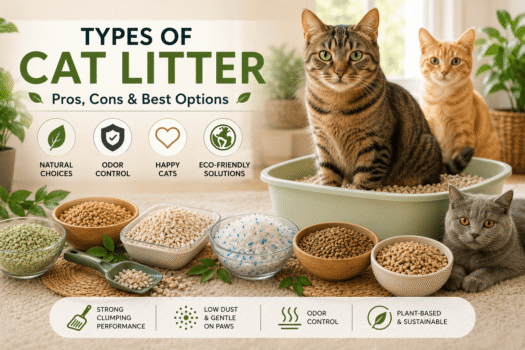
Comparing the types of cat litter pros and cons side by side shows the same tradeoff every time: each material fixes one problem and brings another. Clay clumps beautifully but tracks. Pellets stay in the box but don’t clump. Crystals fight odor, but some cats hate the feel.
This guide compares the seven main types of cat litter, then walks through each one so you can match the material to the problem you’re trying to fix.
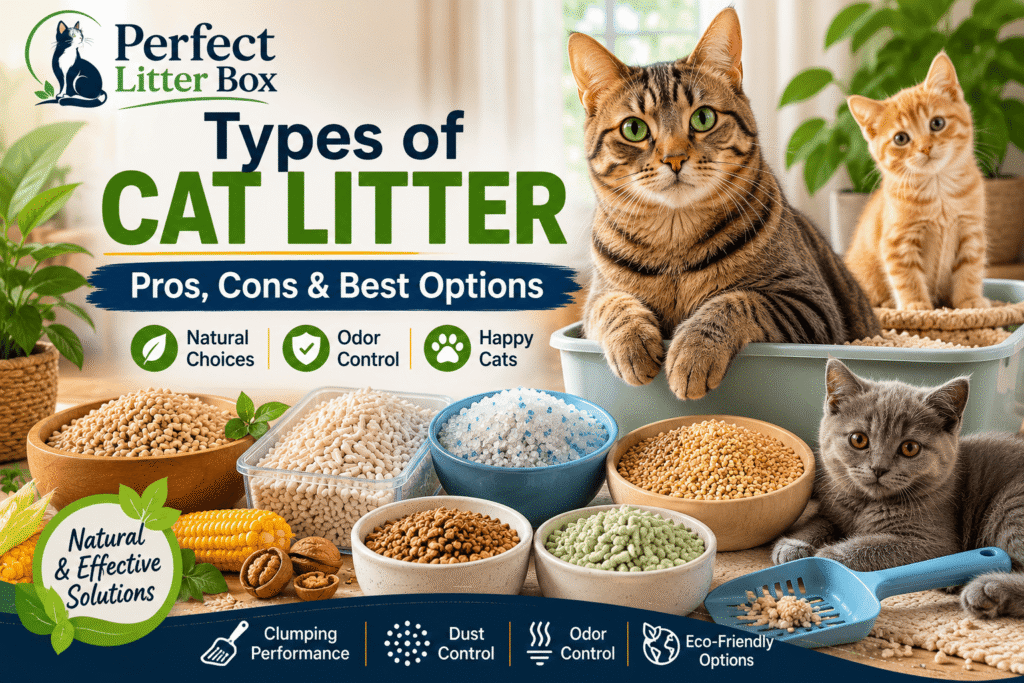
The main types of cat litter are clumping clay, crystal, pine, paper, corn and wheat, walnut and tofu. Clay is the easiest to scoop but tracks and makes dust. Many large wood and paper pellets track less than fine litter, and many are non-clumping. Plant-based clumping litters sit in the middle.
Quick Picks
Best Clumping Clay: Dr. Elsey’s Ultra Unscented
Best Crystal: PetSafe ScoopFree Premium Crystal
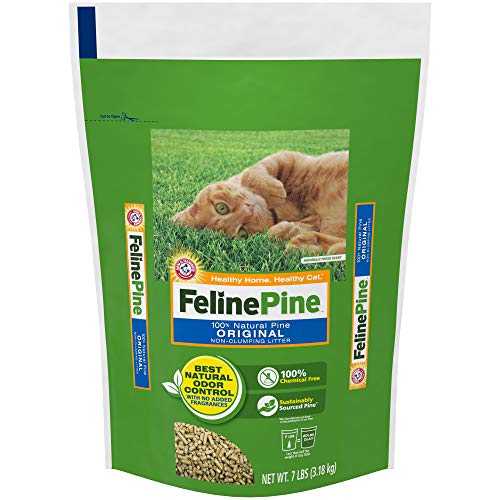
Best for Low Tracking: Feline Pine Original
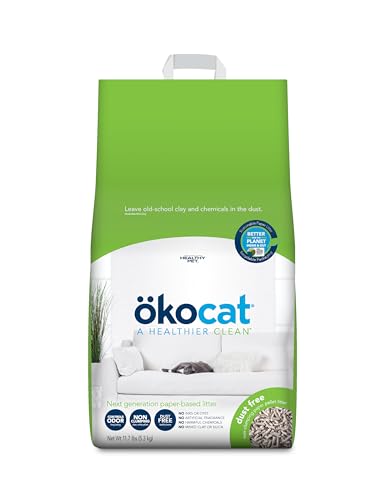
Best Low-Dust Paper Pellet: ökocat Dust Free Paper Pellets
Best Plant-Based Clumping: World’s Best Multiple Cat Unscented
What Type of Litter Do Cats Prefer?
AAHA notes that most adult cats prefer clumping litter and most cats prefer unscented litter, so unscented clumping litter is a practical place to start.
Texture preferences still vary from cat to cat. Some cats switch to pellets or crystals without a second thought, while others avoid the box after a change. If you switch, do it gradually.
Types of Cat Litter Compared
| Litter | Clumps? | Odor Control | Tracking | Dust | Weight |
|---|---|---|---|---|---|
| Clumping clay | Yes | Usually high with daily scooping | Usually high | Usually higher | Heavy |
| Crystal | No | Usually high | Usually low to medium | Usually low | Light |
| Pine pellets | No | Varies | Usually low | Usually low | Light |
| Paper pellets | No | Usually more limited | Usually very low | Usually very low | Light |
| Corn and wheat | Yes | Varies by brand | Varies | Usually low to medium | Light |
| Walnut | Yes | Often high | Usually low to medium | Usually low | Medium |
| Tofu | Yes | Varies | Usually low | Usually low | Light |
Clumping Clay Litter
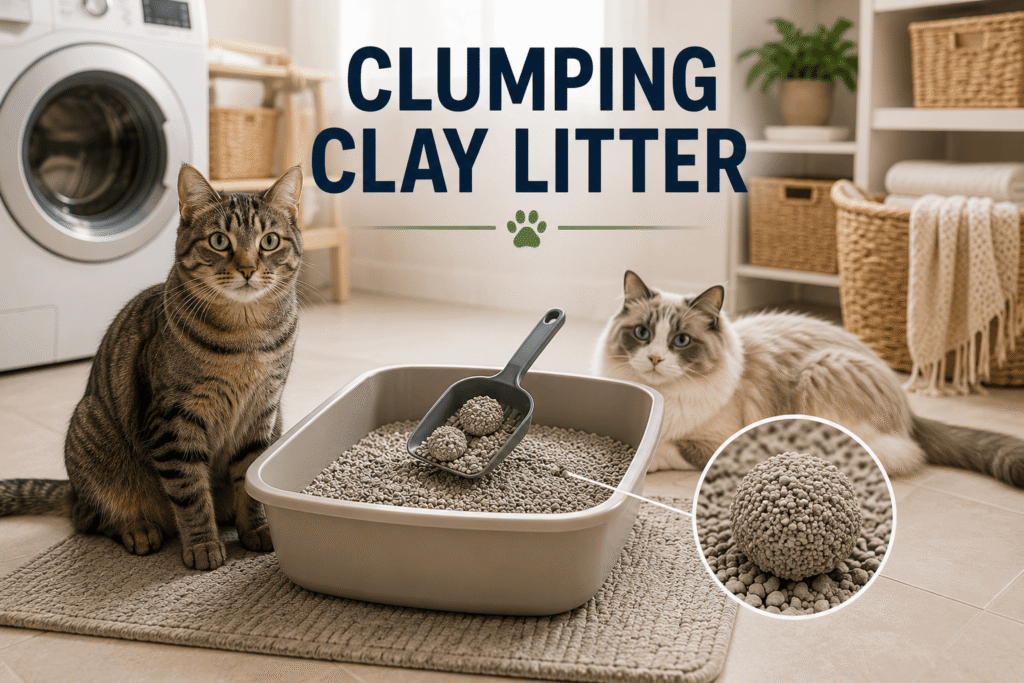
Clumping clay is the standard most people start with. It forms solid clumps when wet, so daily scooping is quick and the rest of the litter stays usable.
What’s good: The clumps are the easiest to scoop of any litter type, and its fine, sand-like texture suits many cats. Daily scooping removes urine clumps, though odor control varies by formula.
What’s not: Fine particles stick to paws and track across floors. Clay also makes dust when you pour or scoop, and the bags are heavy.
Try: Dr. Elsey’s Ultra Unscented forms very hard clumps and is unscented. If litter sticks to your box, Arm & Hammer Slide Platinum is built to slide out instead. Our guide to clay cat litter goes deeper.

Crystal (Silica) Litter
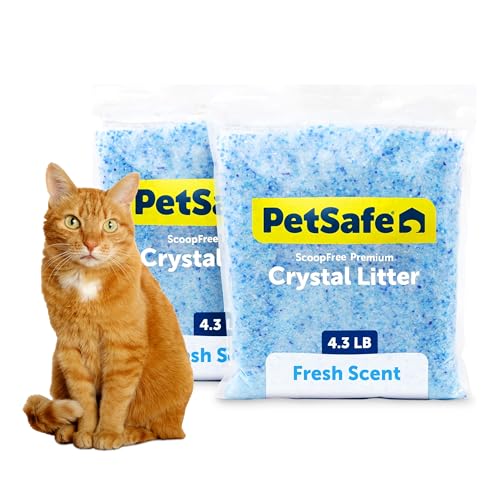
Crystal litter doesn’t clump. The silica crystals absorb urine and dry out solid waste, so you scoop solids, stir the crystals if the directions call for it, and replace the whole box as the bag directs.
What’s good: Odor control is strong, especially in single-cat homes, and crystals make less dust than most clay. It’s also light and tracks less.
What’s not: Urine stays in the box until the full change. The texture feels rough to some cats, and in busy multi-cat boxes, the crystals can hit their limit before the bag is used up.
Try: PetSafe ScoopFree Premium Crystal Litter is made for crystal-based automatic boxes and works in a regular box too. Our crystal cat litter pros and cons guide covers the details.
Pine Pellet Litter
Pine litter comes in compressed wood pellets. Instead of clumping, the pellets break down into sawdust where they get wet.
What’s good: The larger pellets may track less than fine clay because fewer pieces cling to paws. Dust is low, odor control comes from the wood itself, and the bags are light.
What’s not: It doesn’t clump, so the cleaning routine changes. Sawdust builds up at the bottom and needs sifting out, and some cats dislike the pellet feel.
Try: Feline Pine Original has no added fragrance and works well with a sifting pan. Nature’s Logic Pine Pellets is another low-dust, unscented option. Our guide to pine pellets as cat litter walks through the setup.
Paper Pellet Litter
Paper litter is made from recycled paper pressed into soft pellets. It’s the pick when dust has to be as low as possible.
What’s good: Many paper pellets are very low in dust and track little, though this varies by product. The pellets are soft, and they’re made from recycled material.
What’s not: Odor control is usually more limited than with crystal or clumping clay, because the pellets absorb urine rather than sealing it into scoopable clumps. It doesn’t clump, so follow the package directions for full replacement.
Try: ökocat Dust Free Paper Pellets are unscented and very low in dust. Our paper cat litter guide covers when it makes the most sense.
Corn and Wheat Litter
Corn and wheat litters clump like clay but are made from plant materials.
What’s good: Scooping works the same way as clay, but the bags are lighter and there’s usually less dust than basic clay.
What’s not: Tracking can still be noticeable, and odor control varies a lot by brand. If plant-based litter stays damp or develops a musty smell, follow the package directions for replacement.
Try: World’s Best Multiple Cat Unscented is a corn-based clumping litter that reviewers say makes far less dust than clay. sWheat Scoop Multi-Cat is a wheat-based option with strong clumping in busy boxes. Our corn cat litter and wheat cat litter guides go deeper.

Walnut Litter
Walnut litter is made from crushed walnut shells and clumps naturally.
What’s good: Odor control is strong for a plant-based litter, and reviewers compare it favorably with clay. It’s lower in dust and tracks less than fine clay.
What’s not: The dark color makes waste harder to spot. It still tracks some, just less noticeably.
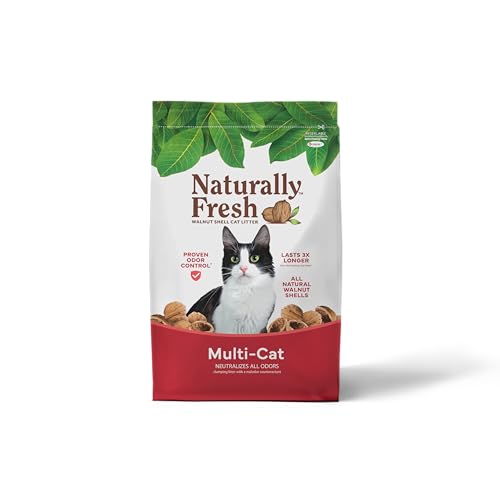
Try: Naturally Fresh Walnut Shell Litter is unscented and made for multi-cat homes. See our walnut cat litter pros and cons for more.
Tofu Litter
Tofu litter is made from plant fibers pressed into small, light pellets that clump when wet.
What’s good: It’s very low in dust, clumps well and tracks less than fine clay. The bags are light and easy to handle.
What’s not: Some cats need time to accept the texture, so switch slowly. If the litter stays damp or develops a musty smell, follow the package directions for replacement.
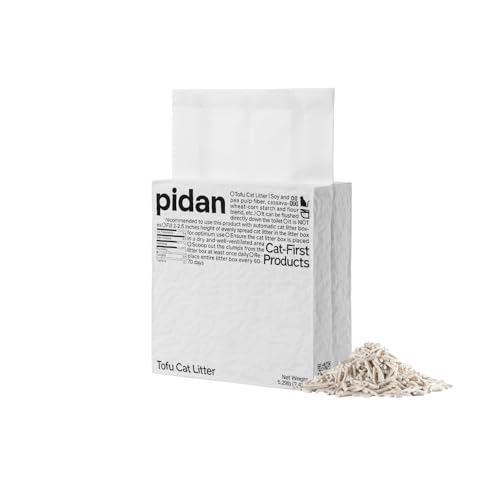
Try: pidan Tofu Cat Litter comes in a light bag with very little dust. Our tofu cat litter guide covers what to expect when switching.
How to Choose Based on Your Problem
If smell is the main problem, choose crystal litter or a quality clumping clay you scoop daily. Our best cat litter for odor control guide goes deeper.
If litter is all over your floor, choose pine or paper pellets, or tofu if you want to keep clumping. Our litter tracking solutions guide covers the setup side too.
If dust bothers you, choose paper, tofu or pine. Even low-dust clay releases some dust when poured. See our dust free cat litter guide for picks.
If your cat is picky, start with unscented clumping clay, since that’s what most adult cats prefer.
If you’d rather not scoop urine clumps, crystal litter may suit you, although solid waste still needs daily removal.
For a deeper look at the biggest split, see clumping vs non-clumping cat litter.
Switching Without Causing Problems
Switching too fast can lead to accidents outside the box, even if the new litter is better. Mix a little new litter into the old one and increase it gradually, letting your cat’s response guide the pace. If your cat hesitates or starts going outside the box, slow down. Our guide on how to transition cat litter walks through it.
Frequently Asked Questions
What type of cat litter controls odor the best?
Crystal litter can provide strong odor control when used as directed, but performance varies by formula and setup. High-quality clumping clay can also control odor very well when urine clumps are removed daily.
Which cat litter tracks the least?
Pine and paper pellets often track less than fine litter, because fewer of the larger pieces cling to paws. Results vary by product and cat. Tofu also tracks less than fine clay.
Is natural cat litter better than clay?
Not automatically. Plant-based litters are usually lighter and lower in dust, but they don’t always control odor or tracking better. The right choice depends on the problem you’re trying to fix.
Which litter type is best for kittens?
AAHA suggests starting kittens with unscented clumping litter, the litter they used before, or both. If your kitten tends to eat litter, ask your vet which type to use. Our guide to the best cat litter for kittens compares the options.