Biodegradable Cat Litter Bags: Do They Actually Work?

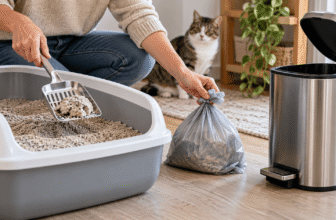
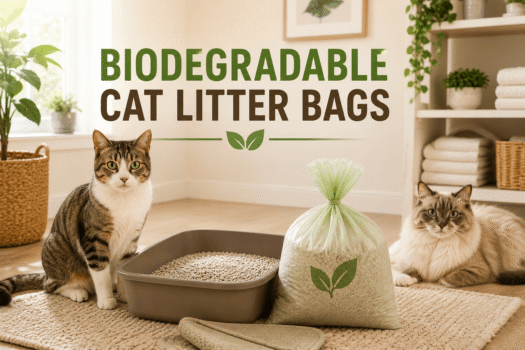
biodegradable cat litter bags next to a litter box with cats in a clean home setup

Disclaimer: This post may contain affiliate links. As an Amazon Associate, we earn from qualifying purchases.

Last updated on July 25, 2026

Biodegradable cat litter bags are usually small waste bags for daily scooping, but they do not always hold up well with heavy or wet litter.

If you have been trying to move away from plastic grocery bags, these seem like the obvious solution. They are marketed as eco-friendly, compostable, and strong enough for cat waste.

Once you start using them, a few issues show up quickly, especially with wet clumps, odor, and durability.

This guide breaks down how biodegradable cat litter bags actually perform, when they work well, and when they do not.

If odor is part of the problem, it is also worth looking at litter box odor solutions since the bag itself does not always fix the smell.

Quick Answer

Biodegradable cat litter bags work well for daily scooping and light waste, but they struggle with heavy clumps, moisture, and long-term odor control.

They are a good replacement for plastic bags if you throw them out quickly, but they are not ideal for storing litter waste over multiple days or handling full litter box cleanouts.

Quick Picks: Best Biodegradable Cat Litter Bags

If you just want a quick recommendation, these are the strongest options based on how you plan to use them:

Tip: if you scoop daily, Panther Armor is the easiest place to start. If you need larger bags for multiple cats, the G.A.S XL option is the safer fit.

Quick Comparison: Biodegradable Cat Litter Bags

Bag Best For Key Advantage
G.A.S Compostable Bags (XL) Full cleanouts and multi-cat homes Thicker material handles heavier loads
Panther Armor Bags Daily scooping Easy to grab and sized for quick cleanup
Pawtria Compostable Rolls Dispenser use and small scoops Compact rolls and easy opening
PAWSHOLIC Handle Bags Easy tying and everyday use Handles make tying faster and cleaner
Ecobewus Compostable Bags (XL) Larger capacity and fewer bag changes Good size for bigger scoops at lower cost

What “Biodegradable Cat Litter Bags” Actually Means

This keyword can get confusing because it does not always mean the same thing.

In most cases, biodegradable cat litter bags are:

  • small bags used to scoop and dispose of litter waste
  • similar to dog poop bags, sometimes on rolls or in boxes
  • made from plant-based materials like cornstarch

They are not usually litter box liners, which are designed to sit inside the box.

If you are looking for liners instead, you will want something built for that purpose, like Jonny Cat Litter Box Liners. These bags are mainly for collecting waste after scooping.

Why People Use Biodegradable Cat Litter Bags


The main reason is simple: plastic bags feel wasteful when you are scooping litter every day.

Using a grocery bag once or twice a day adds up quickly, especially with multiple cats.

Biodegradable bags are meant to solve that by using plant-based materials that break down faster than regular plastic.

They also come with a few practical advantages:

  • pre-sized for litter scoops
  • easy to tie and throw away
  • available scented or unscented
  • compact storage in rolls or dispenser boxes

On paper, they are a simple upgrade. In real use, it depends a lot on how you use them.

Where These Bags Work Well, and Where They Don’t

There isn’t just one way people use these bags, and that’s where the results start to vary.

Daily scooping is where they work best: scoop waste into the bag, tie it, and throw it out right away. Used this way, most bags hold up fine.

Problems start with anything that involves moisture sitting for a while. Collecting waste over a few days in a pail or trash can lets moisture from urine clumps build up, and the bag starts to feel damp or weaken. Full litter box cleanouts hit the same issue from a different angle, used litter (especially clay) is heavy, and many biodegradable bags aren’t built to handle that weight; thinner ones stretch or tear when lifted. Automatic litter boxes that store waste for several days combine both problems at once. And multi-cat households just accelerate all of it, more waste means heavier scoops and faster fill-ups.

infographic explaining biodegradable cat litter bags showing when they work, moisture issues, durability limits, odor control, and how to choose the right bag

Odor control is also limited: plant-based materials tend to be more breathable than heavy plastic, so smell can escape over time even with scented versions. If odor is the main issue, the litter itself and how often you scoop matter more than the bag.

Using them as liners inside the box doesn’t work either, cats scratch and dig, which tears thinner plant-based materials quickly, and moisture speeds up the breakdown further. If you’re trying to solve liner issues specifically, something built for that purpose like litter box liners will hold up much better.

Biodegradable vs Compostable: What Actually Matters

These terms are often used interchangeably, but they do not mean the same thing.

Biodegradable

Biodegradable simply means the material will break down over time.

That process can take a long time and does not always happen cleanly.

In some cases, it can leave behind smaller particles rather than fully breaking down.

Compostable

Compostable materials are designed to break down into natural elements like water and organic matter.

However, this usually requires specific conditions, such as the heat and environment found in industrial composting facilities.

What Happens in Real Use

Most cat litter waste ends up in regular trash, which goes to a landfill.

Landfills do not provide the conditions needed for proper composting.

That means even compostable bags often do not break down the way people expect.

There is another issue too: cat waste is not suitable for standard composting because it can contain harmful bacteria.

So while these bags reduce plastic use, they do not always deliver the full environmental benefit people expect.

What to Look for When Choosing Biodegradable Cat Litter Bags

Not all bags perform the same. A few details make a noticeable difference in everyday use.

Thickness

Thickness is one of the most important factors.

Bags around 18 to 20 microns tend to hold up better with wet litter.

Thinner bags can still work for small daily scoops but may struggle with heavier loads.

Bag Size

Size affects how easy the bag is to use.

Smaller bags fill up quickly and can be harder to tie, especially if you scoop multiple times a day.

Larger bags are more forgiving but can feel bulky.

Handles vs No Handles

Handle-style bags are easier to tie and carry, especially when the material gets slightly damp.

Roll-style bags are more compact but can be harder to manage during use.

Scented vs Unscented

Scented bags can help reduce the initial smell, but they do not eliminate odor completely.

Unscented bags are usually better if you are sensitive to artificial fragrance.

How You Plan to Use Them

The most important factor is how you plan to use the bags.

If you scoop daily and throw waste out right away, most biodegradable bags will work well.

If you want to store waste for several days or handle large cleanouts, you will need thicker, larger options.

Best Biodegradable Cat Litter Bags

These options cover the most common use cases, from daily scooping to heavier cleanups. Each one works a little differently depending on how you use it.

1. Best Overall: G.A.S Compostable Cat Litter Bags (XL)

Compostable cat litter bags


View on Amazon

These are one of the better options if you want a bag that can handle more than just small daily scoops.

The larger size and thicker material make them useful for partial cleanouts or multiple scoops in one bag. They are also easier to tie securely than thinner bags.

They still work best when you throw them out the same day. If left sitting, they can start to feel damp from moisture in the litter.

Best for: larger scoops, partial cleanouts, multi-cat homes

Check Price on Amazon

2. Best for Daily Scooping: Panther Armor Cat Litter Bags

Compostable cat litter bags


View on Amazon

These are designed specifically for scooping, which makes them easy to use for everyday cleaning.

The size fits most litter scoops well, and the dispenser-style box makes them convenient to grab quickly.

They are a good choice if you clean the litter box daily and do not need to hold a large amount of waste at once.

Best for: single-cat or two-cat households, daily use

Check Price on Amazon

3. Best Roll-Style Bags: Pawtria Compostable Bags

Compostable cat litter bags


View on Amazon

If you prefer roll bags, this is a solid option.

They are thicker than many roll-style alternatives and easier to open, which makes a noticeable difference when scooping.

Like most roll bags, they are better suited for smaller amounts of waste rather than full cleanouts.

Best for: compact storage, dispenser use, quick scooping

Check Price on Amazon

4. Best with Handles: PAWSHOLIC Cat Litter Bags

Compostable cat litter bags


View on Amazon

Handle-style bags are easier to tie, especially when the material gets slightly damp.

These are a practical option if you do not want to deal with twisting and tying thinner plastic.

The size works well for one or two cats, but they can feel small if you are scooping multiple boxes at once.

Best for: easy tying, everyday use, smaller loads

Check Price on Amazon

5. Best Value XL Option: Ecobewus Compostable Bags

Compostable cat litter bags


View on Amazon

These bags offer a larger capacity at a reasonable price, making them useful if you want fewer bag changes.

They can handle bigger scoops and more waste than standard poop bags, although the material may feel thinner than expected.

They work best when used carefully and not overloaded.

Best for: larger capacity, value-focused option

Check Price on Amazon

Practical Tips for Using Biodegradable Cat Litter Bags

A couple of small habits matter beyond just picking the right bag: don’t overfill one bag when an extra bag is safer than overloading, and store your supply in a cool, dry place, since heat and humidity can weaken these bags even before you use them. If smell is a recurring problem even with fresh bags, the guide to the best way to clean a litter box covers what actually removes odor from the box itself between full changes.

FAQ

Are biodegradable cat litter bags worth it?

They are worth it if you want to reduce plastic use and scoop daily. They are less effective if you need to store waste for multiple days.

Can you compost cat litter bags?

Even if the bag is compostable, cat waste should not be added to standard compost because of bacteria and parasites.

Do biodegradable bags smell less?

They do not necessarily reduce smell more than regular bags. Some scented versions help a little, but odor control is still limited.

Can these bags replace litter box liners?

No. They are not designed for that and tear easily under scratching and moisture.

What size bag is best?

That depends on your setup. Smaller bags work for daily scooping, while larger bags are better for multiple cats or bigger cleanups.

Related Litter Box Guides

Perfect Litter Box
Logo
DMCA.com Protection Status