Clay Cat Litter Pros and Cons: Is It Worth It?

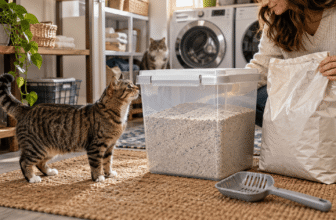
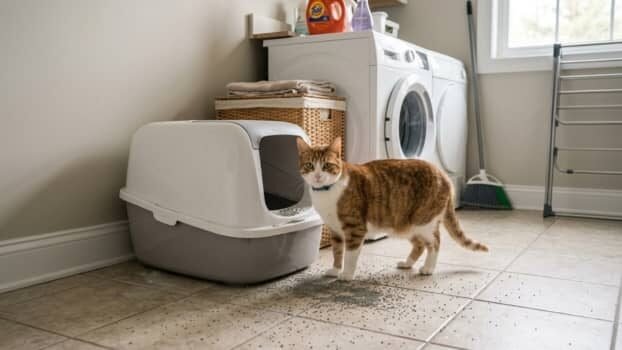
clay cat litter tracking mess around litter box in laundry room

Disclaimer: This post may contain affiliate links. As an Amazon Associate, we earn from qualifying purchases.

Last updated on August 3, 2026

If you have been using clay cat litter for a while, you have probably noticed the pattern. It works well at first, with easy clumping and quick cleanup, but after a few days the smell starts coming back. Dust shows up when you pour it, and litter somehow ends up outside the box no matter how careful you are.

Clay cat litter is popular because it is simple and reliable, but it does come with tradeoffs. Some of the most frustrating litter box issues, like odor buildup, tracking, and dust, often come from the litter itself rather than how often the box is cleaned.

If you are specifically using bentonite clay and want to understand how it behaves after a few weeks of daily use, this guide on bentonite clay cat litter breaks down exactly what changes over time.

Clay cat litter works well for clumping and early odor control, but it can also cause dust, tracking, and lingering smells depending on the formula and how it is used.

This guide walks through the real pros and cons, explains what is actually causing these problems, and helps you decide when clay litter makes sense and when it may be worth switching.

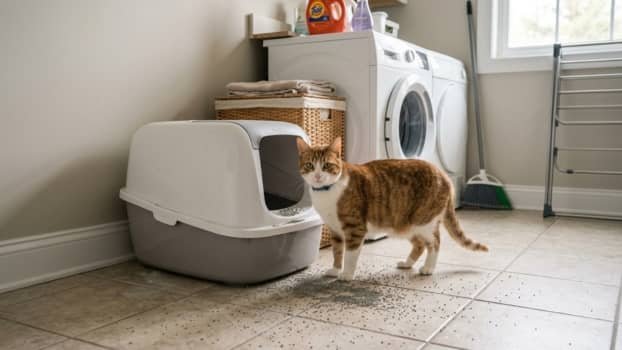
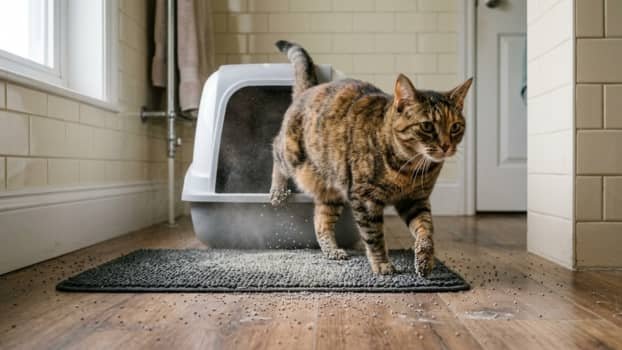
clay cat litter tracking mess around litter box in laundry room

Clay cat litter often tracks outside the box, even in clean, well-maintained spaces.

Quick Answer

Clay cat litter is popular because it clumps well and makes daily scooping simple, but it can also create problems like dust, tracking, and odor buildup over time. It works best when easy maintenance matters most, but not always when low mess and long-term freshness are the priority.

Why This Happens

Clay litter seems straightforward, but most problems show up after a few days of use.

The clumping action works quickly on the surface, but urine does not always stay in one place. Some of it spreads into the lower layers before fully clumping. That leftover moisture becomes a source of bacteria and odor, which is why the box can start smelling even when it still looks clean.

Dust is another side effect of how clay litter is made. The granules break down into fine particles as you pour, scoop, and as your cat digs. That is why you may see a cloud when filling the box or notice a thin layer of dust around the litter area.

Tracking comes down to texture. Clay litter is usually made of small, sand-like grains that cling to paws. Once your cat steps out, those particles get carried across the floor.

These problems are not random. They come from how clay litter is structured and how it behaves day to day.

cat paw covered in clay litter stepping out of litter box onto floor

Fine clay litter sticks to paws and gets carried across the floor.

Pros of Clay Cat Litter

Clay litter is still widely used for a reason. It solves a few key problems really well, especially when it comes to daily cleaning and fast clumping.

Strong Clumping Makes Cleaning Easier

Clumping is the biggest advantage. Solid clumps form quickly and hold together well, which makes it easier to remove waste without dumping the entire box.

This is especially useful if you want a simple daily routine. Scoop, top off, and move on. In multi-cat homes, strong clumping matters even more — this guide to the best clumping cat litter for multiple cats covers which formulas hold up best under constant use.

Good Odor Control at First

Fresh clay litter does a good job of locking in odor. The clumps trap urine before it spreads too far, which keeps the box manageable early on.

That is one reason clay litter is still the default choice in so many homes.

Cats Usually Accept It Quickly

The texture feels close to sand or soil, which most cats naturally prefer. That makes switching to clay litter fairly easy in most cases, especially if a cat has been picky with other litter types.

Easy to Find and Budget Friendly

Clay litter is widely available and usually costs less than many alternatives. It is easy to pick up at almost any store, and there are plenty of options at different price points.

Cons of Clay Cat Litter

The downsides tend to show up after a few days of use. These are the issues that usually push people to start looking for alternatives.

Dust Can Become a Problem

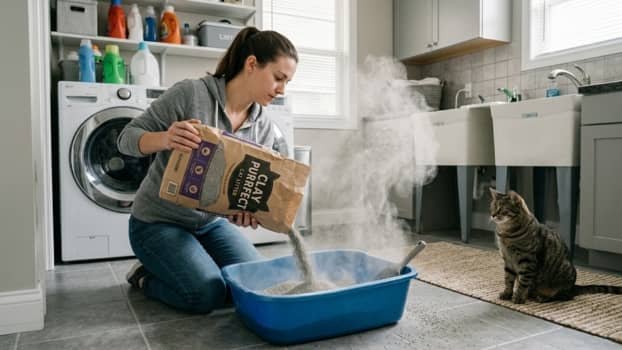
pouring clay cat litter into litter box creating visible dust cloud indoors

Pouring clay litter can release fine dust particles into the air.

Even low-dust formulas still create some fine particles. You may notice it when pouring a new box or when your cat digs.

Over time, that dust settles around the litter area or becomes more noticeable in the air, especially in smaller spaces.

Tracking Gets Everywhere

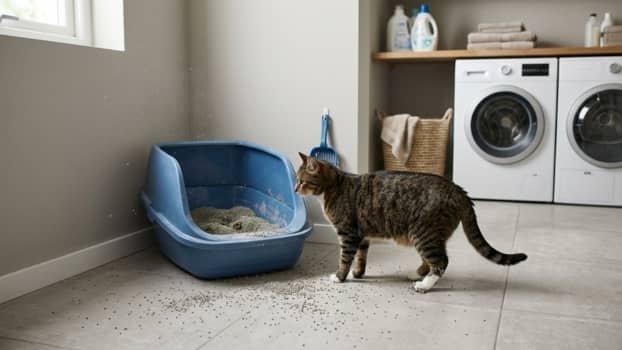
cat tracking clay litter on floor outside litter box in laundry room

Clay litter sticks to paws easily and spreads outside the box.

The small grains cling to paws easily. It does not take much for litter to spread outside the box and into nearby rooms.

If you are constantly sweeping around the litter area, the litter itself is usually part of the problem.

A simple way to control this is by placing a litter mat just outside the box. The textured surface helps catch loose particles as your cat steps out instead of letting them spread across the floor.

A litter mat like the Gorilla Grip Cat Litter Box Mat is designed with deep grooves and a mesh surface that traps litter before it gets tracked farther into the house. It also stays in place and is easy to shake out or vacuum, which makes cleanup much faster.

Gorilla Grip cat litter mat trapping litter from cat paws outside litter box


View on Amazon

If tracking has been a daily frustration, a mat like this can make a noticeable difference without changing your litter or the rest of your setup.

Some of the mess does not come from the litter alone. It also comes from how cats dig and kick inside the box.

A shallow or open litter box makes it easy for litter to spill over the sides, especially if your cat digs or kicks after using it. In some setups, urine can also reach the edges, which adds to odor problems around the box.

Switching to a litter box with higher sides or a partial enclosure helps keep more of that mess contained inside instead of on the floor.

A setup like the WoofiGo enclosed stainless steel litter box combines high walls with a lid and a metal base that does not hold onto odor over time. The taller sides help prevent litter from being kicked out, and the entrance area helps catch some litter before your cat fully steps out.

Because the base is stainless steel, it is also easier to clean and does not absorb smells the way plastic boxes can after repeated use.

enclosed stainless steel cat litter box with high sides reducing litter mess


View on Amazon

Odor Builds Up Over Time

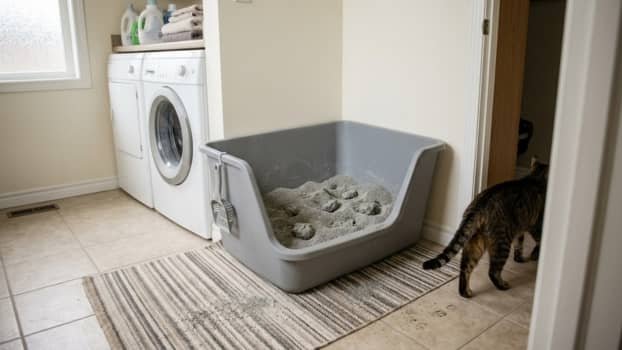
used clay cat litter box with clumps after several days in laundry room

Even after scooping, buildup deeper in the litter can cause odor to return.

Even with daily scooping, smell can come back faster than expected. This usually comes from buildup deeper in the litter that is not fully removed during scooping.

Once that buildup starts, it becomes harder to keep the box smelling fresh without a full clean.

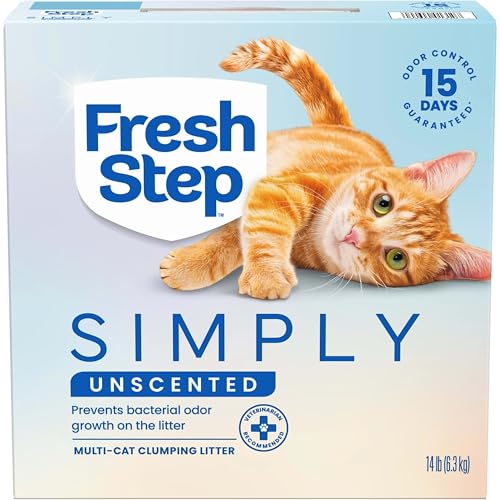
Using a litter that forms firmer clumps can help reduce how much waste gets left behind after scooping. Some higher-quality options are designed to hold together better and include materials that help absorb odor instead of just covering it.

One example is an unscented clumping clay litter with activated charcoal like this one, which helps trap odor while forming tighter clumps that are easier to remove. This can slow odor buildup between cleanings without relying on added fragrance.

Heavy and Harder to Handle

Clay litter is dense. Carrying large bags, refilling the box, and disposing of used litter can feel like a chore, especially with larger boxes or multiple setups.

Not Environmentally Friendly

Clay litter does not break down after use. It ends up in landfills, and the mining process used to produce it has a clear environmental cost.

This is one of the main reasons some people start looking at natural alternatives.

Health and Safety Concerns

Clay litter is generally safe for most adult cats, but a few situations are worth paying attention to.

Dust and Breathing Issues

Dust is not just a cleaning problem. In a smaller space, it can build up in the air around the litter box.

Some cats start sneezing or show mild irritation, especially if they already have sensitive airways. The same can happen for the person cleaning the box regularly.

Low-dust and unscented formulas usually help, but if dust is noticeable every time you scoop or pour, the litter itself is likely part of the problem.

Ingestion Risk for Kittens

Clumping clay can be risky for young kittens.

If swallowed, the litter absorbs moisture and expands. In small amounts it may pass through, but larger amounts can form dense clumps in the digestive system.

This is why non-clumping litter is often recommended during the early months.

Scented Litter Can Make Things Worse

Scented clay litter is meant to cover odor, but it often creates a stronger mixed smell once it combines with waste.

Some cats also avoid heavily scented boxes, which can lead to accidents outside the litter box.

Unscented options tend to be more reliable when real odor control is the goal. For a full breakdown of which litters handle odor best in real conditions, this guide to the best cat litter for odor control covers the options that consistently perform well.

Features That Improve Clay Litter Performance

Not all clay litter works the same. A few details can make a noticeable difference in how clean the box feels and how much mess builds up around it.

Low Dust Formulas

Better-quality clay litter is processed to remove more fine particles. This reduces the amount of dust released during pouring and scooping, which makes the area around the box easier to manage.

It will not be completely dust-free, but the difference is noticeable, especially in smaller spaces where dust tends to linger.

One example is a low-dust clumping clay litter like Dr. Elsey’s Ultra Unscented. It is designed to reduce airborne particles while still forming firm clumps, which makes daily cleaning more manageable without adding extra mess.

Dr Elsey Ultra unscented low dust clumping clay cat litter


View on Amazon

Granule Size and Shape

Larger or slightly heavier granules tend to track less. Very fine, sand-like litter spreads more easily around the house.

If tracking has been a constant issue, switching to a slightly coarser formula can help.

Unscented Formulas

Unscented litter avoids the problem of mixed smells and is usually better tolerated by cats.

Odor control works better when waste is removed regularly rather than trying to cover it with fragrance.

Stronger Clumping Quality

Some lower-quality litters form soft clumps that break apart during scooping. That leaves small pieces behind, which adds to odor buildup over time.

A litter that forms firm clumps reduces that leftover residue.

Practical Solutions to Common Problems

If you want to keep using clay litter, a few adjustments can make a big difference.

Reduce Odor Buildup

  • Scoop at least once a day
  • Add fresh litter regularly instead of waiting too long
  • Fully empty and clean the box on a consistent schedule

If smell keeps coming back quickly, the issue is usually buildup in the lower layers, not just surface waste.

You can also explore more detailed litter box odor solutions if this has been an ongoing problem.

Cut Down on Dust

  • Pour litter slowly to avoid kicking up particles
  • Choose low-dust or premium formulas
  • Keep the litter box in a well-ventilated area

If you can see dust in the air while pouring, switching formulas usually helps more than changing your routine.

Control Tracking

  • Use a litter mat outside the box
  • Try a box with higher sides or a top-entry design
  • Consider a slightly heavier or coarser litter

Tracking is usually a combination of litter type and setup, not just the cat.

Prevent Sticking and Sludge

  • Keep a consistent depth of litter
  • Do not let the box sit too long without a full clean
  • Scrape gently along the bottom when scooping

Sticking usually happens when moisture reaches the base of the box and hardens over time.

Related Alternatives to Clay Cat Litter

If the downsides of clay litter are starting to feel familiar, there are a few alternatives worth considering. Each one solves a different problem.

Natural Cat Litter

Natural litter is made from materials like corn, wood, wheat, or paper.

These options usually create less dust and are biodegradable, which makes them easier to manage from an environmental standpoint. Many also track less, depending on the texture.

The tradeoff is that odor control can feel different. Some natural litters rely more on absorption than tight clumping, so the experience is not exactly the same as clay.

If you are thinking about switching, it helps to look at a full breakdown of natural cat litter pros and cons to see how they compare in daily use. Some options, like plant-based clumping litter made from corn, offer a similar scooping experience while producing less dust and avoiding clay altogether. Walnut-based litter is another strong option — our walnut cat litter guide explains how it compares to clay on odor and dust.

A product like World’s Best Cat Litter (Multiple Cat Unscented) is a good example. It uses compressed corn to form quick clumps while helping trap odor without added fragrance, which makes it easier to switch from clay without completely changing your routine. See our full World’s Best Cat Litter review for a breakdown of every formula.

Worlds Best Cat Litter natural corn clumping cat litter unscented bag


View on Amazon

Crystal Cat Litter

Crystal litter uses silica gel to absorb moisture.

Instead of forming clumps, it pulls liquid into the crystals and releases that moisture over time. That can reduce how often you need to replace the entire box.

It usually creates very little dust and less tracking than clay, but the texture is different. Some cats adjust slowly, and some do not like it at all.

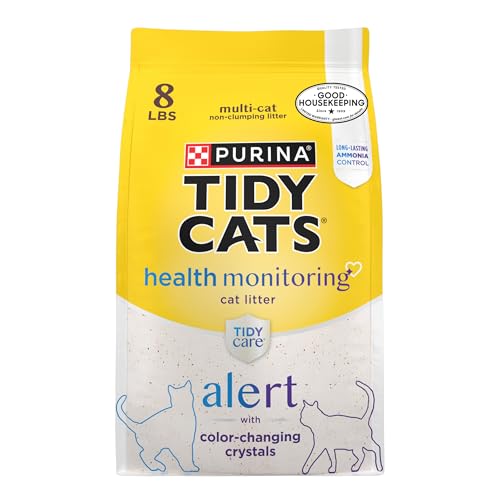
If you want to try it, some options add features beyond basic odor control. Purina Tidy Cats Tidy Care Alert crystal litter uses silica crystals to absorb moisture and includes color indicators that can help flag changes in your cat’s urine.

This type of litter can be easier to maintain since there are no urine clumps to scoop, but it still needs stirring and full replacement on a regular schedule to keep working well.

Purina Tidy Cats crystal cat litter silica gel health monitoring litter


View on Amazon

Pellet Based Litter

Pellet litter is usually made from wood or paper and comes in larger pieces.

Because the pieces are bigger, it tracks much less and does not spread as easily outside the box. Dust is also minimal compared with clay, which makes it a good option if you want the litter area to stay cleaner.

The downside is that it does not clump the same way. Instead of forming solid clumps, the pellets break down into sawdust when they absorb moisture. Cleaning usually means removing solid waste and replacing the broken-down material more often.

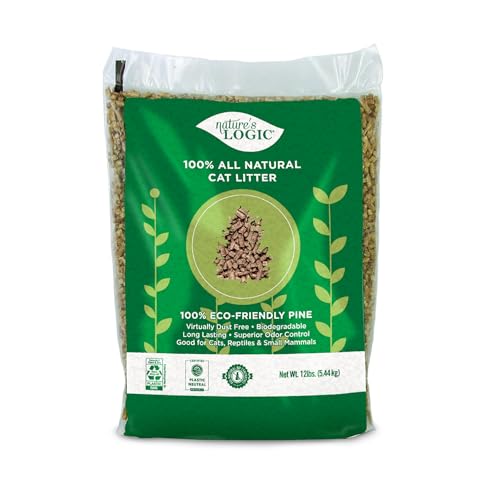
If reducing tracking and dust is your main goal, options like natural pine pellet cat litter like this one are worth considering. Compressed pine pellets can absorb moisture well while keeping mess more contained, but they do require a different cleaning routine than traditional clumping litter.

FAQ

Is clay cat litter safe for cats?

Clay cat litter is generally safe for healthy adult cats. The main concerns are dust in small spaces and breathing sensitivity. Kittens are at higher risk if they ingest clumping litter.

Why does clay litter smell even after scooping?

Odor usually comes from moisture and bacteria left behind in the lower layers. Even when clumps are removed, small amounts of waste can stay behind and start to break down.

How often should you change clay cat litter completely?

Scooping should happen daily, but the whole box still needs to be emptied and cleaned regularly. The exact timing depends on how heavily the box is used, but waiting too long is what leads to odor buildup.

Is clumping or non-clumping clay litter better?

Clumping litter is easier to maintain because waste can be removed daily. Non-clumping litter absorbs moisture, but it usually needs more frequent full changes.

Does clay litter cause more tracking than other types?

Yes, clay litter usually tracks more because of its fine texture. Larger or heavier litter types tend to stay closer to the box.

Related Litter Box Guides

Perfect Litter Box
Logo
DMCA.com Protection Status