Disclaimer: This post may contain affiliate links. As an Amazon Associate, we earn from qualifying purchases.
Last updated on June 26, 2026
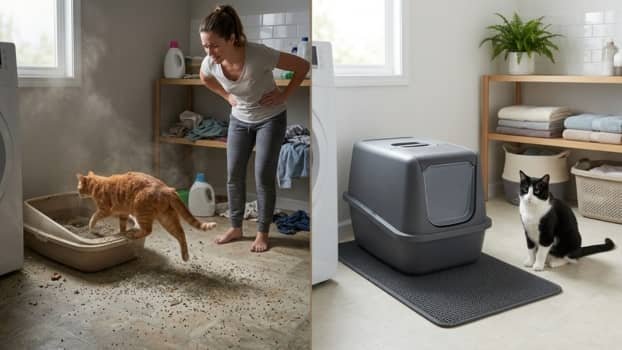
The best low dust cat litter is not completely dust-free, but the right formula can noticeably reduce airborne dust and keep the area around the box cleaner.If you have ever poured fresh litter and watched a cloud rise up, you already know the problem. Dust settles on nearby surfaces, sticks to paws, and spreads farther than it should. Even scooping can kick up fine particles, especially once the litter has been used for a while.
The hard part is that almost every brand claims to be “99% dust free,” and that does not always match real use. Some litters start out clean and get dusty over time. Others reduce airborne dust but create more tracking instead.
This guide focuses on what actually works in a real litter box setup. You’ll see how different litter types behave, which ones stay lower dust longer, and what tradeoffs to expect so you can keep both the air and the floor noticeably cleaner.
Quick Answer: Best Low Dust Cat Litter
Low dust cat litter reduces airborne particles during pouring and scooping, but no litter is completely dust-free. The best low dust options are usually high-quality clumping clay, tofu or other plant-based litters, and pellet-style litters like wood or paper.
Clay litter can be low dust if it uses heavier, more stable granules, but cheaper formulas often break down and get dustier over time. Tofu and other plant-based litters usually create less airborne dust, though clumping strength and tracking can vary.
Pellet litters create almost no airborne dust, but they do not clump, which changes how you clean the box and how odor is managed.
For most setups, the best low dust cat litter is the one that balances low airborne dust, solid clumping, and manageable tracking instead of focusing on only one feature.

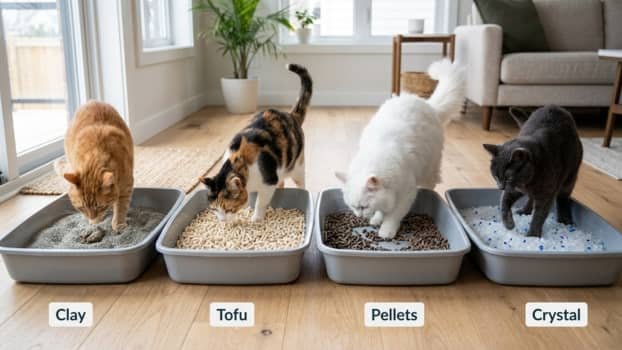
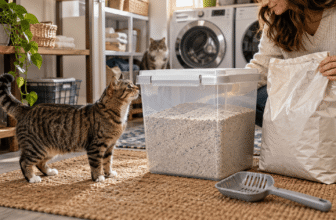
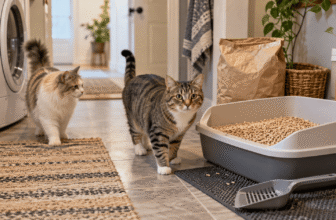
A side-by-side look at common cat litter types and how they differ in texture and use.
Quick Comparison of the Best Low Dust Cat Litter
| Litter | Type | Dust Level | Clumping | Best For |
|---|---|---|---|---|
| Arm & Hammer Cloud Control | Clay | Low | Strong | Balanced performance + odor control |
| Dr. Elsey’s Ultra | Clay | Low | Very strong | Long-term stability, less dust buildup |
| pidan Tofu Litter | Tofu | Very low | Good | Low dust alternative to clay |
| Feline Pine Pellets | Pellets | Minimal | Non-clumping | Lowest possible dust |
| PrettyLitter | Crystal | Minimal | Non-clumping | Lightweight + low airborne dust |
| Sustainably Yours | Plant-based | Very low | Very strong | Strong clumping without clay dust |
| Tuft & Paw | Tofu | Very low | Good | Low tracking + cleaner floors |
| Boxie Glo | Clay | Low | Strong | Premium clay with reduced dust |

Why Cat Litter Gets Dusty

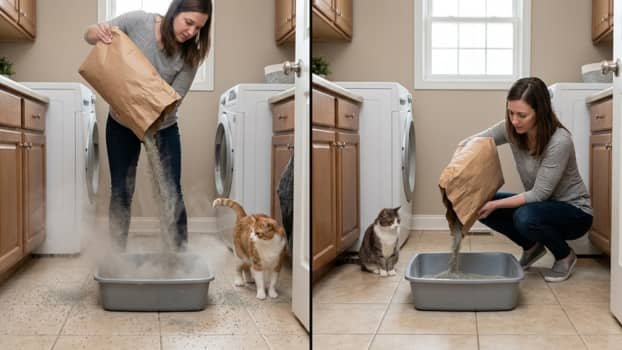
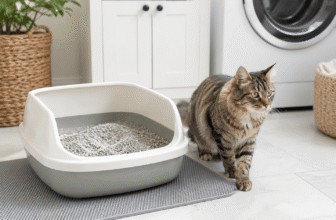
Pouring litter from a lower height helps reduce dust clouds and keeps the area cleaner.
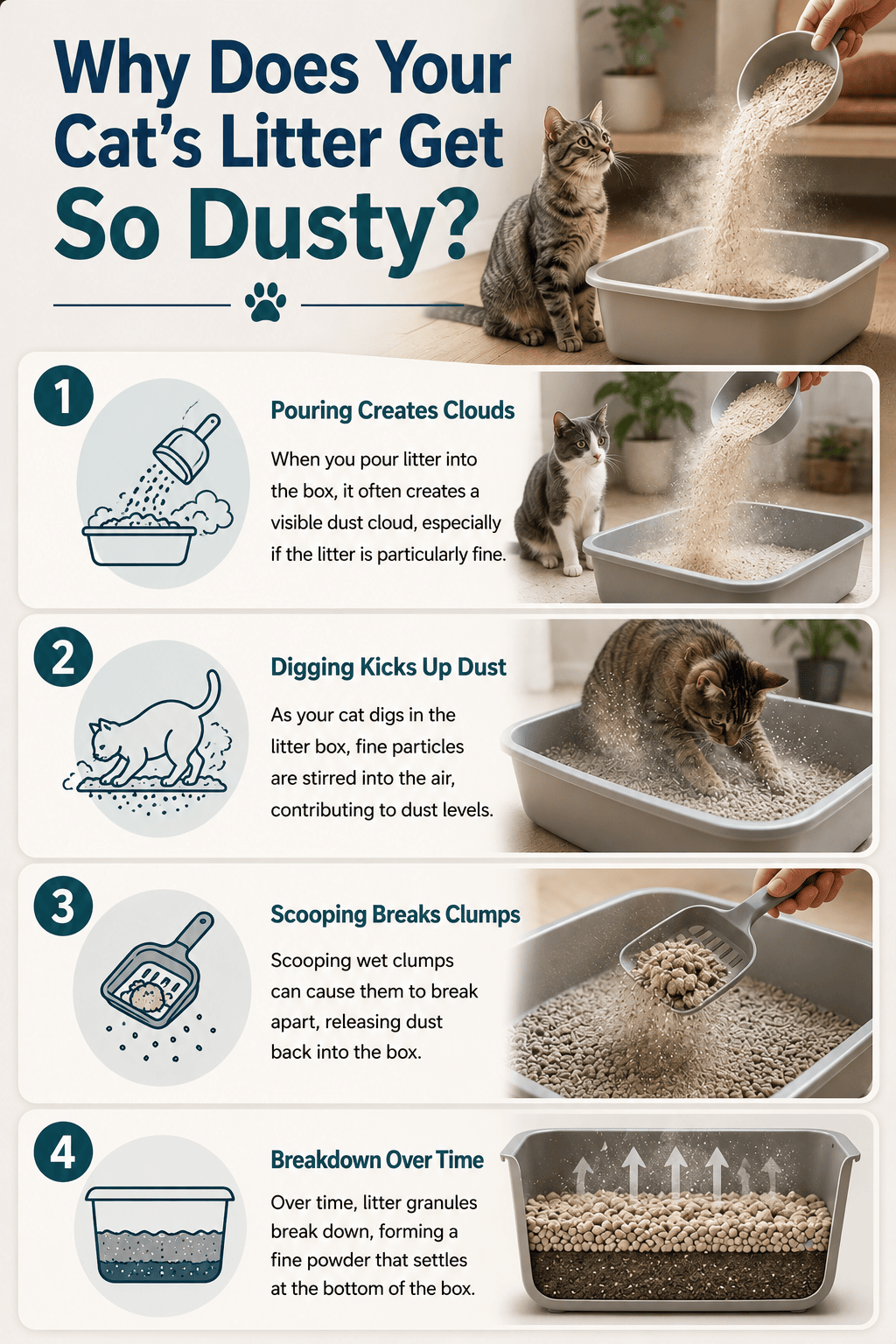
Cat litter dust usually comes from fine particles that break off from the main granules. These tiny pieces become airborne when you pour, scoop, or when your cat digs.
A lot of that dust is already in the bag before you even open it. During shipping and handling, litter gets shaken around and small fragments settle toward the bottom. That is why the first few uses can seem cleaner than the lower half of the bag.
Clumping also matters. When clumps form and then break apart during scooping, they create smaller particles that mix back into the clean litter. Over time, that buildup makes the box dustier every time it is used.
The material itself makes a difference too. Softer or lighter litter tends to break down faster, while heavier or more compact granules are less likely to turn into dust.
That is why even a litter labeled low dust can still get dusty after a week or two if it breaks down easily or is not maintained well.
Types of Low Dust Cat Litter (What Actually Makes a Difference)
Different types of litter behave very differently when it comes to dust. Some reduce airborne particles right away, while others stay cleaner over time but come with tradeoffs.

Clay Litter (Low Dust Versions Exist, But Quality Matters)
Clay litter is still one of the most common choices, and some formulas are genuinely low dust. These usually use heavier granules that settle quickly instead of floating into the air.
The problem is long-term consistency. A good clay litter can start off clean, but if it breaks down easily, it gets dustier with regular scooping. That becomes more noticeable toward the end of the bag.
Clay is still one of the best options if you want strong clumping and a familiar texture, but it needs to be a higher-quality formula to actually stay low dust.
Plant-Based Litter (Tofu, Corn, Grass)
Plant-based litters usually create less airborne dust because they use compressed fibers or larger particles. Tofu litter especially tends to stay cleaner during pouring and scooping.
These litters can also clump well, which helps reduce litter breakdown over time. The tradeoff is that some track more, and some cats need time to adjust to the texture.
They are a strong choice if dust is the main issue but you still want a clumping litter.
Wood and Paper Pellets (Almost No Dust)
Pellet litters are one of the lowest-dust options available. Because of their size and shape, they do not create the same fine airborne particles as clay.
The tradeoff is that they do not clump. Instead, they absorb moisture and break down differently, which changes the cleaning routine. Odor control can also be less predictable, especially for solid waste.
These work best if dust is your top priority and you are willing to change how you manage the box.
Crystal Litter (Low Dust, Different Feel)
Crystal litter is made from silica gel and usually produces very little dust compared to clay. The particles are larger and do not break apart as easily during normal use.
Instead of clumping, crystals absorb moisture and need to be stirred regularly. Some cats do not like the texture, which can end up being the deciding factor.
This type works well for reducing airborne dust, but it feels very different from standard litter.
Best Low Dust Cat Litter (Real Picks That Actually Reduce Dust)
Finding the best low dust cat litter comes down to how it performs in daily use, not just what the label says. Some litters look clean at first but get dusty after a week of scooping. Others reduce airborne particles well but come with tradeoffs like tracking or a different cleaning routine.
The picks below are based on how they actually behave day to day. That includes how much dust shows up while pouring, how well they hold up over time, and how practical they are in a real litter box setup.
Each one solves a slightly different version of the same problem, so the best choice depends on what matters most in your space.
Arm & Hammer Cloud Control Platinum (Best Overall Low Dust Cat Litter)
Arm & Hammer Cloud Control is one of the few clay litters that noticeably reduces airborne dust. When you pour it into the box, there is little to no visible cloud, which is exactly what this article is trying to solve.
In daily use, it stays cleaner than most standard clay litters. Scooping does not kick up much dust, and the litter holds together well enough that it does not immediately break down into fine particles.
The clumping is solid and predictable. Firm clumps are easier to remove cleanly, which helps keep the remaining litter in better shape and slows down dust buildup over time.
It is not perfect. The texture is still fine enough to track, especially if your cat kicks litter out of the box. The scent can also feel strong if you prefer an unscented setup.
Still, this is one of the most reliable choices if you want a low dust cat litter that still behaves like traditional clay.
Why It Stands Out
- noticeably less dust when pouring and scooping
- consistent clumping that does not fall apart easily
- widely available and easy to use
Possible Downsides
- can track more than expected
- scented version may feel too strong
- still clay, so some dust can build up over time
Best For
If you want a low dust cat litter that feels like traditional clay but performs better during daily use, this is one of the safest picks.
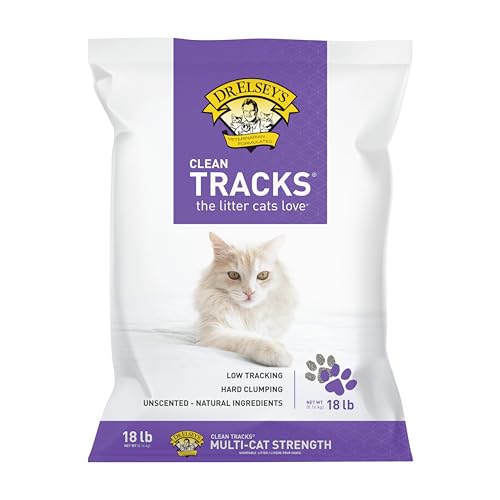
Dr. Elsey’s Ultra Unscented (Best for Long-Term Low Dust)
Dr. Elsey’s Ultra solves a slightly different version of the dust problem. It may not look perfectly dust-free when you first pour it, but it stays more stable over time, which matters after a week or two of daily use.
The granules are heavier than most clay litters, so they do not lift into the air as easily during scooping. More importantly, the clumps hold together well, which helps prevent the box from turning powdery as quickly as lighter formulas.
That makes it a strong option if your main issue is litter getting dustier over time rather than only the initial cloud during pouring.
Why It Stands Out
- heavier granules reduce airborne dust during scooping
- strong clumps that do not crumble easily
- stays more consistent over time instead of breaking down quickly
- unscented formula works well for sensitive setups
Possible Downsides
- not completely dust-free when first pouring
- heavier to carry and handle
- clump breakage can still create some fine particles
Best For
If your litter starts out fine but gets dusty after a week of use, this is a better fit than lighter clay formulas.
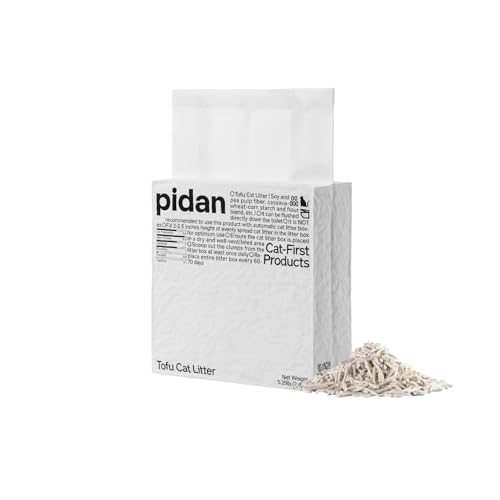
Pidan Tofu Cat Litter (Best Plant-Based Low Dust Cat Litter)
Pidan tofu litter is a clear upgrade if you want less dust without sticking with clay. The pellets are larger and more compact, so they do not break into fine airborne particles the way clay often does.
In daily use, it stays noticeably cleaner. There is very little airborne dust while filling the box, and it does not gradually turn powdery after repeated scooping.
It also clumps well for a plant-based litter. The clumps form quickly and hold together, which helps keep waste from mixing back into the rest of the litter.
The main difference is texture. The pellet feel is not the same as clay, and some cats need time to adjust.
Why It Stands Out
- very little dust when pouring or scooping
- pellets do not break down into fine particles easily
- solid clumping for a plant-based litter
- cleaner overall litter box environment
Possible Downsides
- more expensive than standard clay
- slight natural odor if not scooped regularly
- some cats need time to adjust to the texture
- may not work well in all automatic boxes
Best For
If you want to move away from clay and reduce dust in the air and around the box, this is one of the more reliable plant-based options.
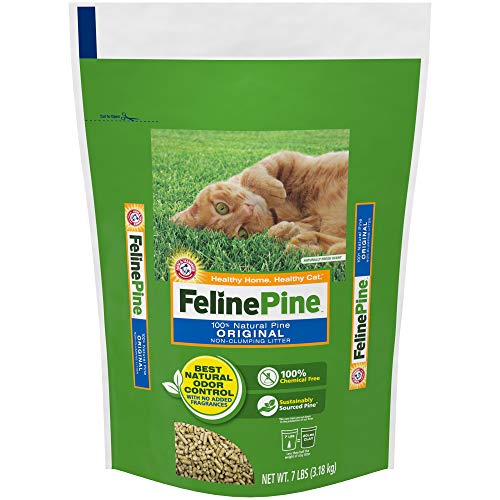
Feline Pine Original Pellets (Lowest Dust Cat Litter)
Feline Pine pellets are one of the simplest ways to cut litter dust almost completely. Because the pellets are large and solid, they do not create the fine particles that float into the air when you pour or scoop.
In everyday use, there is no visible dust cloud and no gradual buildup of powder in the box. That makes a real difference if you are sensitive to dust or tired of wiping residue off nearby surfaces.
The tradeoff is that it works very differently from clumping litter. Instead of forming clumps, the pellets absorb moisture and break down into sawdust over time.
It is much cleaner in terms of air quality, but it requires a different routine.
Why It Stands Out
- almost no airborne dust when pouring or scooping
- no fine particles building up over time
- simple natural material with no added fragrance
- works well if dust is the main concern
Possible Downsides
- does not clump, so cleaning is different
- pellets break down into sawdust and need to be managed
- some cats need time to adjust
- can feel less convenient than traditional litter
Best For
If your main goal is to eliminate litter dust as much as possible, this is one of the closest options.
PrettyLitter Crystal Cat Litter (Best Low Dust Crystal Cat Litter)
PrettyLitter works differently from most litters, but one of its biggest advantages is how little dust it creates during normal use. The crystals are lightweight but do not break down into fine particles the way clay does.
When pouring, you may still notice a small amount of dust if you move too quickly, but during everyday scooping, it stays relatively clean. There is also no gradual powder buildup in the box.
Instead of clumping, the crystals absorb moisture. You remove solid waste normally, but urine is managed by stirring the litter so the crystals can keep absorbing.
It is a different system, but it performs well if reducing airborne particles is the main goal.
Why It Stands Out
- very low dust during regular scooping
- does not break down into fine particles over time
- lightweight and easy to handle
- absorbs moisture instead of forming clumps
Possible Downsides
- does not clump, which changes the cleaning routine
- requires daily stirring to manage moisture
- can be more expensive over time
- may need more frequent changes in multi-cat setups
Best For
If you want a low dust option that stays clean over time and do not mind a different maintenance routine, this is a solid alternative to clumping litter.
Sustainably Yours Large Grain Litter (Best Low Dust Clumping Alternative)
Sustainably Yours is one of the few litters that combines very strong clumping with very low dust. The larger granules help reduce fine airborne particles, so you do not see much dust when pouring or scooping.
In daily use, it stays clean differently than clay. The clumps form quickly and hold together extremely well, which keeps waste from mixing back into the rest of the litter. That helps reduce the loose debris that usually turns into dust over time.
The large grain version also helps if tracking is part of the problem. Bigger pieces are less likely to stick to paws than finer litters, though some tracking can still happen depending on your setup.
It feels closer to a traditional clumping litter than pellets or crystals, but without the same clay dust buildup.
Quick Answer: Best Low Dust Cat Litter
Low dust cat litter reduces airborne particles during pouring and scooping, but no litter is completely dust-free. The best low dust options are usually high-quality clumping clay, tofu or other plant-based litters, and pellet-style litters like wood or paper.
Clay litter can be low dust if it uses heavier, more stable granules, but cheaper formulas often break down and get dustier over time. Tofu and other plant-based litters usually create less airborne dust, though clumping strength and tracking can vary.
Pellet litters create almost no airborne dust, but they do not clump, which changes how you clean the box and how odor is managed.
For most setups, the best low dust cat litter is the one that balances low airborne dust, solid clumping, and manageable tracking instead of focusing on only one feature.

A side-by-side look at common cat litter types and how they differ in texture and use.
Quick Comparison of the Best Low Dust Cat Litter
| Litter | Type | Dust Level | Clumping | Best For |
|---|---|---|---|---|
| Arm & Hammer Cloud Control | Clay | Low | Strong | Balanced performance + odor control |
| Dr. Elsey’s Ultra | Clay | Low | Very strong | Long-term stability, less dust buildup |
| pidan Tofu Litter | Tofu | Very low | Good | Low dust alternative to clay |
| Feline Pine Pellets | Pellets | Minimal | Non-clumping | Lowest possible dust |
| PrettyLitter | Crystal | Minimal | Non-clumping | Lightweight + low airborne dust |
| Sustainably Yours | Plant-based | Very low | Very strong | Strong clumping without clay dust |
| Tuft & Paw | Tofu | Very low | Good | Low tracking + cleaner floors |
| Boxie Glo | Clay | Low | Strong | Premium clay with reduced dust |

Why Cat Litter Gets Dusty

Pouring litter from a lower height helps reduce dust clouds and keeps the area cleaner.
Cat litter dust usually comes from fine particles that break off from the main granules. These tiny pieces become airborne when you pour, scoop, or when your cat digs.
A lot of that dust is already in the bag before you even open it. During shipping and handling, litter gets shaken around and small fragments settle toward the bottom. That is why the first few uses can seem cleaner than the lower half of the bag.
Clumping also matters. When clumps form and then break apart during scooping, they create smaller particles that mix back into the clean litter. Over time, that buildup makes the box dustier every time it is used.
The material itself makes a difference too. Softer or lighter litter tends to break down faster, while heavier or more compact granules are less likely to turn into dust.
That is why even a litter labeled low dust can still get dusty after a week or two if it breaks down easily or is not maintained well.
Types of Low Dust Cat Litter (What Actually Makes a Difference)
Different types of litter behave very differently when it comes to dust. Some reduce airborne particles right away, while others stay cleaner over time but come with tradeoffs.

Clay Litter (Low Dust Versions Exist, But Quality Matters)
Clay litter is still one of the most common choices, and some formulas are genuinely low dust. These usually use heavier granules that settle quickly instead of floating into the air.
The problem is long-term consistency. A good clay litter can start off clean, but if it breaks down easily, it gets dustier with regular scooping. That becomes more noticeable toward the end of the bag.
Clay is still one of the best options if you want strong clumping and a familiar texture, but it needs to be a higher-quality formula to actually stay low dust.
Plant-Based Litter (Tofu, Corn, Grass)
Plant-based litters usually create less airborne dust because they use compressed fibers or larger particles. Tofu litter especially tends to stay cleaner during pouring and scooping.
These litters can also clump well, which helps reduce litter breakdown over time. The tradeoff is that some track more, and some cats need time to adjust to the texture.
They are a strong choice if dust is the main issue but you still want a clumping litter.
Wood and Paper Pellets (Almost No Dust)
Pellet litters are one of the lowest-dust options available. Because of their size and shape, they do not create the same fine airborne particles as clay.
The tradeoff is that they do not clump. Instead, they absorb moisture and break down differently, which changes the cleaning routine. Odor control can also be less predictable, especially for solid waste.
These work best if dust is your top priority and you are willing to change how you manage the box.
Crystal Litter (Low Dust, Different Feel)
Crystal litter is made from silica gel and usually produces very little dust compared to clay. The particles are larger and do not break apart as easily during normal use.
Instead of clumping, crystals absorb moisture and need to be stirred regularly. Some cats do not like the texture, which can end up being the deciding factor.
This type works well for reducing airborne dust, but it feels very different from standard litter.
Best Low Dust Cat Litter (Real Picks That Actually Reduce Dust)
Finding the best low dust cat litter comes down to how it performs in daily use, not just what the label says. Some litters look clean at first but get dusty after a week of scooping. Others reduce airborne particles well but come with tradeoffs like tracking or a different cleaning routine.
The picks below are based on how they actually behave day to day. That includes how much dust shows up while pouring, how well they hold up over time, and how practical they are in a real litter box setup.
Each one solves a slightly different version of the same problem, so the best choice depends on what matters most in your space.
Arm & Hammer Cloud Control Platinum (Best Overall Low Dust Cat Litter)
Arm & Hammer Cloud Control is one of the few clay litters that noticeably reduces airborne dust. When you pour it into the box, there is little to no visible cloud, which is exactly what this article is trying to solve.
In daily use, it stays cleaner than most standard clay litters. Scooping does not kick up much dust, and the litter holds together well enough that it does not immediately break down into fine particles.
The clumping is solid and predictable. Firm clumps are easier to remove cleanly, which helps keep the remaining litter in better shape and slows down dust buildup over time.
It is not perfect. The texture is still fine enough to track, especially if your cat kicks litter out of the box. The scent can also feel strong if you prefer an unscented setup.
Still, this is one of the most reliable choices if you want a low dust cat litter that still behaves like traditional clay.
Why It Stands Out
- noticeably less dust when pouring and scooping
- consistent clumping that does not fall apart easily
- widely available and easy to use
Possible Downsides
- can track more than expected
- scented version may feel too strong
- still clay, so some dust can build up over time
Best For
If you want a low dust cat litter that feels like traditional clay but performs better during daily use, this is one of the safest picks.
Dr. Elsey’s Ultra Unscented (Best for Long-Term Low Dust)
Dr. Elsey’s Ultra solves a slightly different version of the dust problem. It may not look perfectly dust-free when you first pour it, but it stays more stable over time, which matters after a week or two of daily use.
The granules are heavier than most clay litters, so they do not lift into the air as easily during scooping. More importantly, the clumps hold together well, which helps prevent the box from turning powdery as quickly as lighter formulas.
That makes it a strong option if your main issue is litter getting dustier over time rather than only the initial cloud during pouring.
Why It Stands Out
- heavier granules reduce airborne dust during scooping
- strong clumps that do not crumble easily
- stays more consistent over time instead of breaking down quickly
- unscented formula works well for sensitive setups
Possible Downsides
- not completely dust-free when first pouring
- heavier to carry and handle
- clump breakage can still create some fine particles
Best For
If your litter starts out fine but gets dusty after a week of use, this is a better fit than lighter clay formulas.
Pidan Tofu Cat Litter (Best Plant-Based Low Dust Cat Litter)
Pidan tofu litter is a clear upgrade if you want less dust without sticking with clay. The pellets are larger and more compact, so they do not break into fine airborne particles the way clay often does.
In daily use, it stays noticeably cleaner. There is very little airborne dust while filling the box, and it does not gradually turn powdery after repeated scooping.
It also clumps well for a plant-based litter. The clumps form quickly and hold together, which helps keep waste from mixing back into the rest of the litter.
The main difference is texture. The pellet feel is not the same as clay, and some cats need time to adjust.
Why It Stands Out
- very little dust when pouring or scooping
- pellets do not break down into fine particles easily
- solid clumping for a plant-based litter
- cleaner overall litter box environment
Possible Downsides
- more expensive than standard clay
- slight natural odor if not scooped regularly
- some cats need time to adjust to the texture
- may not work well in all automatic boxes
Best For
If you want to move away from clay and reduce dust in the air and around the box, this is one of the more reliable plant-based options.
Feline Pine Original Pellets (Lowest Dust Cat Litter)
Feline Pine pellets are one of the simplest ways to cut litter dust almost completely. Because the pellets are large and solid, they do not create the fine particles that float into the air when you pour or scoop.
In everyday use, there is no visible dust cloud and no gradual buildup of powder in the box. That makes a real difference if you are sensitive to dust or tired of wiping residue off nearby surfaces.
The tradeoff is that it works very differently from clumping litter. Instead of forming clumps, the pellets absorb moisture and break down into sawdust over time.
It is much cleaner in terms of air quality, but it requires a different routine.
Why It Stands Out
- almost no airborne dust when pouring or scooping
- no fine particles building up over time
- simple natural material with no added fragrance
- works well if dust is the main concern
Possible Downsides
- does not clump, so cleaning is different
- pellets break down into sawdust and need to be managed
- some cats need time to adjust
- can feel less convenient than traditional litter
Best For
If your main goal is to eliminate litter dust as much as possible, this is one of the closest options.
PrettyLitter Crystal Cat Litter (Best Low Dust Crystal Cat Litter)
PrettyLitter works differently from most litters, but one of its biggest advantages is how little dust it creates during normal use. The crystals are lightweight but do not break down into fine particles the way clay does.
When pouring, you may still notice a small amount of dust if you move too quickly, but during everyday scooping, it stays relatively clean. There is also no gradual powder buildup in the box.
Instead of clumping, the crystals absorb moisture. You remove solid waste normally, but urine is managed by stirring the litter so the crystals can keep absorbing.
It is a different system, but it performs well if reducing airborne particles is the main goal.
Why It Stands Out
- very low dust during regular scooping
- does not break down into fine particles over time
- lightweight and easy to handle
- absorbs moisture instead of forming clumps
Possible Downsides
- does not clump, which changes the cleaning routine
- requires daily stirring to manage moisture
- can be more expensive over time
- may need more frequent changes in multi-cat setups
Best For
If you want a low dust option that stays clean over time and do not mind a different maintenance routine, this is a solid alternative to clumping litter.
Sustainably Yours Large Grain Litter (Best Low Dust Clumping Alternative)
Sustainably Yours is one of the few litters that combines very strong clumping with very low dust. The larger granules help reduce fine airborne particles, so you do not see much dust when pouring or scooping.
In daily use, it stays clean differently than clay. The clumps form quickly and hold together extremely well, which keeps waste from mixing back into the rest of the litter. That helps reduce the loose debris that usually turns into dust over time.
The large grain version also helps if tracking is part of the problem. Bigger pieces are less likely to stick to paws than finer litters, though some tracking can still happen depending on your setup.
It feels closer to a traditional clumping litter than pellets or crystals, but without the same clay dust buildup.
Why It Stands Out
- very little visible dust when pouring or scooping
- strong clumping that keeps the litter box cleaner over time
- larger granules help reduce tracking compared to fine litter
- unscented and simple formula
Possible Downsides
- can be more expensive than standard litter
- may track slightly depending on grain size
- can stick to paws or fur in some setups
- may need more frequent replacement in multi-cat boxes
Best For
If you want a clumping litter that stays cleaner over time without switching to pellets or crystals, this is one of the most balanced low dust options.
Tuft & Paw Really Great Cat Litter (Best Low Tracking and Low Dust Cat Litter)
Tuft & Paw’s tofu litter is built to control both dust and floor mess. The pellets stay intact well, so they do not create the same fine particles you get with traditional clay.
Where it stands out most is tracking. The pellet size and shape make it harder for litter to cling to paws, which helps keep the area around the box noticeably cleaner.
It also clumps quickly, which helps keep the rest of the litter cleaner and reduces the loose debris that often turns into dust later.
The tradeoff is price. It gives a cleaner overall experience, but it costs more than most standard litters.
Why It Stands Out
- very low dust during pouring and scooping
- designed to reduce tracking and scattered litter
- fast clumping helps keep the box cleaner
- cleaner, more controlled overall setup
Possible Downsides
- more expensive than most litters
- odor control gets mixed feedback
- not ideal for all automatic litter boxes
- some cats need time to adjust to the texture
Best For
If dust and litter getting tracked around the house are both problems, this is one of the better options for keeping the whole litter area cleaner.
Boxie Glo Clumping Clay Litter (Best Premium Low Dust Clay Cat Litter)
Boxie Glo is a premium clay litter that aims to reduce both dust and tracking without changing how a traditional litter works. It still feels familiar, but the granules are processed to stay tighter and break apart less easily.
When pouring and scooping, dust is usually lower than with basic clay litters. The clumps also form quickly and hold together well, which helps keep extra debris from mixing back into the box.
It is heavier than lightweight litters, and that helps reduce tracking too. More of the litter stays in the box instead of clinging to paws and traveling farther across the floor.
It is still clay, though, so dust can build up over time, especially in heavily used boxes.
Why It Stands Out
- lower dust compared to standard clay litter
- strong clumping that helps keep litter cleaner
- heavier texture helps reduce tracking
- works like traditional litter with better overall performance
Possible Downsides
- still clay, so some dust can develop over time
- tracking and odor control get mixed feedback in some setups
- more expensive than basic clay options
- performance can vary with heavy use
Best For
If you want to stay with clay but upgrade to something cleaner and lower dust, this is a solid premium option.
What Actually Reduces Litter Dust

Pouring litter from a lower height helps reduce dust clouds and keeps the area cleaner.
Choosing the right litter helps, but it is only part of the fix. How you pour it, scoop it, and maintain the box makes a noticeable difference in how much dust ends up in the air and around your home.
Pouring Technique Matters
A lot of dust gets released when litter is poured too quickly. Dumping it from a height pushes fine particles into the air, even with low dust formulas.
Pouring slowly and closer to the box keeps those particles from spreading. This is especially noticeable with a new bag, when loose dust is usually highest.
Scooping Style Affects Dust

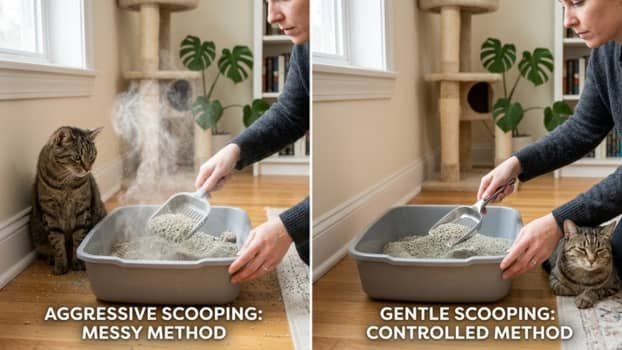
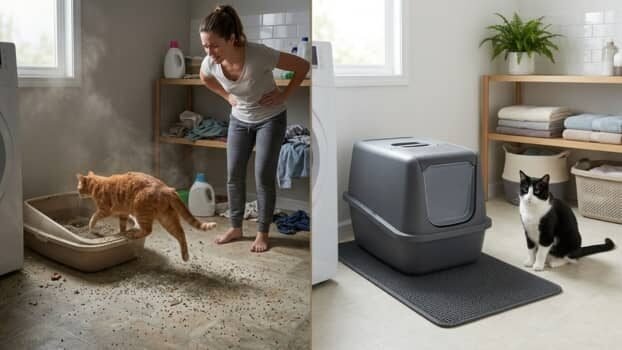
Gentle scooping helps prevent litter from breaking apart and reduces dust in the air.
Scooping can stir up dust, especially after the litter starts breaking down. Moving the scoop slowly and avoiding aggressive digging helps keep particles from lifting into the air.
It also prevents clumps from breaking apart, which reduces the fine debris left behind in the box.
Keep the Litter Fresh
Even low dust litter gets dusty if it stays in the box too long. As clumps are removed, small fragments stay behind and gradually build up.
That is what makes the box feel powdery, even if it started out clean. Topping up helps, but regular full replacement prevents that buildup much better.
Litter Depth Makes a Difference
Shallow litter breaks apart more easily because clumps hit the bottom of the box and spread out. A slightly deeper layer helps clumps form properly and stay intact.
That means less loose material in the box and less dust over time.
Litter Box Setup Helps Control Spread
Dust does not only come from the litter itself. It also spreads based on how the box is set up.
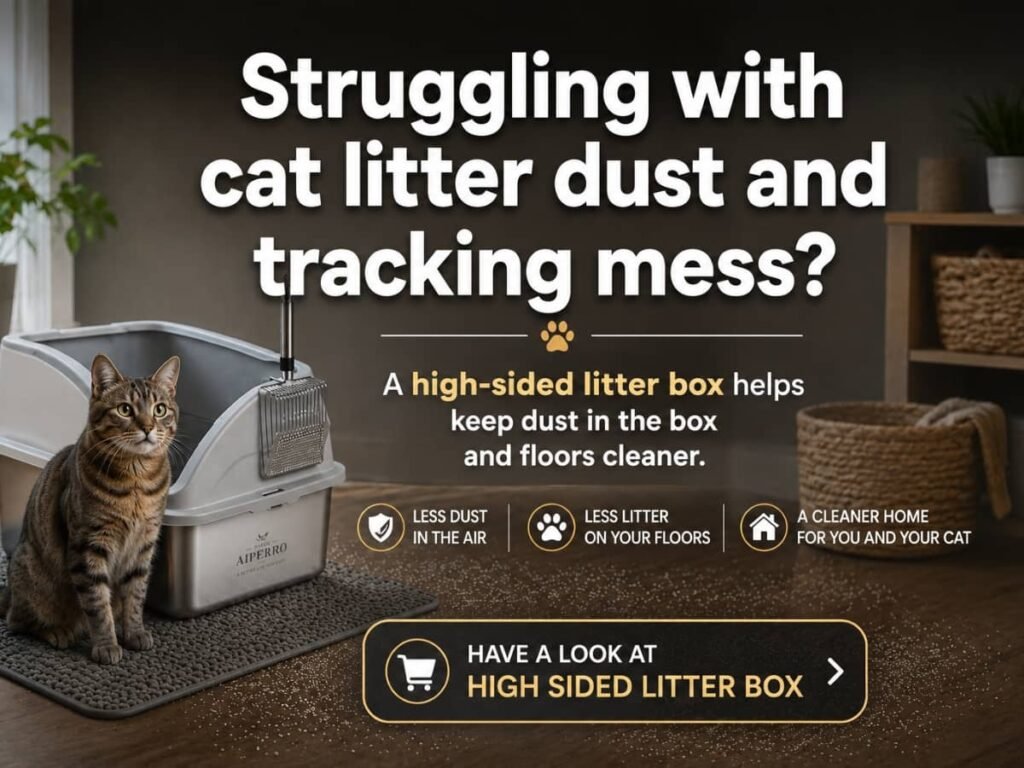
A high-sided box or partially enclosed design can help contain particles when your cat digs. A litter mat outside the box also catches debris before it spreads farther.
If tracking is part of the same problem, setup matters even more. See our litter tracking solutions guide for more ways to reduce the mess around the box.
Frequently Asked Questions
Is there really such a thing as dust-free cat litter?
No cat litter is completely dust-free. Even products labeled “99% dust free” can still release small particles during pouring or scooping.
The real difference is how much dust you notice in daily use. Some litters create a visible cloud right away, while others stay cleaner and do not build up fine particles as quickly.
What is the best low dust cat litter for allergies or asthma?
Low dust options that release fewer airborne particles usually work better in sensitive setups. Pellet litter and crystal litter often create the least dust overall, while high-quality clumping litters with heavier granules can also be a big improvement over cheaper clay.
Why does my cat litter get dustier over time?
Litter gets dustier as it breaks down with use. As clumps are removed, small fragments stay behind and mix into the clean litter. Over time, that creates a fine layer of particles that gets stirred up every time your cat digs or you scoop.
Does low dust litter mean less tracking?
Not always. Dust and tracking are related, but they are not the same problem. Some litters reduce airborne dust but still stick to paws and get carried outside the box.
If tracking is also an issue, it helps to look at both the litter type and the box setup.
How can I reduce litter dust without changing litter?
A few small changes can help even with your current litter.
- pour slowly and close to the box
- avoid aggressive scooping
- keep a deeper layer of litter
- replace litter more often before it breaks down
Those adjustments can make a noticeable difference in how much dust ends up in the air.
Related Litter Box Guides
- Best Low Tracking Cat Litter
- Best Clumping Cat Litter
- Litter Tracking Solutions
- Best Lightweight Cat Litter
Final Thoughts
The best low dust cat litter depends on where the dust problem is actually coming from.
If you see a dust cloud when pouring, heavier granules, tofu litter, pellets, or crystals usually make the biggest difference. If the box gets dustier over time, stronger clumping and more stable materials help keep things cleaner longer.
There is no perfect dust-free option, but the right combination of litter type and setup can noticeably reduce both airborne dust and the mess around the box.
If dust and tracking are both frustrating, upgrading your litter and your litter box setup at the same time usually works better than changing only one thing.