Disclaimer: This post may contain affiliate links. As an Amazon Associate, we earn from qualifying purchases.
Last updated on October 2, 2026
Paper cat litter is made from recycled paper compressed into pellets or granules, and it’s one of the most useful alternatives to clay for specific cats and households.
Paper cat litter is best for low-dust homes, cats that track litter, and as one option for kittens, but it requires more frequent full box changes than other litter types.
Quick Picks
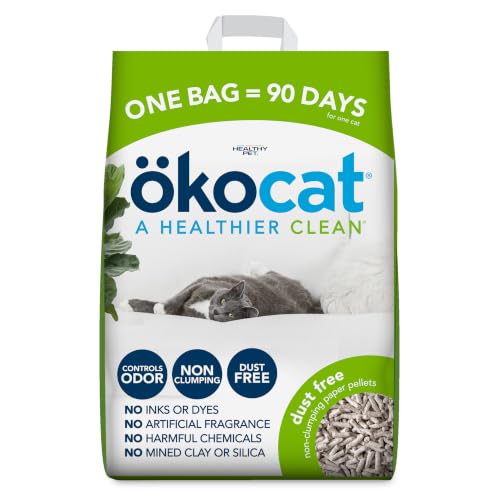
Best Paper Pellet Litter: ökocat Dust Free Paper Pellets
Best Scoop for Paper Pellets: Depets Wide Slats Litter Scoop
More Paper Litters: see our best paper cat litter
What paper cat litter is made from
Most paper litters are made from recycled paper that has been cleaned, processed and compressed into one of two forms: pellets or granules.
Pellets are the more common form. They are denser, absorb more liquid per piece and track far less than granules. Granules, sometimes called paper crumble, are softer underfoot but absorb less and tend to scatter more like traditional clay.
How paper cat litter works
When a cat urinates on paper pellets, the liquid is absorbed into the paper fibers. The pellets swell slightly as they absorb moisture and eventually break down. Solid waste sits on the surface and is scooped out daily.
Because paper litter doesn’t clump, urine stays in the box until the full litter change. Stirring daily and removing wet pellets helps slow odor buildup between changes.
The two forms compared
Pellets are the better choice for most situations. They track less, absorb more per unit and hold together longer before needing a full change. A sifting litter box works well with pellets because you can shake out broken-down material while keeping intact pellets in place.
Granules are softer underfoot, which some cats prefer. They’re closer in texture to fine clay, which can make switching easier for cats that resist pellets. The tradeoff is more tracking and more frequent changes.
Where paper litter wins
Very little dust. Paper litter produces very little dust. Reviewers of ökocat’s paper pellets confirm zero dust. For households where dust is a genuine concern, the difference from clay is noticeable.
Comfortable underfoot. The softer texture is comfortable underfoot, and reviewers include kittens and older cats that accepted it well.
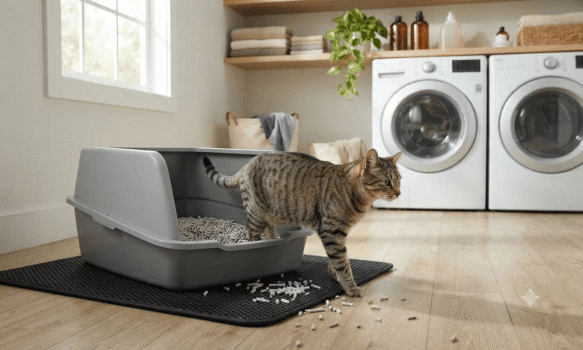
Minimal tracking. The pellets are too large to stick to paws or get caught between toes, which means far less scattered litter around the box. Reviewers who switch from clay often report cleaner floors as one of the biggest improvements.
Lightweight. A bag of paper litter weighs much less than the same volume of clay. For anyone who finds heavy litter bags difficult to handle, that’s a practical benefit.
Recycled materials. Paper litter is made from recycled paper and is biodegradable. Some varieties can be composted, though you should check local guidelines before doing so.
Unscented options. ökocat’s paper pellets are unscented, which matters for cats that dislike fragrance.
Where paper litter falls short
Odor control is the weak point. Paper absorbs moisture well but doesn’t trap ammonia the way clumping clay or crystal litter does. Reviews are split on how well it controls odor over time. Some report no smell issues with daily scooping and regular changes. Others find the smell builds within a few days regardless.
More frequent changes needed. Expect to change the whole box more often than clumping litter, because urine stays in the litter. Follow the bag, and change it sooner if it becomes damp or starts to smell.
Many cats need time to adjust. Paper pellets look and feel nothing like clay. Some cats accept the switch without issue. Others take longer, particularly cats that have used fine-grained clay their whole lives.
Paper litter and kittens
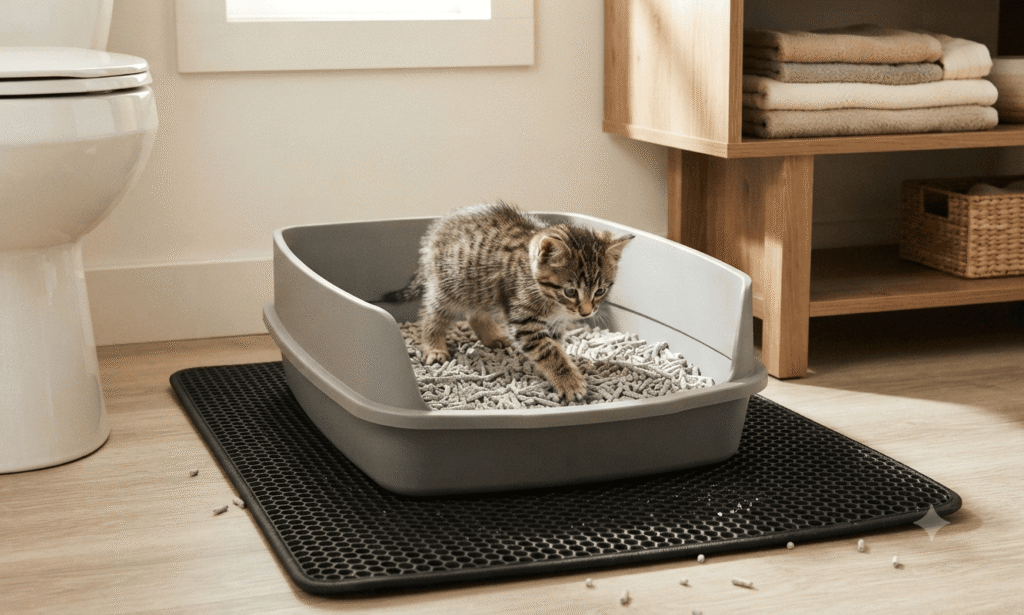
Paper pellets are one option for young kittens: they’re very low in dust and soft underfoot. One ökocat reviewer used its paper pellets with a 4-week-old kitten. AAHA suggests starting kittens with unscented clumping litter, the litter they used before, or both, so paper isn’t the only choice. If your kitten tends to eat litter, ask your vet which type to use. Our guide to the best cat litter for kittens compares the options.
What happened to Yesterday’s News?
Purina discontinued Yesterday’s News in 2022. Recycled-paper pellet litters such as ökocat are still available.
Switching to paper litter
Cats can be resistant to litter changes, especially from fine-grained clay to large pellets. Mix a small amount of paper litter into the existing litter and increase the ratio gradually. Keep a second box with the original litter available during the transition if possible.
Some cats switch right away, while others take longer. If your cat won’t accept pellets at all, granule-form paper litter is worth trying as a middle ground. Our guide on how to transition cat litter covers the steps.
How to maintain paper litter
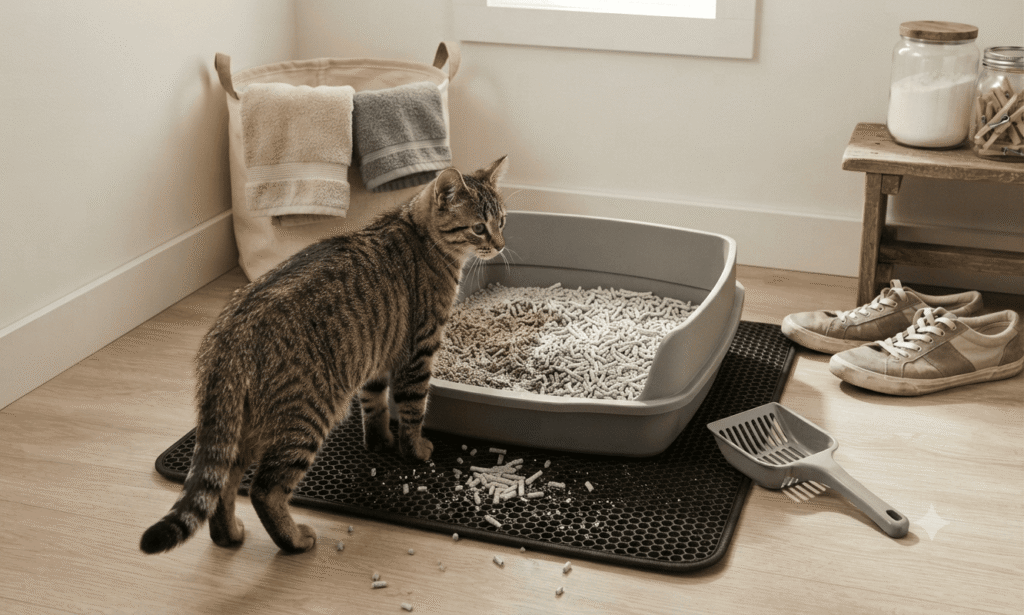
- Scoop solid waste daily and remove any visibly wet or darkened pellets at the same time
- Stir the litter once a day to distribute moisture evenly
- Replace the full box when the litter becomes damp or starts to smell, following the bag, and more often for multiple cats
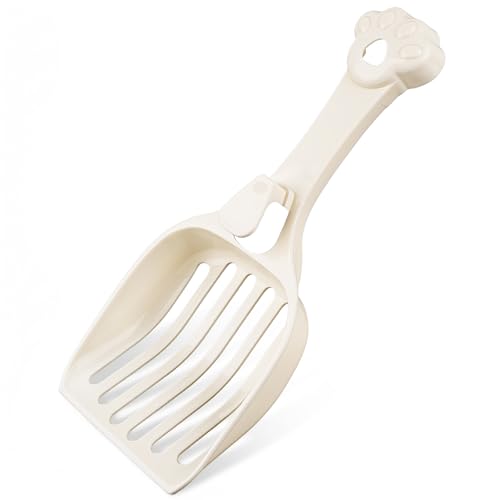
A scoop with wider slots works better with pellets than a fine-mesh scoop designed for clumping clay. The Depets Wide Slats Litter Scoop is built for pellet litters, and multiple reviewers confirm it works with several pellet brands. Our cat litter scoop guide covers the different styles.
Paper litter vs other types
For product picks across all paper litter types, see our best paper cat litter guide. Compared to clumping litter, paper produces less dust but requires full box changes instead of daily urine scooping. Compared to crystal litter, paper is softer underfoot but doesn’t control odor as long. Compared to pine pellets, paper is softer underfoot but usually needs more frequent changes.
FAQ
Is paper cat litter better than clay?
For specific situations, yes. Paper litter is better for households with dust concerns or tracking problems. For everyday odor control and ease of maintenance, clumping clay is still the more practical choice for most adult cats.
Does paper cat litter control odor?
It absorbs urine, which helps, but odor control is the most common complaint in reviews. Daily scooping, removing wet pellets and regular full changes keep smell manageable.
Can you flush paper cat litter?
Some paper litters are marketed as flushable. In practice, flushing any cat litter in large quantities can cause plumbing issues over time. Check local guidelines before flushing.
Can kittens use paper litter?
Yes, it’s one low-dust option for kittens, but not the only one. Our guide to the best cat litter for kittens covers other choices and what to look for.
How long does paper cat litter last?
Remove wet litter and solid waste daily, then follow the brand’s directions for full changes. Paper usually needs replacing more often than clumping litter, especially with multiple cats.