Disclaimer: This post may contain affiliate links. As an Amazon Associate, we earn from qualifying purchases.
Last updated on July 24, 2026
Finding poop outside the litter box is frustrating, and it often feels like it came out of nowhere. One day everything is fine, and the next you’re cleaning the floor instead of the box.
Cats don’t do this out of spite. When a cat starts pooping outside the litter box, it’s almost always a sign that something is off with their health, their setup, or their environment.
The hard part is figuring out what changed. The cause can be as simple as a dirty box or as serious as pain when using it. Some cats avoid the box completely. Others try to use it but end up going right next to it instead.
This guide breaks it down in a practical way so you can narrow it down faster. You’ll learn what different patterns mean, what to check first, and which changes usually fix the problem.
Quick Answer
Cats poop outside the litter box when something about the box, their health, or their environment doesn’t feel right. The most common reasons are a dirty litter box, discomfort while using it, stress, or a medical issue that makes it painful or urgent to go.
In simple terms, your cat is usually telling you one of two things:
- “I don’t like this litter box setup”
- “Something feels wrong when I try to use it”
The location and pattern of the accidents often give the biggest clue. Pooping right next to the box usually points to a setup problem, while random spots around the house can suggest stress, urgency, or digestive discomfort.
The next step is figuring out which situation you’re dealing with, because the fix depends on the cause. If you want the broader overview first, you can read this guide on why your cat is not using the litter box.
What the Location of the Poop Tells You
Where your cat is pooping gives you one of the strongest clues about what’s going on. It makes it much easier to narrow down the cause instead of guessing.

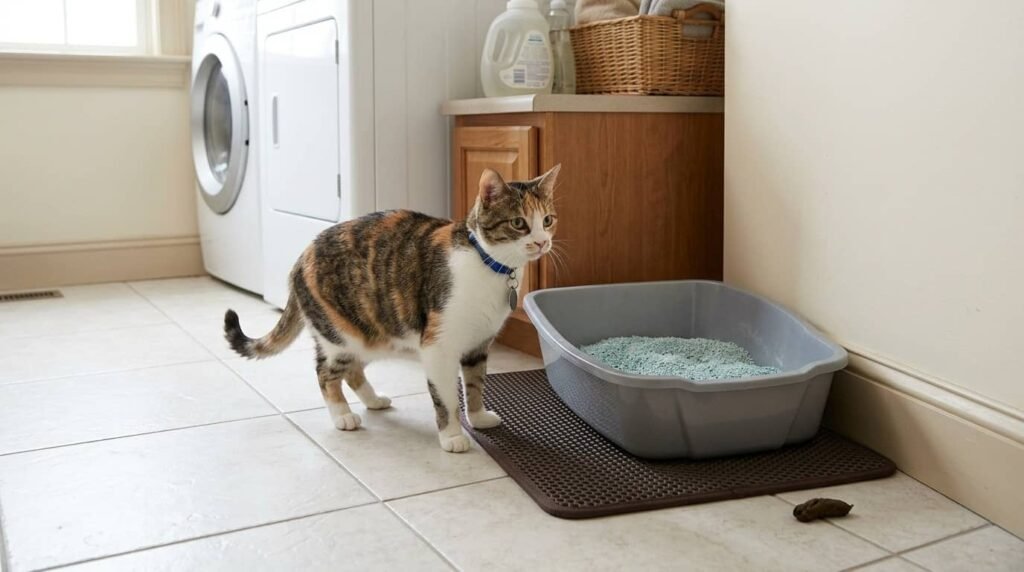
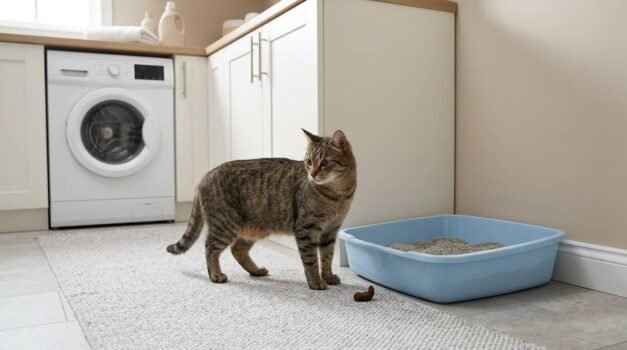
Right Next to the Litter Box
If your cat is going right beside the box, they’re usually trying to use it but something about it is stopping them.

A cat going right next to the litter box usually means something about the setup is uncomfortable or not working.
Common reasons:
- the box is dirty
- the sides are too high
- the box is too small
- the litter feels wrong on their paws
This is often one of the easier problems to fix because your cat is already in the right area. You’re usually just adjusting the setup so they feel comfortable stepping inside again.
On Soft Surfaces (Beds, Rugs, Laundry)
This usually points to stress or discomfort.
Cats often choose soft spots because:
- it feels better if they’re dealing with pain or irritation
- those areas smell like you, which can feel safe
- they’re avoiding the litter box entirely
If this starts suddenly, look for changes in the home like new pets, visitors, or a move.
Random Spots Around the House
When the location seems random, it often points to urgency or confusion.
This can happen when:
- stool is loose and the cat can’t make it in time
- there’s digestive discomfort
- the cat is older and having trouble getting to the box
This is where it helps to pay attention to stool changes and behavior. If your cat is also peeing outside the litter box, this guide on why cats pee outside the litter box can help narrow it down further.
Always the Same Spot
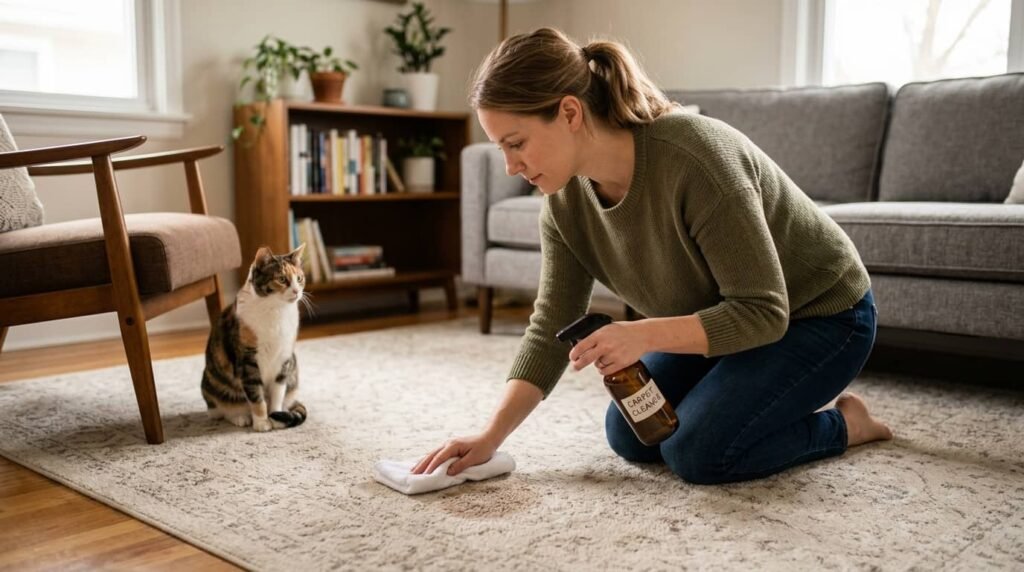
If your cat keeps going in the exact same place, scent is usually the reason.
Cats can still detect scent you can’t. Once a spot is marked, they tend to return to it.
This is where proper cleaning matters. A basic cleaner usually won’t remove the scent completely, which is why the problem keeps coming back.
Why This Happens
Once you look past the location patterns, most cases fall into a few clear categories. The key is figuring out which one matches what you’re seeing at home.
1. Litter Box Setup Problems
This is one of the most common reasons, especially when the poop is right next to the box.
Cats can be picky about:
- box size
- entry height
- litter texture
- how clean the box is
If something feels off, they may still go to the area but avoid stepping inside.
A box that’s too small can make it hard for a cat to turn around comfortably. High sides can be a problem for older cats. If the litter feels sharp or dusty, they may avoid it completely.
2. The Litter Box Isn’t Clean Enough
Cats are very sensitive to cleanliness.
If the box isn’t scooped often enough, they may decide to go somewhere else, even if it looks fine to you.
This becomes more noticeable when:
- you have more than one cat
- the box is in a warm area
- waste builds up quickly
If your cat uses the box sometimes but not always, this is often part of the problem.
3. Stress or Environmental Changes
Cats rely heavily on routine. Small changes can throw them off more than you’d expect.
Common triggers include:
- moving to a new home
- new pets or people
- changes in furniture or layout
- loud or busy areas near the box
Instead of using the litter box, a stressed cat may choose a different location that feels safer.
4. Medical or Physical Discomfort
If using the litter box is uncomfortable, some cats start avoiding it.
This can happen with:
- constipation (hard, painful stool)
- diarrhea or urgency
- joint pain that makes climbing into the box difficult
You might notice:
- straining
- changes in stool
- hesitation before going
If anything looks unusual, it’s worth checking with a vet.
5. Problems in Multi-Cat Homes
In homes with more than one cat, litter box issues can be subtle.
One cat may:
- block access to the box
- watch or follow another cat
- create tension without obvious fighting
The result is that one cat avoids the box and finds another place instead.
Adding more boxes in separate areas often helps reduce this problem. The guide on how many litter boxes per cat covers exactly how to set this up in multi-cat homes. And pairing those extra boxes with a litter that controls odor well means they stay usable longer — this guide to the best clumping cat litter for multiple cats covers the top options for busy boxes.
6. Negative Associations With the Box
If something unpleasant happens while your cat is using the box, they can start avoiding it.
Examples include:
- getting startled by a loud noise
- being interrupted by another pet
- pain while going
Even if the box itself is fine, that bad experience can make them choose a different spot next time.
Features That Actually Fix This Problem
Once you’ve narrowed down the cause, the next step is adjusting the setup. Small changes here often make a bigger difference than people expect.
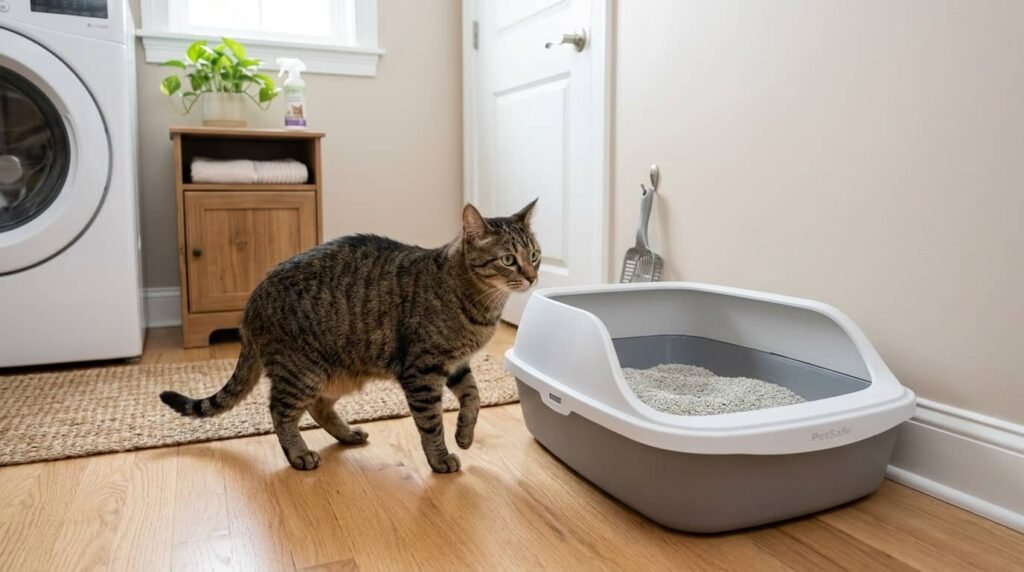
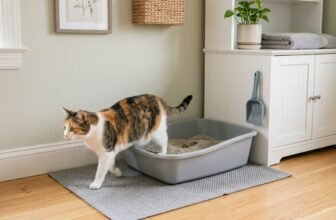
A Larger, More Open Litter Box
A cramped litter box is a common reason cats avoid using it properly.
If your cat struggles to turn around or position comfortably, they may step out of the box or go right next to it instead.
Switching to a larger open box gives them more room to move naturally. One example is this extra large open litter box, which gives cats more space to move comfortably.
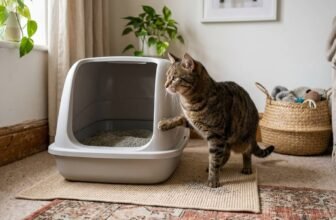
A Low-Entry Box for Easier Access
If your cat hesitates before getting into the box or seems stiff, entry height can be the issue.
This is especially common with older cats or cats dealing with joint discomfort. Even a few extra inches can make the box feel difficult to use.
A low-entry design removes that barrier. This type of open litter box with a lowered front makes it much easier to step in and out without discomfort.
Unscented, Comfortable Litter
Litter texture matters more than it seems.
If the litter feels rough, dusty, or heavily scented, some cats avoid stepping on it or rush out before finishing.
A fine, unscented clumping litter usually works best because it feels softer and more natural. A good example is this unscented clay litter, which forms solid clumps and keeps odor under control without adding artificial fragrance.
Proper Cleaning That Removes Odor Completely
If your cat keeps going back to the same spot, the smell is still there even if you can’t detect it.
Regular cleaners usually don’t remove it fully, which is why the behavior repeats.
An enzyme-based cleaner breaks down the odor at the source. Something like this bio-enzyme spray is designed specifically for pet messes and works on carpets, floors, and furniture.
Enough Litter Boxes in the Right Places
In multi-cat homes, one box is rarely enough.
Even if cats seem to get along, they may avoid using the same space. This leads to accidents elsewhere in the house.
Adding another box in a separate, quiet location often solves this quickly. It gives each cat an option without pressure.
What to Do First (Step-by-Step Fix)
Once your cat starts pooping outside the litter box, it’s easy to start changing everything at once. That usually makes it harder to figure out what’s actually working.
A better approach is to go step by step. This helps you fix the problem faster and avoid unnecessary changes.
Step 1: Look at the Stool and Behavior
Start with the basics.
Check:
- is the stool hard and dry
- is it soft or loose
- is your cat straining or going quickly
Hard stool can point to constipation, which makes the litter box uncomfortable to use. Loose stool can lead to urgency, where your cat doesn’t make it in time.
Also watch how your cat behaves:
- do they go near the box but not inside
- do they hesitate before going
- do they seem restless
If anything looks unusual or sudden, it’s worth getting a vet’s opinion.
Step 2: Clean the Problem Areas Properly
If your cat has used a spot more than once, the smell is still there even if it seems clean.

Cleaning the area thoroughly helps remove scent and prevents your cat from returning to the same spot.
This is one of the biggest reasons the behavior keeps repeating.
Use an enzyme cleaner on:
- floors
- carpets
- rugs
- any repeat spots
Let it soak and dry fully instead of wiping it away too quickly. The goal is to remove the scent completely so your cat doesn’t return to that area.
Step 3: Reset the Litter Box
Next, focus on the box itself.
Do a full reset:
- empty the box completely
- wash it with mild soap
- dry it fully
- refill with fresh litter
Even buildup you can’t smell can make a cat avoid the box.
If the problem started recently, this step alone can fix it.
Step 4: Give It Time and Watch for Changes
After making changes, give your cat a few days to adjust.
Look for:
- fewer accidents
- more consistent box use
- less hesitation
If things improve, you’re on the right track.
If there’s no change after trying these steps, or if symptoms look unusual, it’s best to check with a vet.
FAQ
Why Is My Cat Pooping Outside the Litter Box but still peeing in it?
This usually points to discomfort or a setup issue rather than a complete rejection of the box. Pooping requires more time and positioning, so if something feels off, your cat may step out instead of staying inside.

Hesitating near the litter box often means something about the setup feels uncomfortable.
How long does it take to fix this problem?
Some cats respond within a few days once the setup is corrected. Others take a week or two, especially if the behavior has been happening for a while. Consistency matters more than speed here.
Should I punish my cat for pooping outside the litter box?
No. Punishment doesn’t fix the cause and can make the problem worse by adding stress. The focus should always be on adjusting the environment and setup.
When should I be concerned enough to call a vet?
If you notice straining, blood, major stool changes, or a sudden shift in behavior, it’s worth getting a professional opinion. Ongoing issues that don’t improve after changes also fall into this category.
Will changing the litter really make a difference?
Yes, especially if the current litter is scented or uncomfortable. Some cats are very sensitive to texture and smell, and switching to a softer, unscented option can make a noticeable difference.