Disclaimer: This post may contain affiliate links. As an Amazon Associate, we earn from qualifying purchases.
Last updated on October 1, 2026
Why is my cat not using the litter box? Your cat hasn’t forgotten where to go. Something about the box, the litter or the spot it sits in may be putting them off.
This guide is a setup checklist. Work through it one item at a time, and you can usually find the problem without guessing.
Why is my cat not using the litter box? If health problems have been ruled out, the next place to look is the setup: the box size, number of boxes, litter, smell and location.
Other guides cover the rest. If your cat used the box fine and then suddenly stopped, start with our guide on what to do when your cat stopped using the litter box. If the accidents keep happening in one particular spot, see why your cat is peeing outside the litter box.
First, Rule Out a Medical Problem
Before changing the setup, make sure there isn’t a physical reason. Straining, very frequent trips, small amounts or signs of discomfort can point to a urinary or digestive problem that makes the box painful to use. A vet check is the safest first step.
If your cat is straining with little or nothing coming out, especially a male cat, go to an emergency vet. If your cat is lying in the box rather than avoiding it, see our guide on why a cat lays in the litter box.
The Setup Checklist
1. The Box Is Too Small
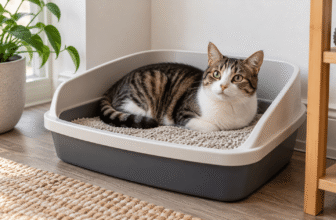
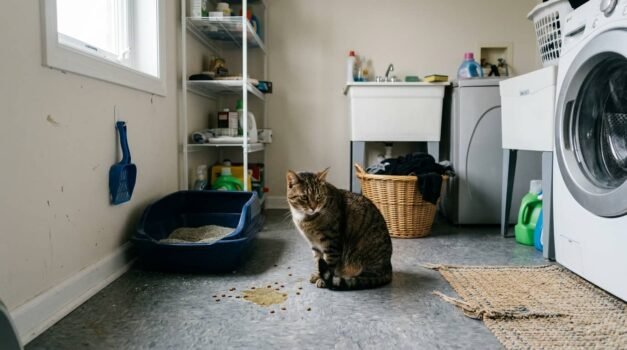
Cat sitting near the litter box but avoiding it, which often points to a problem with the setup rather than training
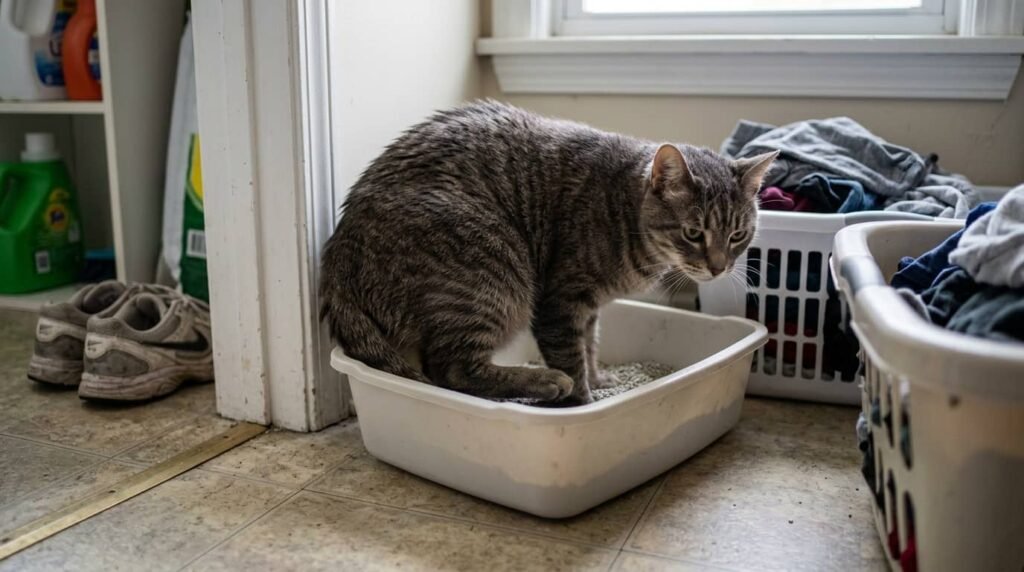
This is one of the most overlooked problems. If your cat can’t turn, dig and position comfortably, they may go right next to the box instead. Most standard boxes are smaller than cats need, even for average-sized cats.
An extra-large box like the IRIS USA Extra Large Open Top Litter Box gives room to turn around, and its 14-inch sides still keep litter in.
2. There Aren’t Enough Boxes
Some cats won’t use a box that already smells used, and in multi-cat homes, one cat can block another from the only option. The usual rule is one box per cat plus one extra. Our guide on how many litter boxes per cat breaks it down.
3. Your Cat May Prefer Separate Spots for Pee and Poop
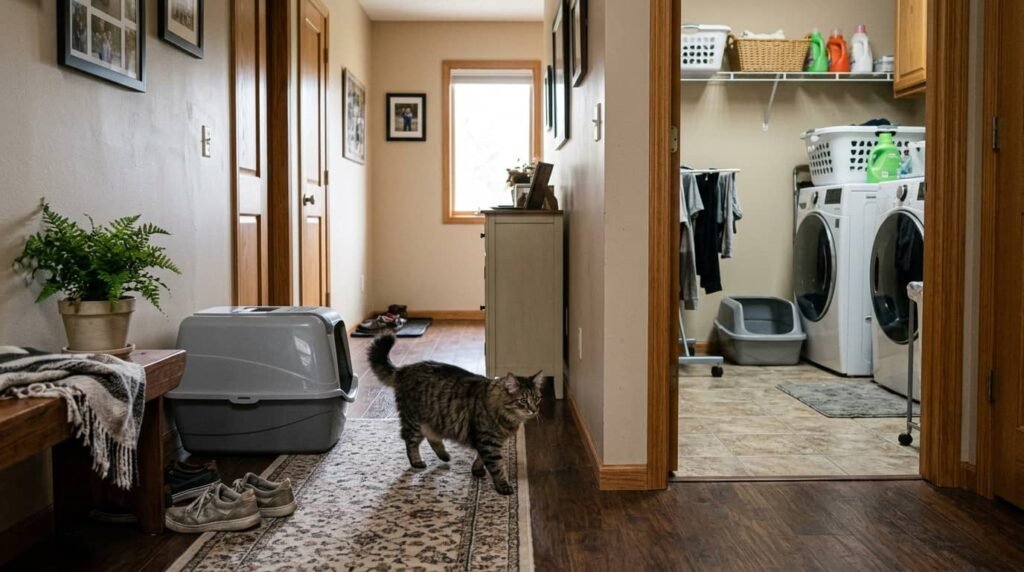
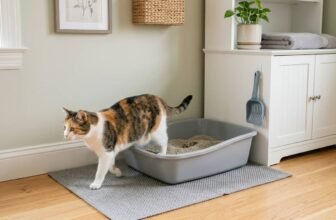
Placing litter boxes in different areas gives your cat more options and helps prevent accidents
Some cats use one box for urine and another for stool. If poop keeps ending up beside an otherwise-used box, try adding a second box in a separate location rather than placing the two side by side.
4. The Box Smells Worse Than You Think
Your cat’s nose is far more sensitive than yours. A box that looks clean can still smell used to them, and older plastic boxes can hold onto odor over time, even with regular scooping. Our guide on how often you should scoop a litter box covers the routine.
Switching materials can help. The Tevila Stainless Steel Litter Box with High Sides is easy to keep clean, and several reviewers say waste and litter don’t cling to it the way they did to plastic.
5. The Litter Feels Wrong
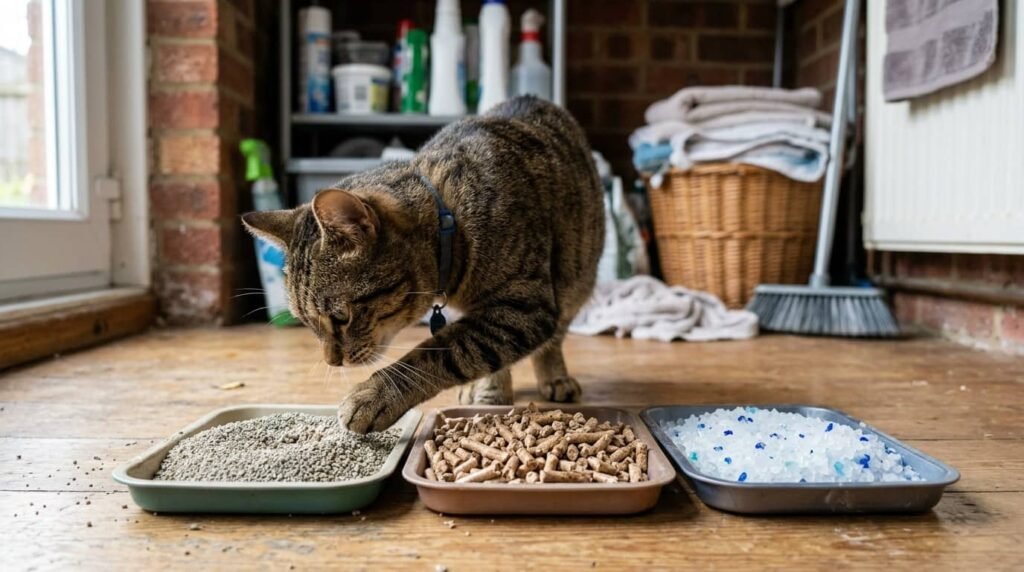
Cats often prefer softer, unscented litter, and may avoid the box if the texture feels uncomfortable
If the litter is rough, dusty, too deep or heavily scented, your cat may avoid it. Most cats prefer fine, unscented, clumping litter. Boxie Glo Attract is a good example: soft, fine granules with no added scent. If the problem started after a litter switch, going back to the old one is often the simplest fix.
6. The Location Doesn’t Feel Safe
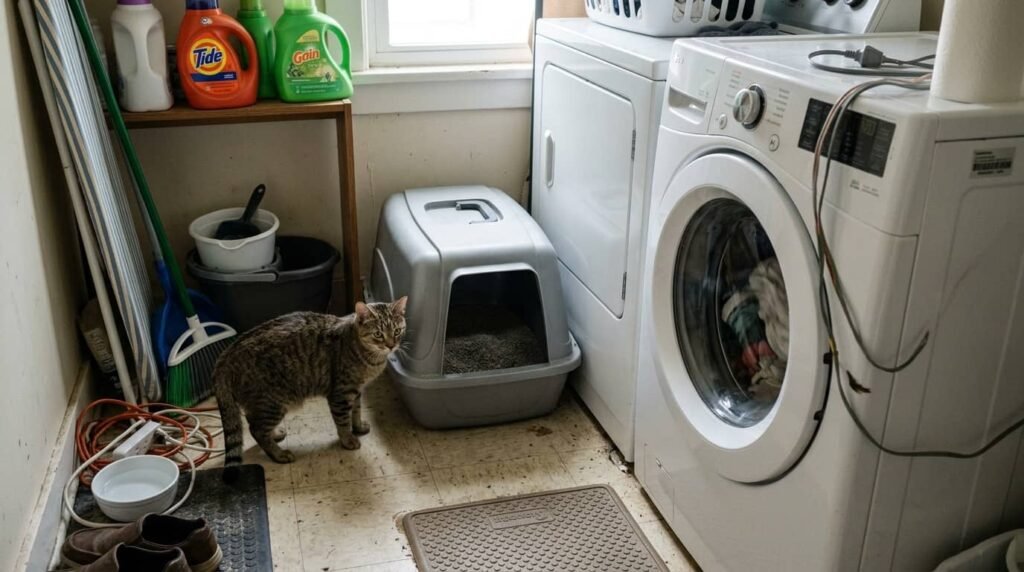
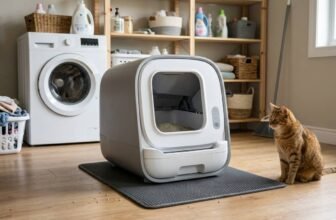
Litter boxes placed in noisy or cramped areas can make cats feel unsafe and lead to accidents outside the box
Loud appliances, busy hallways and tight corners can all put a cat off. Cats want a quiet spot where they can see around them and leave easily. Moving the box somewhere calmer and more open often helps quickly.
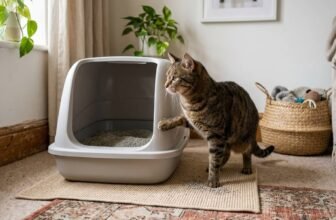
7. The Box Has a Cover Your Cat Doesn’t Like
Covered boxes hold smell inside, and some cats feel trapped when they can’t see what’s coming. That’s especially true in multi-cat homes, where another cat could be waiting outside. If possible, offer both a covered and an uncovered box and let your cat show you which they prefer.
Clean Up and Reset
Empty the box completely, clean it with hot water or a small amount of mild unscented soap, rinse well, and refill it with fresh litter. Sometimes that reset alone fixes things. For the full method, see our guide on the best way to clean a litter box.
For accidents outside the box, use an enzyme cleaner like the Hepper Advanced Bio-Enzyme Pet Stain and Odor Eliminator. Regular cleaners can leave enough scent for your cat to keep coming back to the same spot.
Frequently Asked Questions
Why is my cat peeing outside the litter box but still pooping in it?
This often points to something about urinating specifically, like discomfort, stress or litter preference. It can also mean the box works for one but not the other. Our guide on why your cat is peeing outside the litter box goes deeper.
Why is my cat pooping outside the litter box but still peeing in it?
Box cleanliness, size or discomfort while squatting are common reasons. Some cats also simply want a separate space for each. See our guide on why your cat is pooping outside the litter box.
Is my cat doing this on purpose?
No. Litter-box avoidance is not spite. It usually reflects discomfort, stress, a setup problem or another unmet need.