Cat Won’t Cover Poop in Litter Box: Why It Happens and What to Do

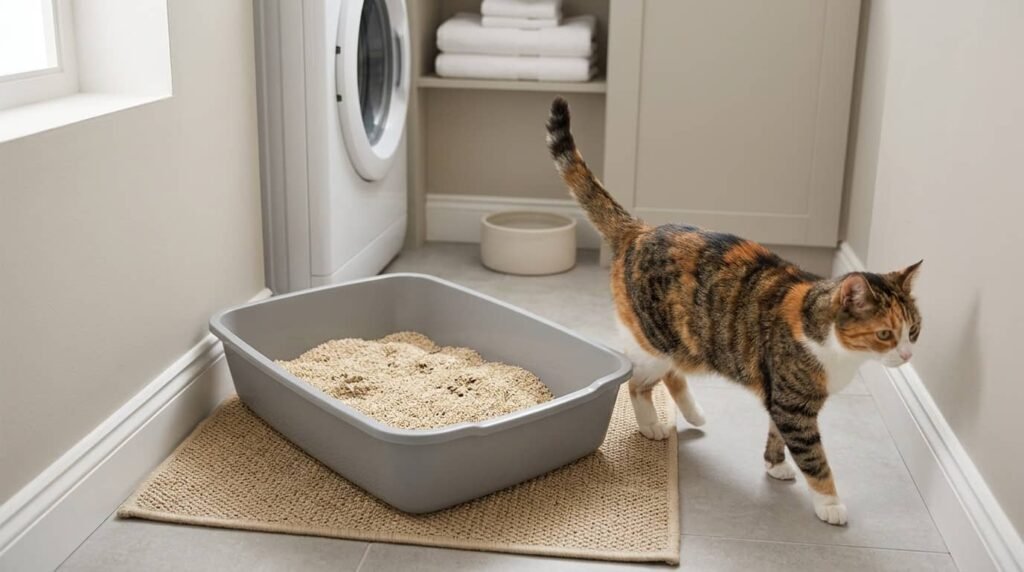
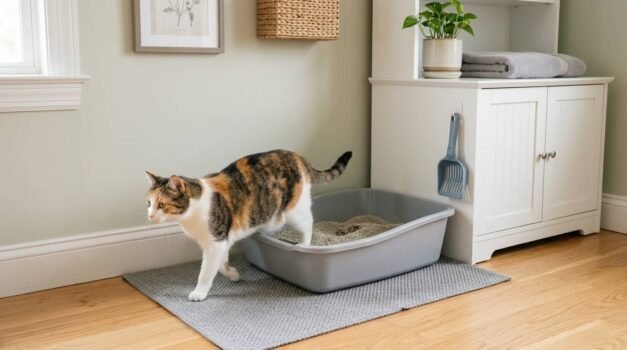
Cat won't cover poop in litter box featured image showing a cat stepping away from a clean litter box in a tidy home setup

Disclaimer: This post may contain affiliate links. As an Amazon Associate, we earn from qualifying purchases.

Last updated on August 30, 2026

A cat that won’t cover poop in the litter box isn’t automatically doing something wrong. Some cats simply don’t cover. Others stop covering when something has changed. The difference between those two situations matters more than the behavior itself.

A cat that has never covered its poop is likely expressing normal behavior. A cat that suddenly stops covering is telling you something has changed — in their health, their environment, or their litter box setup.

When It’s Normal and Needs No Fix

Not every cat covers their waste. Some confident cats may leave waste uncovered as part of scent communication. Domestic cats carry this instinct from their wild ancestors, and some individuals simply never develop a consistent covering habit.

In a multi-cat household, uncovered waste can sometimes show up around social tension or territory changes. When a second cat joins the home, a previously consistent coverer sometimes stops. This is usually temporary and settles as the cats establish their dynamic.

Uncovered poop is usually more annoying for people than it is meaningful for the cat, unless it is part of a sudden behavior change. If your cat has never covered consistently and seems healthy and relaxed, this is probably just their personality. There’s nothing to fix.

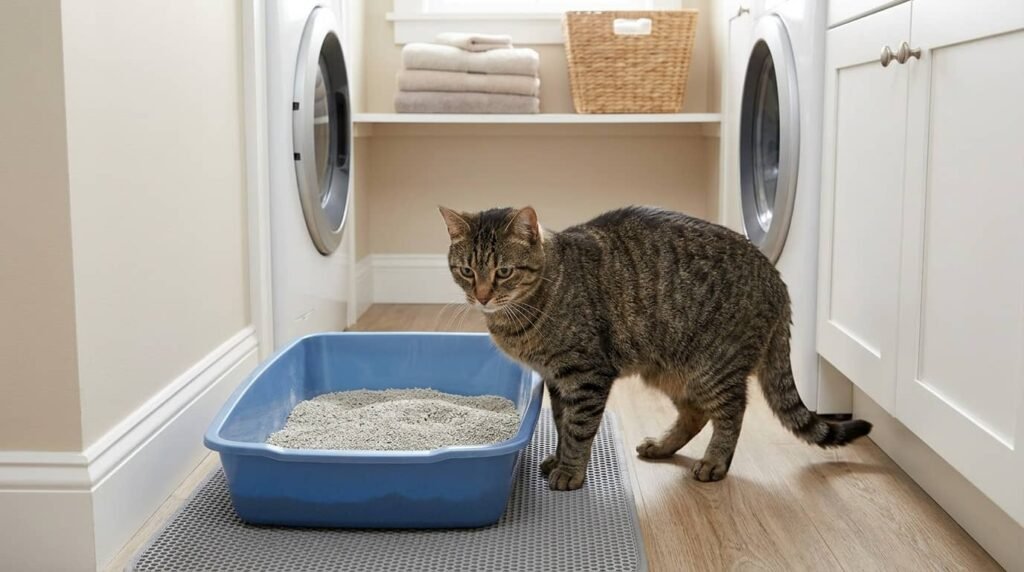
Cat not covering poop as normal behavior with a calm cat walking away from a clean litter box in a laundry room setup

Sudden Change Is the Real Signal

If your cat has always covered their poop and then stops, something has changed. That shift is what warrants attention.

Sudden behavior changes in the litter box can be caused by several things, and ruling out health first is always the right starting point.

Fixable Setup Causes

Before assuming a medical or emotional cause, check the litter box setup. Start with the easiest changes first: scoop more often, check litter depth, and make sure the box is large enough. These are the most common fixable reasons a cat stops covering.

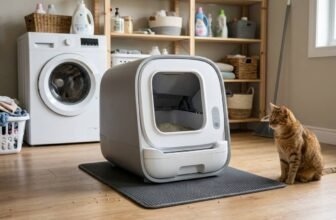
Cat won't cover poop in litter box due to a fixable setup problem with a cat beside a small litter box in a laundry room

The box is too small. When a cat can’t turn around properly, they can’t position for covering. If your cat looks cramped or steps out quickly, a larger litter box is the first thing to try. Extra large open boxes give cats room to complete their full routine comfortably.

The litter depth is wrong. Too shallow and there’s nothing to push over the waste. Too deep and some cats don’t want to dig at all. Most cats cover most reliably with 2 to 4 inches of a clumping litter they can move easily.

The box is too dirty. Cats that want to get out of the box quickly often skip covering. A box that hasn’t been scooped recently makes that urge worse. Scooping at least twice daily during any behavior change removes this variable. Walnut shell litter controls odor well between scoops if staying on top of cleaning is difficult.

The litter type changed. A texture the cat doesn’t like to dig in means less digging overall. If covering stopped around the same time you switched litters, the litter is the likely cause. Try the gradual transition method back to the previous litter to test it.

Box placement. A cat that doesn’t feel safe in the box exits quickly. If the box is in a high-traffic area, near a noisy appliance, or in a spot where they can be startled, they’ll skip the covering step. Moving the box to a quieter, more private location can help if the current spot feels unsafe or stressful.

Stress as a Cause

Cats experiencing stress often show it through litter box behavior changes. Not covering is one of the more common stress signals.

New pets, new family members, changes in routine, construction noise, rearranged furniture, or even a new smell in the home can all be enough to change a cat’s behavior. The stress doesn’t have to be related to the litter box at all.

If you can identify a recent environmental change alongside the new behavior, giving the cat time to adjust while keeping the litter box extra clean and accessible often helps.

What Not to Do

Don’t scold your cat for leaving poop uncovered. They’re not being defiant. Punishment makes the litter box feel less safe and can create avoidance problems that are worse than uncovered poop.

If you need to clean it, just scoop calmly after your cat has left. Don’t turn it into a confrontation.

When to Talk to a Vet

A sudden stop in covering behavior is worth a vet check if it comes with any of the following: straining or crying in the box, changes in the stool itself, a cat that exits the box very quickly and seems uncomfortable, changes in appetite or energy, or any sign of pain when the cat digs or moves.

Arthritis can be an overlooked cause, especially in older cats. Digging and covering requires squatting and paw movement. A cat with sore joints may skip the step because it hurts. Overgrown claws can also make digging painful. A vet can rule both out quickly.

FAQ

Is it normal for cats not to cover their poop?

For some cats, yes. Cats that have never covered consistently may simply be expressing their personality or scent communication habits. It becomes worth investigating when a cat that previously covered suddenly stops.

Why did my cat suddenly stop covering their poop?

The most common causes are a litter box setup issue — too small, too dirty, or wrong litter — stress from an environmental change, or pain making it uncomfortable to dig. A vet visit is worth it if the behavior change is sudden and no setup issues are obvious.

Does not covering poop mean my cat is sick?

Not necessarily, but it can be a signal. If uncovered poop is accompanied by other changes in appetite, energy, litter box frequency, or visible discomfort, a vet check is the right move.

How do I get my cat to cover their poop?

Start by checking the litter box setup: is it large enough, clean enough, and filled with 2 to 4 inches of a litter the cat accepts? If everything looks right, check for recent stress or environmental changes. If the behavior is sudden and unexplained, a vet visit rules out physical causes.

Why does my cat scratch around the poop but not cover it?

This is the burying instinct working without enough litter to complete the action. The cat is going through the motions but not finding enough material to push over the waste. Adding more clumping litter usually resolves this.

Perfect Litter Box
Logo
DMCA.com Protection Status