Disclaimer: This post may contain affiliate links. As an Amazon Associate, we earn from qualifying purchases.
Last updated on October 3, 2026
How often should you scoop a litter box? It’s one of those small details that makes a big difference in how your home smells and whether your cat keeps using the box without issues.
Leave it too long, and odor builds up fast. Cats may start avoiding the box, which can turn into bigger problems like cats peeing or pooping outside the litter box.
The goal is a simple routine that keeps the box clean without turning it into extra work every day.
How Often Should You Scoop a Litter Box
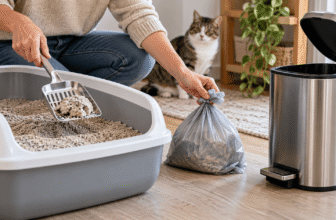
Scoop at least once a day, and aim for twice daily in busy or multi-cat boxes. Twice a day keeps odor under control and makes the box more comfortable for your cat.
Quick Picks
Best Scoop for Clumping Litter: WePet Aluminum Litter Scoop
Best Litter for Easy Scooping: Dr. Elsey’s Ultra Unscented
Best Disposal Pail: Litter Genie Platinum
Why Daily Scooping Matters
A litter box starts to smell quickly because waste breaks down faster than most people think. Urine soaks into the litter and begins to release ammonia, while solid waste adds to the odor within hours.
If waste sits too long, the clean litter around it is affected too. That’s why even a box that looks mostly clean can still smell strong.
Cats notice this before you do. If the box isn’t clean enough, they may avoid stepping in certain areas, scratch the sides instead of the litter, or start using other spots in the house.
What Changes How Often You Should Scoop
Number of Cats
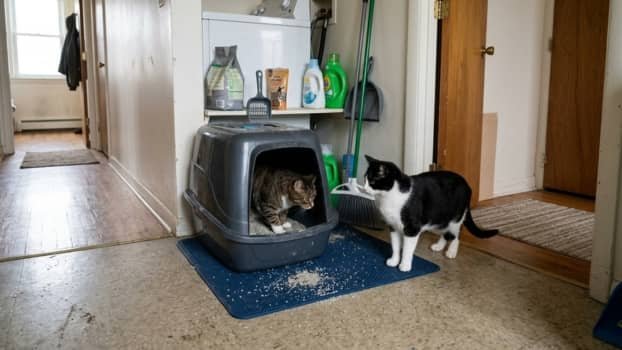
When multiple cats use the same litter box, waste builds up faster and usually requires more frequent scooping.
The more cats using the same box, the faster it gets dirty. With two cats sharing a box, aim to scoop twice a day if you can. With three or more, a quick extra check during the day helps.
More boxes help as much as more scooping. If you’re unsure how many you need, this guide on how many litter boxes per cat breaks it down.
Type of Litter
Clumping litter needs daily scooping because urine and solid waste form clumps that sit in the litter. Left too long, those clumps break apart and spread moisture through the rest of the box. A litter that forms strong clumps makes scooping easier. This guide to the best clumping cat litter covers which formulas hold together best.
Type of Litter Box
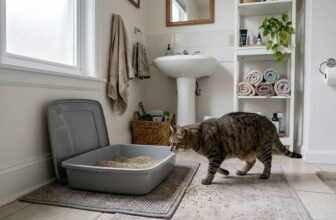
A standard box depends completely on manual scooping, so consistency matters. Skip a day and the difference can be noticeable right away.
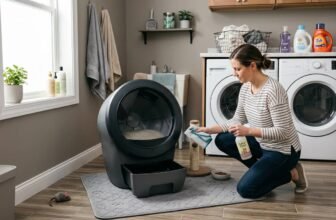
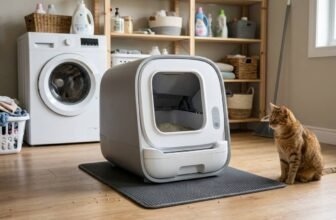
Automatic litter boxes handle most of the scooping, but they still need the waste drawer emptied and occasional deep cleaning.
Signs You’re Not Scooping Often Enough
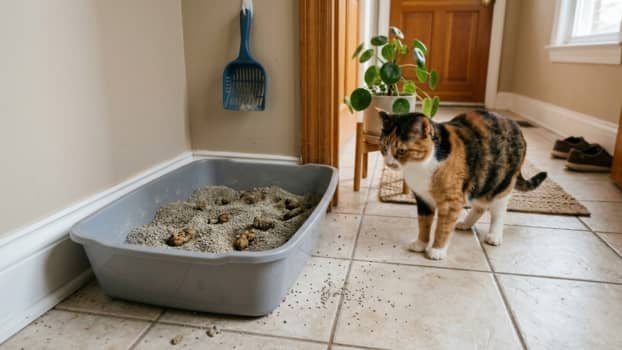
When a litter box is not scooped often enough, waste builds up quickly and cats may start avoiding it.
Cats usually show small signs before bigger problems start.
You can smell the box from across the room. That usually means waste has been sitting too long.
Your cat changes how it uses the box. Some cats stand on the edge instead of stepping fully inside. Others scratch the sides instead of the litter.
Clumps stick to the bottom or sides. The litter has absorbed too much moisture and is starting to break down.
Accidents start just outside the box. That often happens when the box no longer feels clean enough to use.
Scooping more often or adding another box is a good first step, but if accidents continue, it’s worth a vet visit too, since they aren’t always about the box.
A Practical Daily Routine
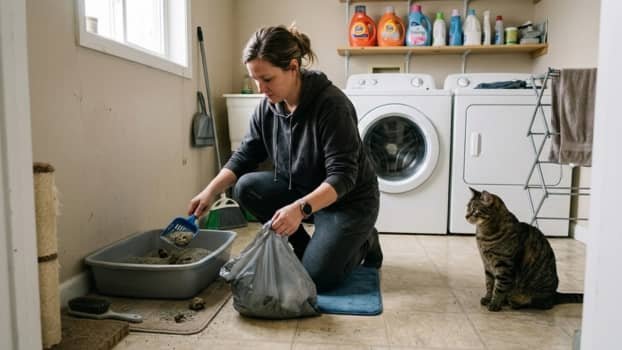
Scooping the litter box once or twice a day helps keep odor under control and makes cleanup quicker over time.
For one cat, scoop in the morning and check again in the evening. That second pass is quick but stops odor from building overnight.
Tie scooping to something you already do every day, like feeding. It becomes part of the routine instead of something you have to remember.
Keep the litter at the depth recommended on the bag, deep enough that clumps form before they reach the bottom.
Scooping keeps the box manageable day to day, but it doesn’t replace a full reset. This guide on how often you should change cat litter covers when a full replacement is needed.
Common Scooping Mistakes
Skipping a day here and there. It doesn’t seem like much, but by the next scoop the box can become harder to clean and smell stronger.
Shaking the scoop too hard. Aggressive shaking breaks clumps apart and spreads moisture through the box instead of removing it.
Too little litter. In a shallow layer, clumps stick to the bottom and are harder to remove.
One box for several cats. Even with frequent scooping, a single box gets overwhelmed quickly.
Tools That Make Daily Scooping Easier
WePet Aluminum Litter Scoop

Why It Stands Out: Reviewers say it hasn’t bent or broken with use. Its deep shovel separates clumps from clean litter, and owners say it rinses clean faster than plastic. One reviewer likes that its rounded edges don’t tear the trash bag when you dump waste. Several say it’s light for a metal scoop, which helps if you scoop more than once a day. Our cat litter scoop guide covers other scoop styles.
Possible Downsides: It’s made for clumping litter, so pellets won’t sift well through its slots.
Best For: Daily scooping with clumping litter.
Dr. Elsey’s Ultra Unscented

Why It Stands Out: Weak clumps break during scooping and leave small pieces behind. Nearly every reviewer says Ultra’s clumps stay hard and lift out in one piece, so less mess stays in the box. It’s unscented.
Possible Downsides: It’s a clay litter sold in heavy bags.
Best For: Anyone whose current litter crumbles on the scoop.
Litter Genie Platinum

Why It Stands Out: Walking waste to the trash after every scoop gets old fast. With a sealed pail, you drop waste in and empty it when it’s full. Reviewers widely confirm it controls odor well. Owners also confirm it’s stable, and one is still satisfied about two years after buying. It uses Easy Roll refills. Our best cat litter disposal system guide compares more options.
Possible Downsides: Refills are an ongoing purchase. Owners recommend hooking the bag securely and not overfilling it.
Best For: Daily scoopers who don’t want a trip to the outside trash every time.
When You Might Need to Scoop More Often
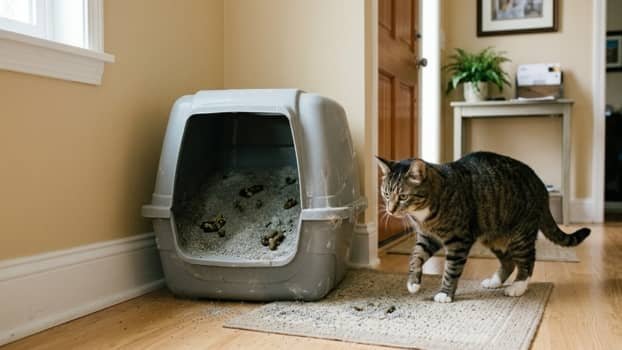
If the litter box starts to look like this between cleanings, it is a sign that your current scooping routine may not be enough.
If the box smells sooner than expected, waste is building up faster than your routine can handle. That can happen with several cats, a smaller box or a litter that doesn’t absorb well. Warm rooms and enclosed spaces can make odor build faster too. An extra quick scoop during the day is usually enough to keep up.
FAQ
How often should you scoop a litter box for one cat?
At least once a day. Twice a day keeps odor under control and makes the box more comfortable to use.
How often should you scoop a litter box for two cats?
Aim for twice a day if they share a box. Waste builds up faster, even if the box looks clean at first. Our guide on whether two cats can share a litter box covers the rest of the setup.
Can you skip a day without scooping the litter box?
Skipping a day lets waste sit longer, which can mean more odor and more buildup in the box. Some cats may also avoid a box that isn’t clean.
Do automatic litter boxes replace daily scooping?
They reduce it, but they still need regular maintenance: emptying the waste drawer and cleaning the box. The best automatic litter box roundup compares the strongest options, and the how to clean an automatic litter box guide explains the maintenance.
Why does the litter box still smell even after scooping?
Odor can come from small bits of waste left behind, litter that’s due for replacement, or buildup on the box itself. Replace the litter as its package directs, and wash the box regularly. Our guide to the best way to clean a litter box covers the deep clean, and our guide to the best cat litter for odor control covers which litters handle smell best.