Disclaimer: This post may contain affiliate links. As an Amazon Associate, we earn from qualifying purchases.
Bringing home a kitten sounds simple until the litter box setup starts going wrong.
A litter box for kittens isn’t just a smaller version of an adult setup. Starting with a simple low-entry litter box makes the process much easier from the beginning. If the box is too tall, too enclosed, or paired with the wrong litter, kittens can miss it, avoid it, or turn it into a mess within days.
The right litter box for kittens is low, open, and matched to their age so they can use it easily without hesitation.
Page Contents
ToggleThe tricky part is that what works for an 8-week-old kitten won’t work the same way a few months later. That’s where most setups fall apart. The box that worked at first suddenly leads to accidents, tracking, or confusion.
This guide breaks it down in a practical way, covering what to use at each stage, how to avoid the most common problems, and what to change when things stop working.
Quick Answer: What Is the Best Litter Box for Kittens?
The best litter box for kittens is a low-entry, open-top box with sides around 2 to 3 inches high, paired with non-clumping, unscented litter. A simple shallow stainless steel litter box is usually the easiest way to get started.
This setup makes it easy for kittens to get in and out, reduces fear, and helps prevent accidents while they are still learning.
Kittens under 10 weeks need very shallow boxes they can step into without climbing. As they grow, you can gradually move to a larger box with slightly higher sides, but keeping it open is still important to avoid hesitation.
Avoid covered litter boxes and high-sided designs at this stage. These often cause confusion or make kittens avoid the box entirely.
Why the Wrong Litter Box Causes Problems for Kittens

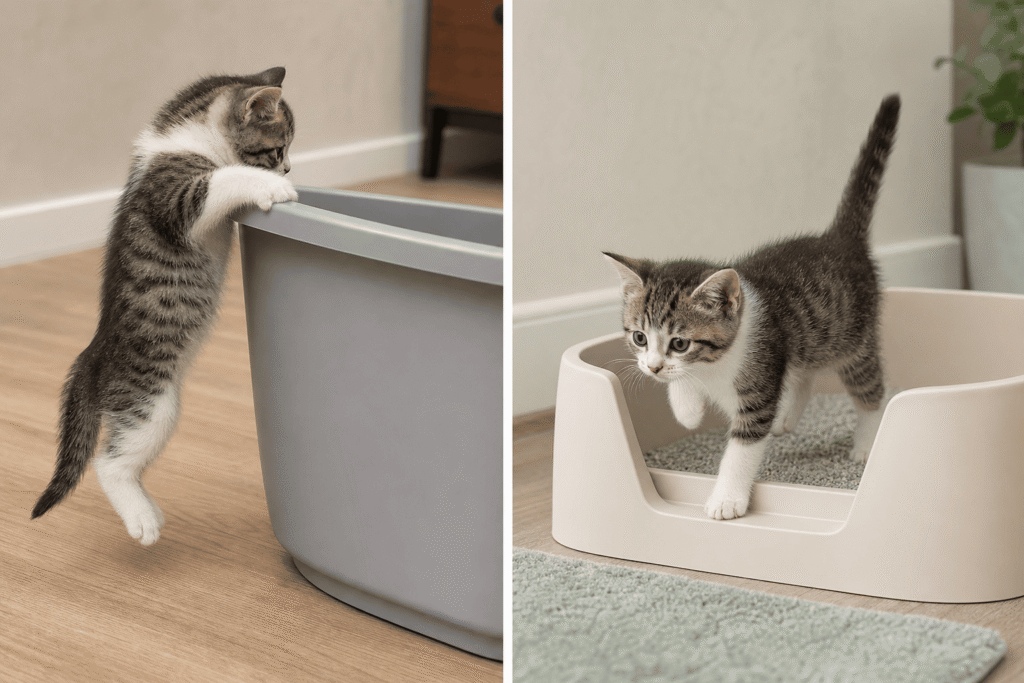
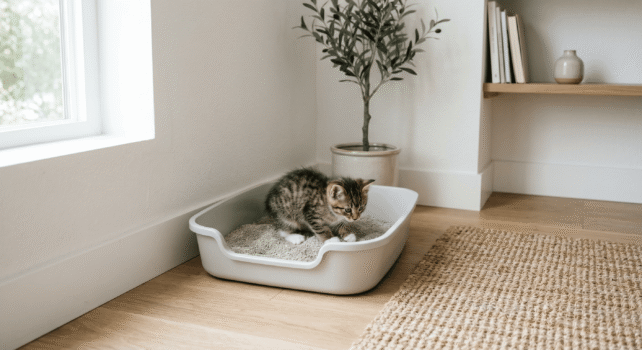
A high-sided litter box can be hard for kittens to use, while a low-entry design makes access much easier.
Most litter box issues with kittens don’t come from behavior. They come from a setup that doesn’t match what a kitten can physically or mentally handle yet.
The most common problem is entry height. A standard litter box often has sides that are simply too tall. A small kitten has to climb or jump to get in, and that alone can lead to hesitation or accidents nearby.
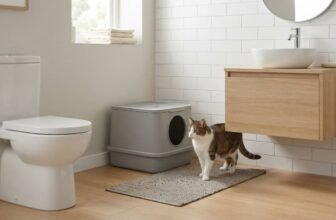
Enclosed boxes create a different issue. A covered space can feel restrictive or unfamiliar, especially for a kitten that is still figuring out where it is safe to go. If the box feels confusing or hard to escape from, they will avoid it.
Box size also matters more than it seems. When the space is too small, kittens struggle to turn around properly. This is where you start seeing them step in their own mess or track it out of the box.
Litter plays a role too. Some kittens try to taste or play with it, and certain textures make that more likely. If the experience feels strange or uncomfortable, they may stop using the box consistently.
All of this leads to the same result. The kitten doesn’t fully trust the setup yet, so they go somewhere easier instead.
That’s why getting the setup right from the start matters. And more importantly, adjusting it as the kitten grows makes a big difference.
Litter Box for Kittens by Age
Kittens change fast. The setup that works one month can start causing problems the next if nothing is adjusted.
8 to 10 Weeks Old: Keep It Simple and Easy

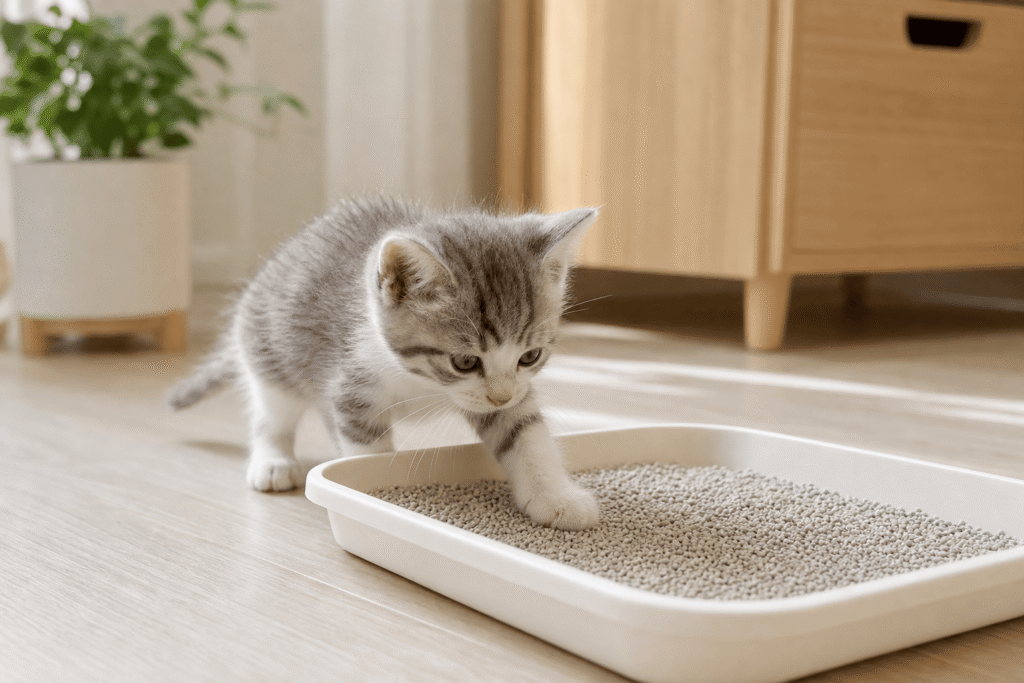
A low-entry litter box helps young kittens learn quickly without struggling to climb in.
At this stage, everything needs to be as easy as possible.
Use a very shallow, open litter box with an entry height around 2 to 3 inches. A small tray or low-sided plastic box works well. The goal is zero effort to get in and out.
Keep the space open. No lids, no doors, no enclosed designs. Kittens need to see exactly where they are going and feel like they can leave quickly.
Place the box close to where the kitten spends most of their time. If they have to travel too far, they may not make it in time.
This is also the stage where non-clumping, unscented litter is the safest choice.
10 to 16 Weeks: Start Adding Structure
As kittens grow, their coordination improves and they can handle slightly higher sides.
You can move to a slightly larger box with a bit more depth, but still keep one side low for easy entry. This helps contain some of the mess without making access difficult.
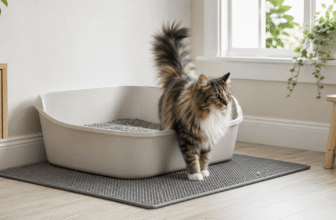
This is also when digging and kicking behavior increases. If litter is getting thrown everywhere, a box with higher back or side walls can help, as long as the front entry stays low.
Keep the box open. Covered boxes still cause hesitation at this stage.
4 to 6 Months: Transition Phase
By this point, most kittens can physically use a standard litter box, but that doesn’t mean you should switch everything at once.
Start introducing a larger box alongside the original one. Let the kitten choose and get used to it gradually.
If you plan to use a covered box long term, this is the time to test it without forcing the change. Remove doors or flaps at first so it feels open.
Watch for any change in behavior. If accidents start happening again, the transition is moving too fast.
How to Transition Your Kitten to a New Litter Box
At some point, your kitten will outgrow the first litter box setup. The mistake most people make is changing everything at once.
That’s when accidents suddenly start again.
The easiest way to avoid that is to introduce the new box slowly instead of replacing the old one right away.
Start by placing the new litter box next to the original one. Keep the same litter inside so nothing else feels different. Let your kitten explore it on their own.
For a few days, keep both boxes available. Most kittens will start using the new one naturally once they feel comfortable with it.
If you’re switching to a higher-sided box, make sure the entry is still easy to step into. If it feels harder to use, your kitten may go back to the old spot or avoid the box completely.
Covered boxes should be introduced even more gradually. Start without the lid or door so it still feels open. Once your kitten is using it consistently, you can add the cover later.
Watch for any changes in behavior during the transition. If your kitten starts missing the box again, slow things down and go back to what was working before.
A smooth transition keeps the habit consistent, which is the most important part of litter training.
Where to Put a Litter Box for Kittens
Placement makes a bigger difference than it seems. A good litter box in the wrong spot can still lead to accidents.
Keep the box close to where your kitten spends most of its time, especially in the first few weeks. If the box is too far away, kittens often won’t make it in time.
Avoid loud or high-traffic areas. Washing machines, busy hallways, or near food bowls can make the space feel uncomfortable. A quiet corner works much better.
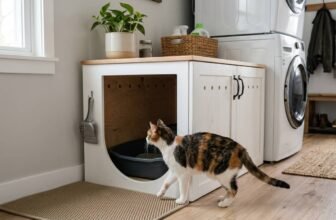
In smaller homes or apartments, this can be tricky. A bathroom corner, bedroom edge, or even a tucked-away spot in the living room works as long as it’s easy to reach and not constantly disturbed.
If your kitten has accidents in a specific spot, placing a litter box there temporarily can help reinforce the habit. Once they start using it consistently, you can slowly move it to a better location.
If you have the space, using two litter boxes early on makes things much easier. It gives your kitten more chances to get it right while they are still learning.
Common Litter Box Problems With Kittens (and How to Fix Them)
Even with a good setup, problems can still show up. The key is figuring out what’s actually causing it, because the fix depends on the reason.
Kitten Missing the Litter Box
When a kitten goes just outside the box, it usually comes down to access or timing.
If the sides are too high, they may not get in fast enough. If the box is too far away, they may not reach it in time. Kittens don’t plan ahead, so distance matters more than people expect.
Fix it by lowering the entry and moving the box closer to where the kitten spends most of its time. In some cases, adding a second box in another spot solves the problem immediately.
Kitten Scared of the Litter Box
Hesitation, backing away, or avoiding the box often points to fear.
This usually happens with covered boxes, enclosed spaces, or anything that limits visibility. A flap door can make it worse because it feels like something is blocking the exit.
Switch to a fully open box and keep the area quiet. Once the kitten uses it confidently, you can think about changes later.
Kitten Stepping in Poop or Tracking Mess Everywhere
This is one of the most frustrating issues, and it often comes down to space.
If the box is too small, the kitten can’t turn around properly. That’s when they step in waste or drag it out on their paws.
Move to a larger box with more room inside. You can also place a simple mat or towel outside the box to catch litter and reduce tracking.
Kitten Playing in the Litter Box
Kittens treat almost everything like a toy, including litter.
This becomes a problem when they start digging constantly, rolling in it, or spreading it outside the box.
A deeper box with slightly higher sides can help contain the mess, but keep the front entry low. Also make sure the kitten has enough playtime outside the box so it isn’t using the litter area as entertainment.
Kitten Trying to Eat Litter
This one needs immediate attention.
Some kittens chew or swallow litter out of curiosity. Clumping litter is especially risky at this stage because it can cause blockages if ingested.
Switch to a non-clumping option right away if you haven’t already. Paper, wood, or pellet-based litter is much safer while the kitten is still exploring everything with its mouth.
Kitten Suddenly Stops Using the Box
If a kitten was using the box and then stops, something changed.
It could be the box itself, the location, the litter, or even the surrounding environment. Loud noises, new pets, or moving the box can all cause setbacks.
Go back to the previous setup that worked and reintroduce changes slowly. If the behavior continues, it’s worth ruling out medical issues as well.
Choosing the Right Litter Box for Kittens (What Actually Matters)
Now that the common problems are clear, the features that matter become much easier to understand.
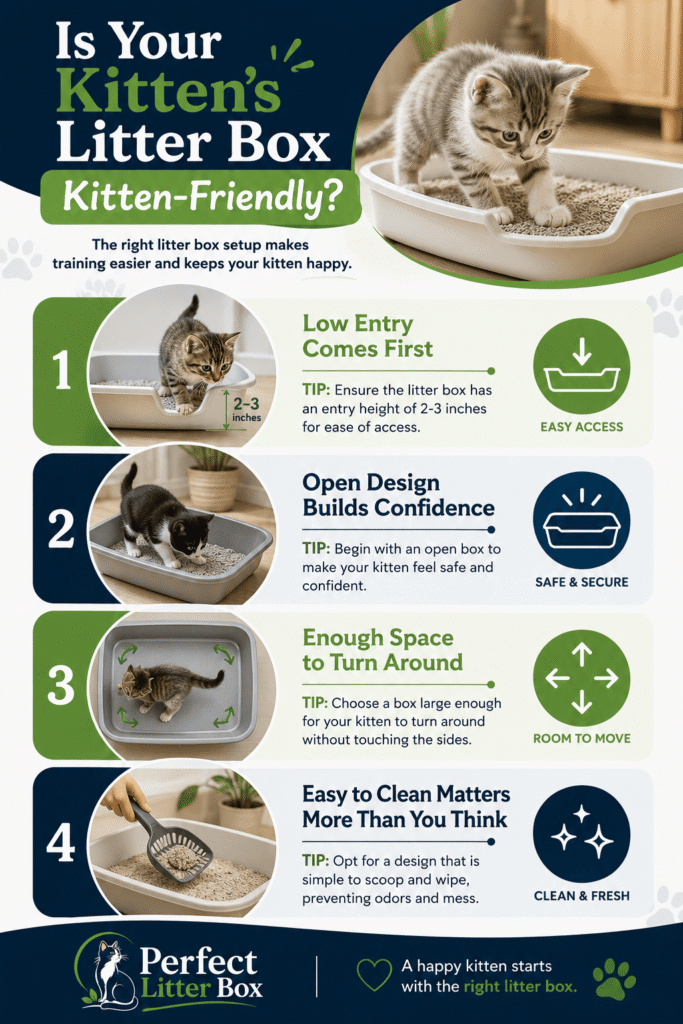
Low Entry Comes First
If a kitten struggles to get in, nothing else matters.
Look for a box with an entry height around 2 to 3 inches for younger kittens. Even as they grow, keeping one side lower makes a big difference.
Open Design Builds Confidence
An open box makes it easier for kittens to understand where they are going and feel safe while using it.
Covered boxes can work later, but early on they often create hesitation or avoidance.
Enough Space to Turn Around
A cramped box leads directly to mess and frustration.
The kitten should be able to turn fully without touching the sides. This reduces accidents inside the box and helps keep everything cleaner.
Easy to Clean Matters More Than You Think
Kittens use the litter box frequently, and mess builds up fast.
A simple design that’s easy to scoop and wipe down will save time and prevent odor from becoming an issue.

Real-World Setup That Works (Simple and Effective)
At this point, it helps to picture a setup that actually works in a normal home.
For a young kitten, a simple shallow plastic tray placed in a quiet corner works better than most expensive options. Keep it close, keep it open, and keep it easy to access.
As the kitten grows, you can upgrade to a larger box with higher sides while keeping that same basic idea. Easy entry, open space, and enough room inside.
If space allows, having two boxes in different spots makes things much easier during the early stages.
Recommended Litter Boxes for Kittens (Simple Options That Actually Work)
At this point, the goal isn’t to find the most advanced litter box. It’s to match the box to what your kitten actually needs right now.
Here are a few types that work well in real setups.
For Very Young Kittens (8 to 10 Weeks)
A low-entry litter box makes the biggest difference at this stage.
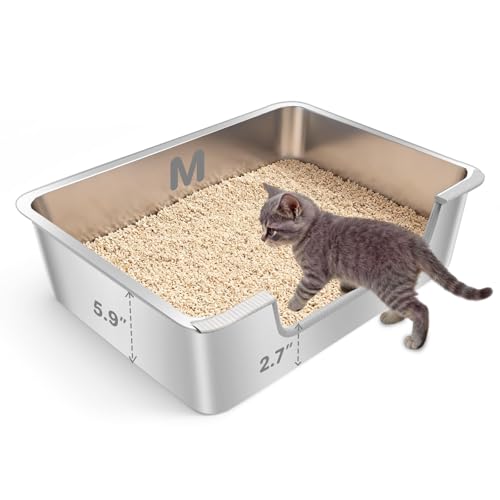
One good example is a shallow stainless steel tray like this low-entry model from Amibud. It’s only about 2.7 inches high, which means a small kitten can step in without climbing or hesitating.
That small detail matters more than anything else early on. If a kitten struggles even slightly to get into the box, accidents usually happen right next to it.
The size also works well for young kittens. It’s compact enough to feel easy to use, but still gives them enough space to turn around without stepping in a mess.
For Growing Kittens (3 to 5 Months)
As kittens get bigger, space inside the box starts to matter more.
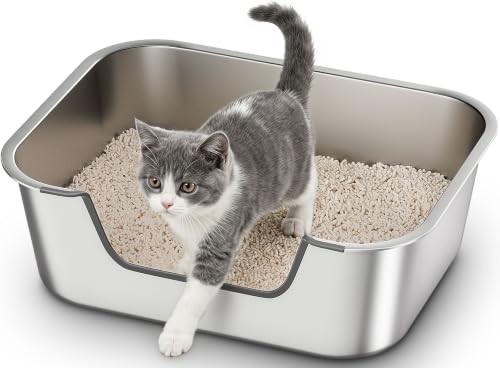
A slightly deeper stainless steel box like the Volope 15.7 x 11.8 inch model gives more room while still keeping access easy. The sides are higher than a starter tray, but still low enough for most kittens to step over comfortably.
This kind of box works well during the transition phase. It reduces mess compared to very shallow trays, but doesn’t create the hesitation that fully enclosed boxes can cause.
It’s also a good option if you want something that will last longer instead of replacing the box again in a few weeks.
For Messy Kittens That Kick Litter Everywhere
Some kittens turn the litter box into a digging project.
In that case, a higher-sided design helps contain the mess without blocking access. A setup like the TENTIZON stainless steel box with raised sides and a lower front entry is built for exactly this situation.
The higher walls keep litter from being kicked out, while the lower front makes it easy to step in. The included mat also helps catch litter from paws before it spreads across the floor.
This type of box works especially well once kittens become more active and start digging more aggressively.
A Simple Setup That Works for Most Homes
A reliable setup doesn’t need to be complicated.
Start with:
- one low-entry open litter box
- placed close to where the kitten spends time
- a small mat or towel outside the box
As your kitten grows, you can switch to a larger or higher-sided option without changing the overall setup.
If you have space, adding a second box makes things much easier and helps prevent accidents while your kitten is still learning.
FAQ: Litter Box for Kittens
What type of litter box is best for kittens?
A low-entry, open litter box works best for kittens. The sides should be around 2 to 3 inches high so they can step in easily without climbing. Open designs help kittens feel safe and avoid confusion during training.
Can kittens use a regular litter box?
Most standard litter boxes are too tall for young kittens. They may struggle to climb in or avoid using it altogether. Once a kitten is around 4 to 6 months old, they can usually transition to a regular-sized box.
At what age can kittens use clumping litter?
Kittens should use non-clumping litter until they are at least 3 to 4 months old. Younger kittens may try to eat litter, and clumping types can cause blockages if swallowed.
Why is my kitten not using the litter box?
This usually comes down to the setup. Common causes include a box that is too tall, too small, placed too far away, or located in a noisy area. Fixing the setup usually solves the problem quickly.
How many litter boxes should a kitten have?
One kitten should have at least one litter box, but two makes things easier during training. Having more than one option helps prevent accidents, especially in larger spaces or during the early stages.
If you’re setting up for more than one cat, this changes. A simple rule is one box per cat, plus one extra. You can read a full breakdown in this guide on how many litter boxes per cat.
Should I use a covered litter box for a kitten?
Covered litter boxes are not ideal for young kittens. They can feel enclosed and harder to escape from, which leads to hesitation or avoidance. Open boxes work better until the kitten is fully comfortable.
Final Thoughts
Setting up the right litter box for kittens doesn’t have to be complicated, but the details matter more than most people expect.
A simple, low-entry, open litter box solves most early problems. From there, small adjustments as your kitten grows make a big difference in avoiding accidents, mess, and confusion.
If something isn’t working, it’s usually not the kitten. It’s the setup. Changing the box size, lowering the entry, or moving the location often fixes the issue quickly.
As your kitten gets older, you can move to a larger or higher-sided box, but doing it gradually helps keep the habit consistent. That consistency is what makes litter training stick.
If you’re still dealing with mess or odor as your kitten grows, it’s worth looking at a few additional adjustments. This guide on litter box odor solutions can help you fine-tune your setup further.
The goal is simple. Make the litter box easy to use, easy to find, and easy to trust. Once that’s in place, everything else becomes much easier.