
Disclaimer: This post may contain affiliate links. As an Amazon Associate, we earn from qualifying purchases.
Last updated on October 31, 2026
Where to put a litter box matters almost as much as the box itself. A cat that doesn’t like the spot may start going somewhere else, even if the box is clean.
The good news is that cats aren’t fussy about the room. They care about how the spot feels: quiet, easy to reach, and safe to leave in a hurry.
Here’s what to look for, which rooms work best, where to avoid, and how to move a box with less disruption.
The best place to put a litter box is a quiet, easy-to-reach spot away from your cat’s food and water, with more than one way out and no loud appliances right beside it. In a home with several floors or several cats, spread boxes across different areas instead of lining them up in one spot.
Quick Picks
Second Box for Another Floor: IRIS USA Extra Large Open Top Litter Box
Furniture for a Living Area: Homhedy Litter Box Enclosure with Barn Door
Mat to Catch Tracked Litter: Large Silicone Cat Litter Mat
What Makes a Good Litter Box Spot
Quiet, but not cornered. The ASPCA says cats like a quiet location that doesn’t leave them feeling trapped. Choose a spot where your cat can see who’s approaching and leave without being blocked by another pet.
More than one way out. Cats like an escape route in case they need to leave quickly. That matters most if you have another cat, a dog, or small kids.
Away from food and water. The ASPCA advises keeping food bowls somewhere other than right next to the litter box.
Easy for your cat to reach. Put the box where your cat already spends time, not in a far corner of the house. Kittens and senior cats need it especially close.
Easy for you to clean. AAHA recommends scooping daily. A box you can reach without moving furniture is a box that gets scooped.
Some airflow. A spot where air moves keeps odor from building up around the box.
The Best Rooms for a Litter Box
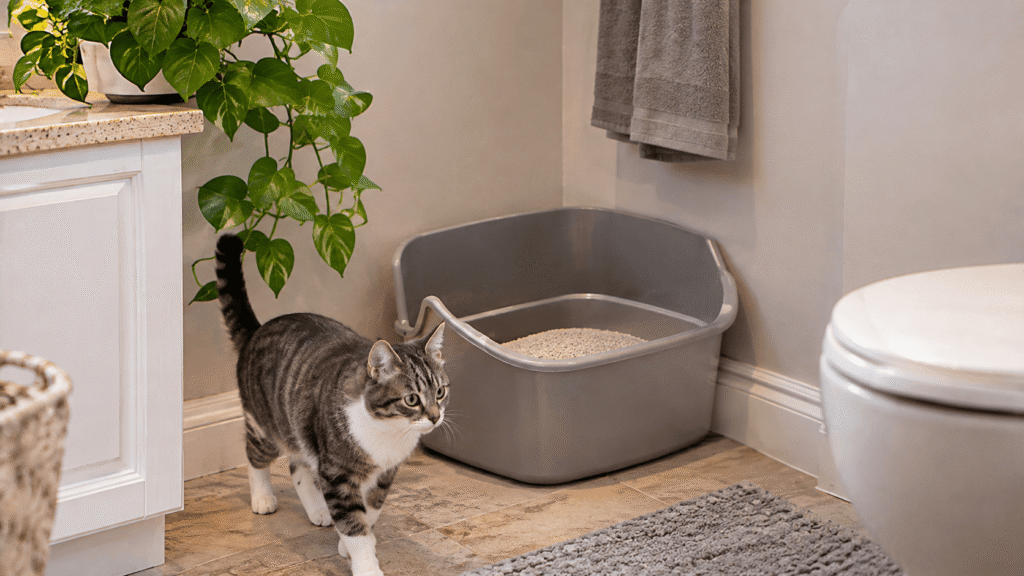
Bathroom. It’s the most popular choice, and for good reason: hard floors, and you’re already there every day. Just make sure the door can’t swing shut and lock your cat out. If the room is tight, a litter box for small bathrooms can fit where a standard one won’t.
Spare bedroom or home office. These are usually quiet and private, which makes them a great spot if your cat can always get in.
Laundry room. It works if the box isn’t right beside the machines. The ASPCA specifically advises keeping boxes away from loud spots like next to the washer and dryer. A spin cycle starting while your cat is in the box can make it avoid that spot.
Your bedroom. This can work if it’s quiet and your cat has access at all times. Choose a spot away from the bed where you can clean the box easily.
Living room. It can work in a quiet corner, and furniture enclosures make it look like a side table or cabinet. Just keep it out of the main walkway, especially when placing a litter box in a small apartment.
Basement. Only if your cat is comfortable going down there and the door always stays open. Stairs can be hard for older cats, so a basement box shouldn’t be their only box.
Garage. It’s generally a last resort. Garage doors and temperature swings can make it hard to guarantee your cat can always get in comfortably.
Where Not to Put a Litter Box
Next to food and water bowls. Keep them in a different part of the room at least, or in a different room.
Right beside loud appliances. That includes washers, dryers, furnaces, and dishwashers.
In a busy hallway or entryway. Constant foot traffic makes your cat feel exposed and interrupted.
In a sealed cabinet or behind a closed door. Odor builds up, and your cat can get shut out. If you want to hide the box, block the view, not the airflow.
In a dead end where another pet can corner your cat. If a dog or another cat can trap your cat in the box, your cat may start avoiding it.
Litter Box Placement With More Than One Cat or Floor
The ASPCA and AAHA both recommend one litter box per cat, plus one extra. So two cats need three boxes, and this guide to the best litter box for multiple cats can help you pick them.
Spread them out. AAHA recommends multiple quiet, convenient locations. Boxes lined up side by side in one room work almost like one big box. If one cat guards that room, the other cat has nowhere else to go.
In a home with more than one floor, the ASPCA says you may need a box on each level. That’s especially true for kittens, senior cats, and cats that spend most of their day upstairs or downstairs.
How to Move a Litter Box
Cats are creatures of habit, so a sudden move can lead to accidents near the old spot. The ASPCA suggests setting up a box in the new location rather than just taking the old one away.
- Put a second box with the same litter in the new spot.
- Leave the old box where it is until your cat is using the new one regularly.
- Then remove the old box, and clean the old spot well so it doesn’t smell like a bathroom.
If you can’t add a second box, move the box gradually, a short distance at a time, so it stays where your cat expects to find it. If your cat starts going where the old box used to be, put a box back there for a while and move it more slowly.
If your cat suddenly starts going outside the box, arrange a veterinary check rather than assuming the location is the only problem.
Products That Help With Placement
IRIS USA Extra Large Open Top Litter Box
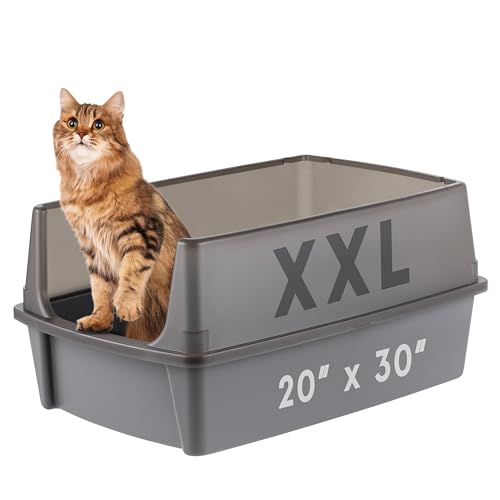
If your home has more than one floor or more than one cat, a second box is the easiest fix. The IRIS XXL is a roomy open-top box with high sides that help contain scattered litter. Check the entrance height if you’re buying it for a kitten or senior cat.
Know before you buy: it’s big, so measure the spot first.
Best for: a second box on another floor, or a spare room.
Homhedy Litter Box Enclosure with Barn Door

If the only good spot is in a living area, furniture can hide the box. Reviewers widely say it passes for real furniture, and several confirm an XL box fits inside with room to spare. The entrance can go on either side, so you can face it away from the walkway.
Know before you buy: any enclosure can hold odor, so keep it in a spot with some airflow and scoop daily. Some cats dislike enclosed spaces, especially if another pet can block the entrance. Make sure your cat has enough room to turn around and is comfortable using the enclosure.
Best for: living rooms, bedrooms, and anywhere guests will see the box.
Large Silicone Cat Litter Mat
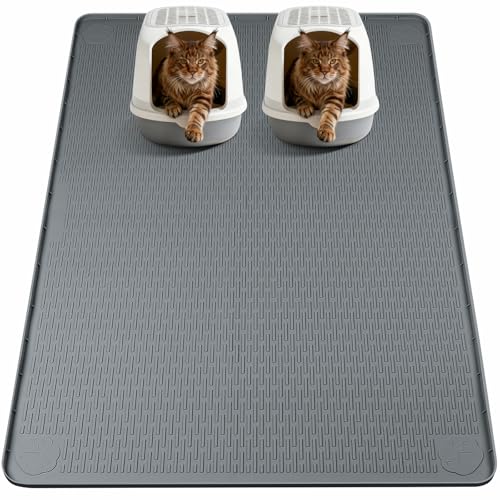
Wherever the box ends up, litter will travel out on paws. This mat is big enough for two large boxes, stays in place, and protects carpet from spills and misses.
Know before you buy: put it where your cat steps out, not just under the box.
Best for: carpeted rooms and bedrooms.
Frequently Asked Questions
Where is the best place to put a litter box?
A quiet spot your cat can easily reach, away from food and water, with a clear way out and no loud appliances right beside it. A bathroom, spare room, or quiet bedroom corner works in most homes.
Can I put a litter box in my bedroom?
Yes, if it’s quiet and your cat can always get in. Put it away from your bed and scoop daily.
Should a litter box go in a corner?
A corner can work, as long as your cat can see out and leave easily. The ASPCA warns against spots that leave cats feeling cornered, so avoid tight dead ends where your cat can’t see who’s coming.
Can a litter box be in the kitchen?
It’s best not to. Food prep areas and your cat’s own food bowls should both stay away from the box. If the kitchen is your only option, keep the box as far from food areas as possible.
What is the golden rule for litter boxes?
One box per cat, plus one extra, spread across different spots in the home. The ASPCA and AAHA both recommend it.