Disclaimer: This post may contain affiliate links. As an Amazon Associate, we earn from qualifying purchases.
Last updated on October 31, 2026
Learning how to litter train a kitten is mostly about setup and timing. Kittens are born with the urge to dig and bury their waste, so you’re not teaching a new skill. You’re making the right spot easy to find.
A box that’s too far away, too tall, or not clean enough can make training harder. Fixing those issues gives your kitten a better chance of catching on quickly.
Here’s what you need, the steps to follow, and what to do when accidents happen.
To litter train a kitten, keep it in a small space with a low, open litter box, place it in the box after it wakes up, eats, or plays, and praise it when it goes. Clean accidents with an enzyme cleaner and scoop the box daily.
Quick Picks
Low-Entry Litter Box: IXARO Ultra-Low Entry Stainless Steel Litter Box
Unscented Clumping Litter: Boxie Premium Unscented Clumping Cat Litter
Enzyme Cleaner for Accidents: Hepper Advanced Bio-Enzyme Pet Stain & Odor Eliminator
What You Need
IXARO Ultra-Low Entry Stainless Steel Litter Box
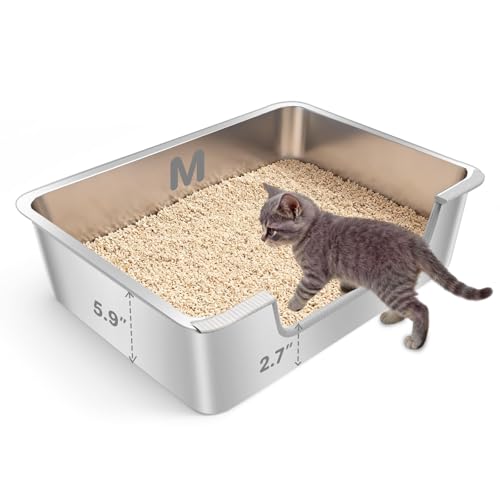
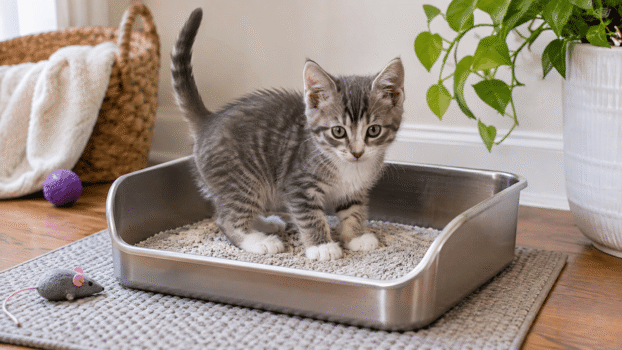
A kitten needs to walk into the box without climbing. The IXARO has a front entry about 2.7 inches high, making it easier for small kittens to step inside. Reviewers with very young kittens say it was the box their kittens could use without trouble. The open top also lets a nervous kitten see around it.
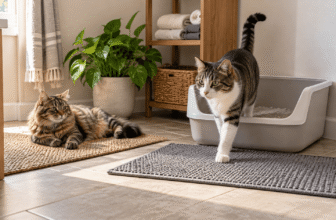
Know before you buy: a low front lets more litter out, so put a mat under it.
Best for: the first weeks of training.
Boxie Premium Unscented Clumping Cat Litter

AAHA suggests starting kittens with unscented clumping litter, the litter they used before, or both. Boxie Premium is an unscented clumping clay, and Boxie prints its own age directions for kittens on the package.
Know before you buy: check those age directions first. Many rescue groups use non-clumping litter, like unscented paper pellets, for very young kittens, because kittens explore with their mouths. If your kitten eats litter, ask your vet which type to use.
Best for: kittens old enough for the age directions on the bag, and owners who want the litter their kitten will keep using.
Hepper Advanced Bio-Enzyme Pet Stain & Odor Eliminator

Accidents will happen. An enzyme cleaner breaks down urine instead of covering it up, so the spot is less likely to smell like a bathroom to your kitten. Reviewers say Hepper works on cat urine and leaves only a mild scent once it dries.
Know before you buy: test it on a hidden spot of carpet or fabric first.
Best for: cleaning any spot your kitten uses outside the box.
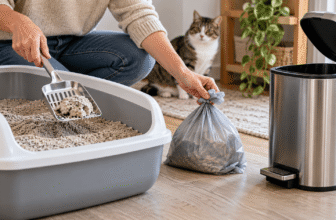
You’ll also want a scoop and a trash bag or small bin nearby, so scooping becomes a habit.
How to Litter Train a Kitten, Step by Step
1. Start in one small room
A kitten in a big house can’t always reach the box in time. Kitten Lady advises keeping kittens 3 to 8 weeks old in a single room. A bathroom or spare room works well.
Put the bed, food, water, and box in that room, with the box away from the food.
2. Set up a low, open box in a quiet corner
AAHA says a litter box for kittens should have edges low enough for a kitten to get in and out easily. Kittens also like corners, so a quiet corner of the room is a good spot.
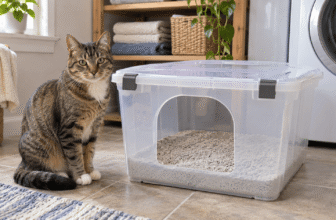
Skip covers and flaps for now. They can make a young kitten hesitate.
3. Fill it with the right litter
Use an unscented litter, following the age directions on the bag. These picks for the best cat litter for kittens are a good place to start. Very young kittens may need a non-clumping option, since they sometimes taste the litter. If your kitten came from a breeder or shelter, start with the litter it already knows.
Fill to the depth the litter bag recommends.
4. Place your kitten in the box at the right times
Kittens usually need to go soon after they wake up, eat, or play hard. Gently set your kitten in the box at those times.
If it doesn’t dig, lightly scratch the litter with your finger to show it what to do. Then let it explore without holding it there.
5. Praise it, and never punish
When your kitten uses the box, offer calm praise or a gentle pet. AAHA says cats should never be reprimanded for going in the wrong place.
Scolding or rubbing a kitten’s nose in a mess teaches it to fear you, not to use the box.
6. Scoop every day
AAHA recommends scooping daily. A clean box is more inviting, and it lets you see that your kitten is peeing and pooping normally.
7. Give more space slowly
Once your kitten uses the box reliably, open up one more room at a time. Kitten Lady suggests keeping older kittens within about 10 feet of a box when they have more of the house. This guide on where to put a litter box helps you pick good spots.
For more than one cat, AAHA recommends one box per cat plus one extra.
Training a Very Young Kitten
Kitten Lady says kittens start using a litter box at around 3 weeks old. Younger kittens can’t go on their own and need to be stimulated after each feeding, the way a mother cat would.
If you’re caring for a kitten that young without its mother, talk to your vet or a local rescue about feeding and stimulation. Then introduce a shallow box once your kitten starts moving around.
What to Do About Accidents
Stay calm and clean the spot right away with an enzyme cleaner. Then look at what might have caused it.
If your kitten keeps using the same spot, put a box there for a while. If it goes right next to the box, the entry may be too high or the box may be too dirty.
If your kitten has accidents far from the box, it may have too much space too soon. Try returning to one room while you work on the routine.
If your kitten repeatedly tries to pee but produces little or no urine, strains, or cries in the box, seek emergency veterinary care. These can be signs of a urinary blockage. If accidents keep happening without these symptoms, arrange a veterinary checkup to rule out a medical problem.
Frequently Asked Questions
How long does it take to litter train a kitten?
There’s no set timeline. Many kittens use the box from the first day because the instinct is already there. Others need a few weeks of good timing and a small space. Age matters too. Very young kittens take longer than kittens that are already weaned.
What age should you start litter training a kitten?
Kitten Lady says around 3 weeks old, when kittens start eliminating on their own. A kitten adopted at 8 weeks or older has usually started already. You’re just teaching it where the box is in your home.
Should I put my kitten in the litter box?
Yes, gently, after it wakes up, eats, or plays. Don’t hold it in the box or force it to dig. The goal is to help it find the box, not to make the box feel like a trap.
Why is my kitten peeing outside the litter box?
Often it’s the setup: the box is too far, too high, too dirty, or the kitten has too much space. Fix those first. If accidents continue, or your kitten seems to strain or cry, see your vet. AAHA advises having a vet check kittens that soil the house.
What is the 3-3-3 rule for kittens?
It’s a general guideline shelters use for newly adopted cats: about 3 days to decompress, 3 weeks to learn the routine, and 3 months to feel at home. It’s about settling in, not a litter training schedule. Some kittens settle much faster.