Small Litter Box: What to Look for Before You Buy

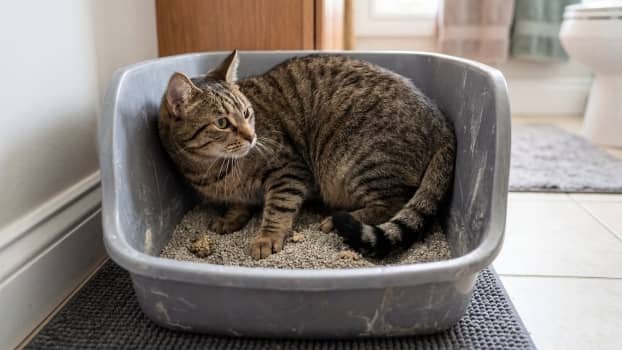
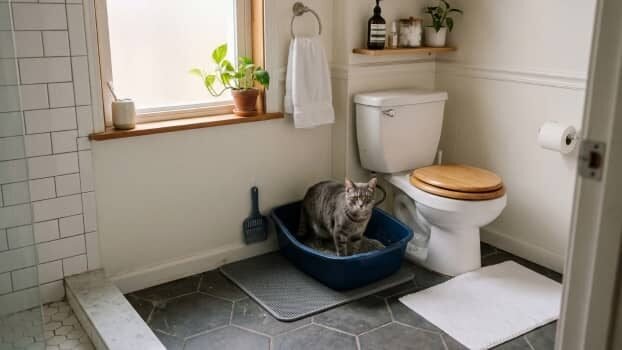
small litter box setup in a tight bathroom space with cat

Disclaimer: This post may contain affiliate links. As an Amazon Associate, we earn from qualifying purchases.

It’s easy to choose a small litter box based on size alone.

small litter box setup in a tight bathroom space with cat

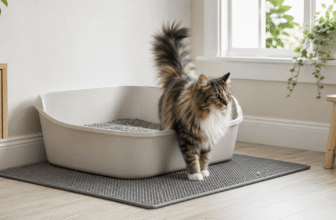
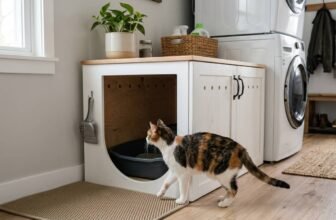
A small litter box can work well in tight spaces, but the setup and design make all the difference for keeping things clean and comfortable.

You find one that fits the space, bring it home, and assume that’s all there is to it. But once your cat starts using it, litter ends up outside the box, it starts to feel dirty much faster than expected, or your cat doesn’t seem completely comfortable using it.

That’s usually the point where you realize there’s more to a litter box than just size. The way your cat uses it matters just as much. Some cats need higher sides to keep litter contained, others do better with an open box or a different entry style.

A small litter box can work well in a tight space, but only if you know what to look for before you buy one.

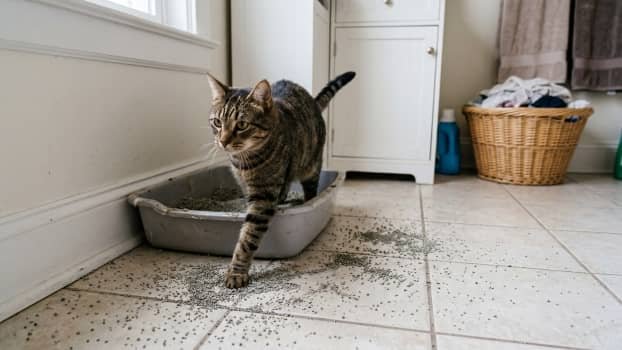
cat stepping out of small litter box with litter scattered on floor

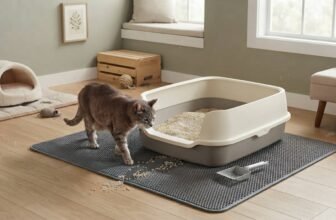
Litter tracking is a common issue with a small litter box, especially when cats step out and scatter litter onto the floor.

What to Look for in a Small Litter Box

Don’t choose a litter box based on size alone. The way it’s designed makes just as much of a difference once your cat starts using it.

Enough Room Inside a Litter Box

A small litter box needs enough room for your cat to turn and settle comfortably without feeling cramped.

Even in a small litter box, your cat needs enough space to turn and reposition comfortably.

Even in a smaller litter box, your cat still needs space to turn and get into position.

If the box feels tight inside, you’ll start to see awkward positioning or mess around the edges. A bit of extra length inside the box makes a noticeable difference in how clean and comfortable it stays.

Sides That Match Your Cat’s Behavior

Not every small litter box contains litter the same way.

Some cats dig gently, while others kick litter with force. If your cat tends to scatter litter, a small litter box with low sides won’t contain it. A design with higher sides helps keep everything inside instead of around the box.

At the same time, some cats prefer easier access, so a lower front entry can make a litter box easier to use.

Open vs Covered Small Litter Box Designs

The style of a litter box can affect whether your cat uses it comfortably.

Some cats prefer an open litter box where they can move freely. Others do fine with a covered small litter box that helps contain litter and reduce mess outside the box.

This comes down to your cat’s behavior. If they hesitate or avoid enclosed spaces, an open small litter box usually works better.

Choose a Small Litter Box That’s Easy to Clean

With a small litter box, cleaning happens more often.

Boxes with tight corners or curved edges can make scooping harder and leave waste behind. A simple shape makes it easier to reach every area and keep your litter box clean without extra effort.

Enough Depth in a Small Litter Box

A shallow layer of litter gets used up quickly in a small litter box.

When the box can hold a deeper layer, it stays usable longer between cleanings. It also helps keep waste covered and reduces how quickly the litter box starts to feel dirty.

Best Small Litter Box Types for Different Spaces

open covered and top entry small litter boxes with cats using each type

Different small litter box designs solve different problems, from easy access to better litter containment.

Once you know what to look for, choosing the right litter box becomes much easier.

Instead of focusing only on size, it helps to match the type of litter box to the space you’re working with and how your cat actually uses it.

Open Small Litter Boxes for Easy Access

An open small litter box is one of the simplest and most reliable options.

It works well in tight spaces where your cat needs easy access and enough room to move without feeling restricted. This type of small litter box is especially useful if your cat avoids enclosed areas or hesitates before going inside.

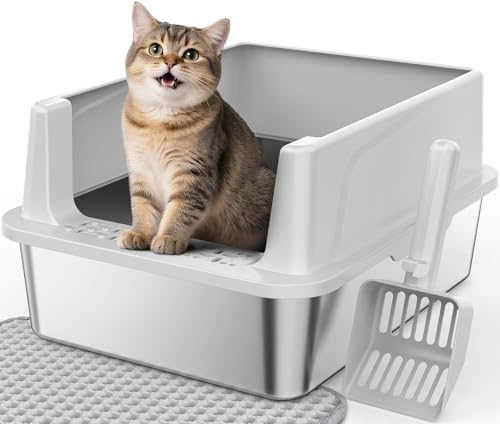
One example is a simple rectangular small litter box with higher sides and an open top, like the Amazon Basics large cat litter box. It offers enough interior space for your cat to turn comfortably while still fitting into a compact area, and the higher sides help keep litter contained during use.

open small litter box with high sides for easy access

View on Amazon

High-Sided Small Litter Boxes for Mess Control

If litter keeps ending up around the box, the sides are usually the reason.

In a litter box, there isn’t much space for litter to settle. When your cat digs or kicks, it gets pushed up and over the edge more easily. That’s where higher sides start to make a noticeable difference.

A small litter box with taller walls helps keep that movement contained inside the box instead of spreading onto the floor. This becomes especially helpful in tight spaces where even a small amount of scatter is hard to ignore.

Some designs go further by using deeper walls all around while keeping the front entry low enough for easy access. That balance makes a big difference in daily use.

One example is a high-sided small litter box like the Vealind large open litter box. It uses deeper walls to contain litter more effectively while still keeping an open design that’s easy for your cat to use.

sided small litter box to reduce litter scatter

View on Amazon

Covered Small Litter Boxes for Containment

A covered litter box can help keep litter and odor more contained in a tight space.

When the litter box sits in a shared area, even small amounts of scatter become noticeable. A covered design helps keep that contained inside the box instead of spreading around it.

This type of litter box also helps limit how far litter gets pushed during digging. The enclosed sides create a barrier that keeps most of that movement inside the box, which makes the surrounding area easier to manage.

One example is a covered small litter box with a front entry and enclosed sides, like the stainless steel model with a top exit and front opening. It keeps litter contained while still giving your cat a clear and easy way in and out.

That said, not every cat prefers a covered setup. If your cat hesitates or avoids enclosed spaces, an open litter box is usually the better option.

covered small litter box with front entry and top exit

View on Amazon

Top-Entry Litter Boxes for Tight Spaces

A top-entry small litter box controls mess in a different way.

Instead of entering from the side, your cat jumps in from the top. When they come back out, loose litter falls off their paws onto the lid instead of the floor. That simple change can make a noticeable difference in smaller spaces where tracking builds up quickly.

This type of small litter box works especially well in apartments or tight layouts where there isn’t much room around the box. The lid acts as a built-in surface that catches litter before it spreads.

One example is a top-entry small litter box like the IRIS USA model with a textured lid and wide opening. It’s designed to catch litter as your cat exits, which helps keep the surrounding area cleaner without taking up extra space.

That said, this setup works best for cats that are comfortable jumping in and out. Older cats or cats that prefer easy entry may do better with an open design.

top entry small litter box with textured lid to reduce litter tracking

View on Amazon

Corner Litter Boxes for Awkward Spaces

Some spaces don’t work well with a standard litter box shape.

Corners often get overlooked, but they can be one of the easiest places to fit a small litter box without it getting in the way. A corner design sits flush against two walls, which helps free up the rest of the room.

This type of small litter box works especially well in bathrooms, laundry areas, or tight layouts where a regular box would stick out too far.

One example is a corner small litter box like the IRIS USA enclosed corner model. It’s shaped to fit neatly into a corner while still giving your cat enough room to use it comfortably, and the enclosed design helps keep litter and odor contained.

Corner boxes tend to work best for small to medium cats. In tighter designs like this, larger cats may feel a bit restricted compared to a standard rectangular box.

corner small litter box designed to fit in tight spaces

View on Amazon

FAQ About Small Litter Boxes

Are small litter boxes bad for cats?

Small litter boxes aren’t always a problem, but they can cause issues if they don’t give your cat enough room to move comfortably. A small litter box works best when it still allows your cat to turn, dig, and settle without feeling cramped.

What size should a small litter box be?

A small litter box should still be long enough for your cat to turn around easily. In most cases, that means choosing a box that’s at least close to your cat’s body length, even if the overall footprint stays compact.

Do high-sided litter boxes reduce mess?

Yes, a litter box with higher sides helps keep litter contained, especially for cats that dig or kick. It reduces how much litter ends up outside the box, which is important in smaller spaces.

Are covered litter boxes better for odor?

A covered litter box can help contain odor inside the box, but it depends on your cat. Some cats prefer open designs, so the best option is the one your cat is comfortable using consistently.

Is a top-entry litter box a good idea?

A top-entry small litter box works well for reducing litter tracking because litter falls off your cat’s paws when they exit. However, it’s better suited for cats that are comfortable jumping in and out.

Final Thoughts on Choosing a Small Litter Box

Choosing a small litter box isn’t just about finding the smallest option that fits your space.

The design matters just as much as the size. A box with the right shape, entry style, and side height will stay cleaner, be easier for your cat to use, and work better in a tight setup.

If you’re dealing with litter scatter, higher sides make a difference. If space is limited, a top-entry or corner setup can help. And if your cat prefers open access, a simple open litter box is often the most reliable option.

A small litter box can work well, but the best results come from matching the box to your cat’s behavior and the space you’re working with.

If litter keeps ending up outside the box, it’s worth looking at a setup designed specifically for that problem. A high-sided litter box can make a noticeable difference in how much mess stays contained, especially for cats that tend to dig or kick.

Perfect Litter Box
Logo