Low Tracking Cat Litter: What Actually Works

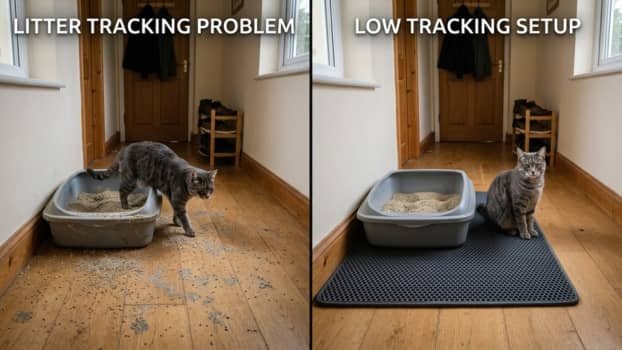
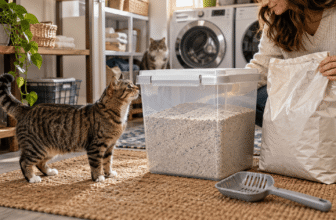
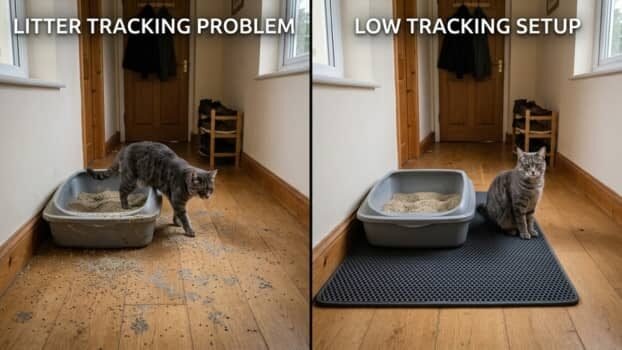
low tracking cat litter setup showing messy floor vs clean litter box area

Disclaimer: This post may contain affiliate links. As an Amazon Associate, we earn from qualifying purchases.

Litter tracking gets frustrating fast. It starts with a few pieces around the box, then somehow ends up in other rooms, on furniture, and even in your bed.

Low tracking cat litter is designed to reduce how much litter sticks to your cat’s paws and spreads around your home, using larger, heavier particles that fall off more easily instead of being carried across the floor.

Low tracking cat litter helps reduce the mess, but the litter itself is only part of the solution.

Some litters stay near the box, while others cling to paws or get kicked out during digging. Even when a bag says “low tracking,” results can vary depending on your setup.

That’s because tracking isn’t just about the litter. Paw moisture, particle size, and even how your cat leaves the box all play a role in how far litter spreads.

In this guide, you’ll learn what low tracking cat litter really means, which types track the least, and what actually makes the biggest difference when you’re trying to keep litter off your floors.

low tracking cat litter setup showing messy floor vs clean litter box area

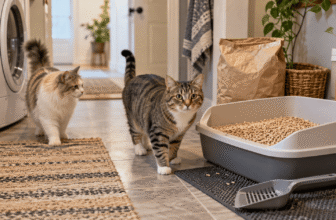
Litter tracking often starts right outside the box. A low tracking setup helps keep the mess contained in one area instead of spreading across your home.

What Actually Works

Low tracking cat litter reduces how much litter spreads outside the box by using larger, heavier particles that don’t stick easily to your cat’s paws.

Pellet litters track the least overall because the pieces are too large to get trapped between paw pads. Medium-grain clumping clay and larger natural litters also help reduce tracking compared to fine, sand-like options.

That said, no litter completely stops tracking. The amount of mess depends on a combination of litter type, your cat’s behavior, and how your litter box is set up.

If you want the biggest improvement quickly, switching to a larger-grain litter and adding a properly sized mat usually makes the most noticeable difference.

Why Litter Tracking Happens (And Why It Gets Everywhere)

Litter doesn’t just “fall out” of the box. It gets carried, kicked, and spread in a few very specific ways.

Once you understand what’s actually happening, it becomes much easier to reduce the mess.

Litter Sticks to Paws More Than You Think

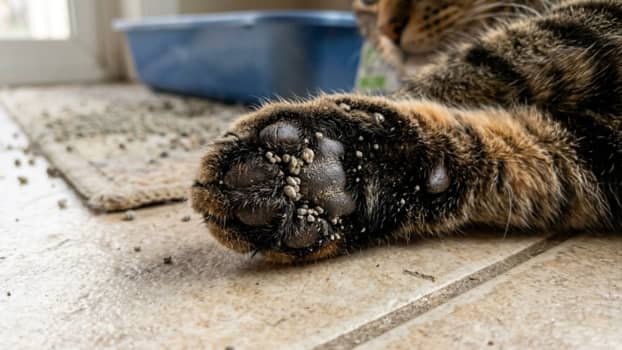
A cat’s paws aren’t smooth. The pads are slightly textured, and there’s often fur between the toes. That creates small spaces where litter can get trapped.

cat paw with litter stuck between paw pads causing litter tracking

Litter often gets trapped in your cat’s paw pads, which is why it gets carried out of the box and spread around your home.

When paws are even slightly damp, things get worse. Fine litter mixes with moisture and turns into a light paste that sticks instead of falling away right at the box.

That’s why you sometimes find litter far from the box instead of right beside it.

Fine Particles Are the Biggest Problem

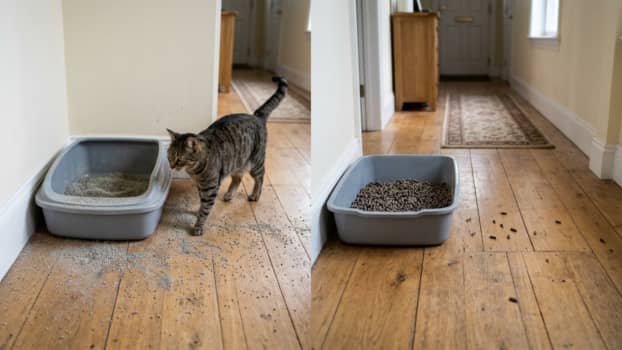
fine cat litter vs pellet litter showing difference in tracking and particle size

Fine litter spreads easily and gets carried out of the box, while larger pellet litter tends to stay near the box and track less.

The size of the litter makes the biggest difference in how much gets tracked.

Fine litter behaves almost like sand. It slips between your cat’s paw pads and stays trapped in their paws as they walk away from the box. Larger pieces cannot get stuck the same way, so they fall off quickly as your cat steps out.

That is why larger grain and pellet litters usually lead to a noticeable drop in tracking.

Dust and Static Make Tracking Worse

Even when you don’t see it, dust can still spread.

Very fine particles can cling to paws and fur, especially in dry conditions. Static electricity makes this worse, causing litter to stick instead of falling off naturally.

This is one reason tracking can feel worse in winter or in homes with dry air.

Some Cats Spread More Litter Than Others

Two cats using the same litter can create completely different levels of mess.

Cats that dig aggressively tend to kick litter out of the box before they even step out. Others move quickly or “jump” out of the box, carrying litter farther than expected.

Long-haired cats also tend to track more because litter gets caught in the fur around their paws and hind legs.

The “Exit Problem” Most People Miss

A lot of litter tracking happens right when your cat leaves the box.

If litter is stuck in their paws, it gets carried straight onto the floor as they step out. If they jump out, it can spread even farther around the area.

If there’s no mat or surface to catch it, the litter just gets spread across the floor and carried into other rooms before it finally falls out of their paws. If you want to fix this completely, you can also look at different litter tracking solutions that stop litter from spreading beyond the box.

What Actually Makes a Cat Litter Low Tracking

Low tracking cat litter isn’t just a label on the bag. It comes down to a few specific features that affect how the litter behaves when your cat uses the box.

Once you know what to look for, it becomes much easier to choose something that actually reduces the mess.

Particle Size

Particle size is the most important factor.

Larger pieces are less likely to get stuck in your cat’s paws, so they fall off sooner instead of being carried across the floor. Fine litter does the opposite. It fits between paw pads and stays there until it drops off somewhere else in your home.

This is why pellet litters and larger-grain options tend to track less than fine clay.

Weight and Density

Heavier litter stays in place better.

When a cat digs or covers waste, lightweight litter gets kicked out of the box more easily. Heavier particles are harder to move, so they tend to stay inside the box instead of ending up on the floor.

This becomes more noticeable with active cats that dig aggressively.

Dust Level

Dust plays a bigger role than it seems.

Even if the main litter pieces stay in the box, very fine dust can still stick to paws and fur. That dust gets carried out and spread around, even if you don’t notice it right away.

Lower dust formulas help reduce that layer of fine tracking that builds up over time.

Texture and Shape

The shape of the litter affects how it behaves once it leaves the box.

Smoother, rounder particles tend to roll across hard floors and spread farther. More solid or irregular pieces are more likely to stop near the box or get caught by a mat.

This is one reason some litters seem to “travel” more even when the particle size is similar.

Which Cat Litter Types Track the Least

Different types of litter behave very differently when it comes to tracking. The material, size, and weight all affect how much ends up outside the box.

If you’re looking for specific recommendations, you can also check out our guide to the best low tracking cat litter for options that stay closer to the box.

Pellet Litter (Lowest Tracking)

Pellet litter is the most effective option if tracking is your main problem.

The pieces are large and heavy, so they don’t get stuck in your cat’s paws the same way smaller litter does. Most of it stays in the box, and anything that does come out is easy to spot and clean up.

A simple example is Feline Pine Original, which uses compressed pine pellets. It keeps most of the mess near the box instead of spreading it across the floor.

The trade-off is that pellet litter usually doesn’t clump. It breaks down when wet, so the cleaning routine is a bit different.

Clumping Clay (Medium Tracking)

Clumping clay is the most common type of litter, but tracking depends heavily on the grain size.

Fine clay spreads the most, while medium-grain versions reduce how much sticks to paws. This makes a noticeable difference without completely changing your routine.

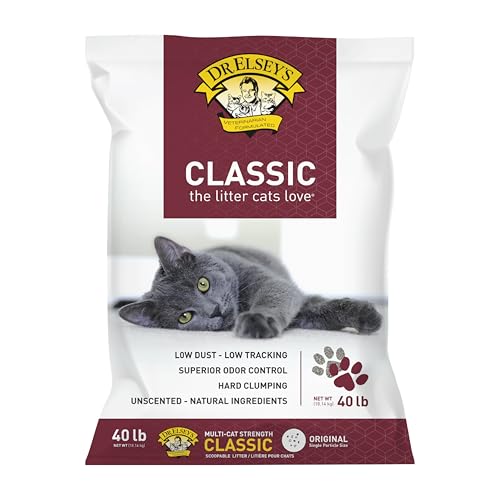
A good example is Dr. Elsey’s Clean Tracks, which uses a slightly larger grain to reduce tracking while still clumping well.

This is often the easiest upgrade if you want less mess without switching to pellets.

Natural Litters (Varies)

Natural litters can be hit or miss depending on the texture.

Some versions behave like fine clay and spread easily, while others use larger granules that stay closer to the box. The difference comes down to particle size more than the material itself.

For example, Sustainably Yours Large Grain uses bigger particles that reduce tracking compared to finer plant-based options.

Crystal Litter (Mixed Results)

Crystal litter is usually low in dust, but that doesn’t always mean low tracking.

Some versions use larger crystals that stay in the box better, while others are small and lightweight, which makes them easier to spread.

One thing to watch for is that crystals can roll across hard floors more easily than other types, so even a small amount can travel farther.

How to Reduce Litter Tracking Even Further (Beyond Litter)

Even the best low tracking cat litter won’t solve the problem on its own.

Once litter leaves the box, it needs somewhere to go. Without the right setup, it ends up spreading across the floor and into other areas of your home.

A few small changes here can make a bigger difference than switching litter alone.

If you want a more complete setup, you can also check out our guide on litter tracking solutions for ways to keep litter contained around the box.

Use a Properly Sized Litter Mat

A litter mat is one of the simplest ways to reduce how far litter spreads.

When your cat steps out of the box, the mat gives loose litter a place to fall out of their paws instead of being carried across the floor and into other rooms.

Size matters more than most people expect. A small mat doesn’t give litter enough distance to fall off, so your cat steps past it before anything drops. A larger mat creates a proper landing area where litter can collect right away.

Texture also makes a big difference. Flat mats don’t do much because the litter just sits on top and gets tracked again. Mats with deeper grooves or a mesh surface actually grab the litter and hold it in place.

A good example is this GORILLA GRIP litter mat, which uses thick coil mesh and deep grooves to trap litter as your cat walks across it. It stays in place well and is easy to shake out or vacuum, so you can reuse the litter instead of wasting it.

Cat litter mat with deep grooves trapping litter from a cat’s paws

View on Amazon

Choose the Right Litter Box Style

The design of the litter box affects how much litter escapes in the first place.

Small changes here can reduce tracking before it even starts.

High-Sided Litter Boxes (Contain the Mess)

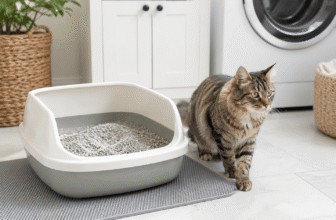
Open boxes make it easy for cats to kick litter out while digging. Once it lands outside the box, it’s much harder to control.

High-sided litter boxes help contain that mess by keeping the litter inside while your cat digs and covers waste. This is especially helpful for cats that like to dig aggressively or kick litter around.

A good example is this stainless steel high-sided litter box, which uses tall walls and an enclosed design to keep litter from spilling out. The smooth metal surface is also easier to clean and doesn’t hold odor the way plastic can.

High-sided stainless steel litter box designed to contain litter and reduce tracking

View on Amazon

If your main issue is litter being kicked out during digging, switching to a high-sided box like this can reduce a lot of the mess right away.

Top-Entry Litter Boxes (Reduce Tracking at the Exit)

Top-entry litter boxes go a step further by changing how your cat leaves the box.

Instead of stepping straight onto the floor, your cat has to climb up and out. That movement helps knock litter out of their paws before they reach the ground.

Some designs also include a textured step or lid surface, which helps remove even more litter as your cat exits.

One example is this top-entry stainless steel litter box, which uses a front entry and top exit to limit tracking and keep litter contained. It also adds a step area that helps catch litter before your cat reaches the floor.

Top-entry cat litter box with step surface that helps remove litter from paws and reduce tracking

View on Amazon

If your cat tends to jump out of the box or track litter across the room, this type of setup can make a noticeable difference very quickly.

Improve Litter Box Placement

Where you place the box changes how far litter spreads.

If the box is sitting in an open area, litter can travel in every direction. Placing it near a wall or in a corner limits how far it can scatter.

It also helps to create a clear exit path where your cat has to walk across a mat instead of stepping directly onto clean flooring.

If you want to go deeper into this, a good next step is improving your overall setup with better litter box placement, since even small adjustments here can reduce how much litter ends up around your home.

Keep the Litter at the Right Depth

Too much litter makes tracking worse.

When the box is overfilled, your cat sinks slightly as they move around. That increases how much litter sticks to their paws and gets carried out.

Keeping the depth around two to three inches gives enough coverage without creating excess mess.

Trim Fur Around the Paws (If Needed)

Long-haired cats tend to trap litter in the fur between their toes.

Even low tracking litter can get caught there and fall off later in other areas of your home. Keeping the fur around the paws trimmed reduces how much gets carried out of the box.

This is a small change, but it can make a noticeable difference if tracking has been hard to control.

Common Mistakes That Make Litter Tracking Worse

Even with low tracking cat litter, a few small mistakes can make the problem much worse.

These are easy to miss, but fixing them often makes an immediate difference.

Using Litter That’s Too Fine

Fine litter spreads more easily, even if everything else is set up well.

It slips into your cat’s paw pads and stays trapped in their paws as they walk out of the box. From there, it gets carried onto the floor and dropped around your home.

This is one of the main reasons litter shows up far away from the box instead of just around it.

Switching to a larger grain can make a noticeable difference. For example, something like Sustainably Yours mixed-grain litter uses bigger particles that are less likely to get stuck in your cat’s paws, which helps reduce how much gets tracked.

Using a Mat That’s Too Small

A small mat doesn’t give litter enough time to fall out of your cat’s paws.

When your cat steps out of the box, the mat gives loose litter a place to fall out of their paws instead of being carried across the floor and into other rooms.

Size matters more than most people expect. A small mat doesn’t give litter enough distance to fall off, so your cat steps past it before anything drops. A larger mat creates a proper landing area where litter can collect right away.

Texture also plays a big role. Flat mats don’t do much because the litter just sits on top and gets tracked again. Mats with a mesh or coil surface help grab litter and hold it in place instead of letting it spread.

A good example is the Amazon Basics litter trapping mat, which uses a coil-style surface and deep grooves to catch litter as your cat walks across it. The larger size also gives your cat more space to step, which helps more litter fall off before they reach the floor.

If litter is showing up in other rooms, switching to a larger mat like this is often one of the quickest ways to get it under control.

Placing the Box in an Open Area

When the litter box sits in the middle of a room, litter can spread in every direction.

There’s nothing to slow it down or contain it, especially if your cat jumps out or moves quickly after using the box.

Placing the box near a wall or corner naturally limits how far litter can travel.

Overfilling the Litter Box

Too much litter creates more tracking.

When the box is filled too high, your cat sinks slightly while moving around. That increases how much litter sticks to their paws and gets carried out.

Keeping the litter at a moderate depth helps reduce how much ends up outside the box.

Letting Litter Break Down Too Much

As litter gets used, it starts to break into smaller particles.

Even if you started with a low tracking litter, it can slowly turn into finer pieces that stick to paws more easily. This increases tracking over time without it being obvious right away.

Regular scooping and occasional full changes help keep the texture consistent.

Ignoring How Your Cat Leaves the Box

Some cats walk out slowly. Others jump or rush out.

If your cat jumps out of the box, litter spreads farther and faster. Without anything to catch it, it ends up well beyond the litter area.

Adjusting the setup so your cat has to step across a mat or surface before reaching the floor can make a noticeable difference.

Simple Changes That Reduce Litter Tracking Immediately

If litter is still spreading around your home, a few small adjustments can make a noticeable difference right away.

These changes focus on how everything works together rather than just the litter itself.

Create a Better Landing Area

Most tracking happens right after your cat leaves the box.

Giving your cat a larger area to step on before reaching the floor helps more litter fall out of their paws instead of being carried into other rooms.

In most cases, increasing the mat size or adjusting its position solves more than expected.

Control the Exit Path

If your cat can walk straight out onto clean flooring, litter goes with them.

Setting things up so your cat has to take a few steps before reaching open space helps reduce how far litter spreads.

This can be as simple as repositioning the box or rotating it slightly.

Keep the Litter Consistent

Tracking often gets worse over time, even if nothing else changes.

As litter breaks down, it creates finer particles that stick to paws more easily. Keeping the litter fresh helps maintain the lower tracking you started with.

Focus on Your Cat’s Behavior

Some cats naturally create more mess than others.

If your cat digs heavily or jumps out of the box, small setup changes can make a bigger difference than switching litter again.

Watching how your cat uses the box usually points to the simplest fix.

Frequently Asked Questions

What is the lowest tracking cat litter?

Pellet litter is usually the lowest tracking option because the pieces are large and heavy, so they don’t get stuck in your cat’s paws easily.

Instead of being carried out of the box, most of the litter stays inside, and anything that does come out tends to fall off right away instead of spreading around your home.

A good example is Nature’s Logic pine pellet litter, which uses larger compressed pellets made from natural pine. These pellets are much less likely to stick to paws compared to fine clay, which helps keep the area around the litter box cleaner.

Does low tracking cat litter actually work?

Low tracking cat litter can reduce how much litter spreads, but it won’t eliminate tracking completely.

The biggest difference comes from combining the right litter with a proper setup, including a litter mat and a box design that helps remove litter from your cat’s paws as they exit.

Why does my cat track litter everywhere?

Litter gets trapped in your cat’s paws, especially when it’s fine or slightly damp.

As your cat walks away from the box, that litter falls out along the way. Digging behavior, jumping out of the box, and long fur around the paws can all make the problem worse.

How do I stop litter from getting all over the floor?

Start by using a larger-grain litter and placing a properly sized mat outside the box.

Then adjust the setup so your cat has to step across that area before reaching the rest of your home. Small changes like box placement and mat size usually make the biggest difference.

Do litter mats really help with tracking?

Yes, but only if they’re large enough and have the right texture.

Mats with grooves or mesh surfaces help pull litter out of your cat’s paws as they walk across them. Small or flat mats don’t work as well because litter stays on the surface instead of being trapped.

Final Thoughts

Low tracking cat litter can make a noticeable difference, but it works best when everything around it is set up properly.

The biggest improvements usually come from a combination of factors. Larger-grain litter reduces how much gets stuck in your cat’s paws, while the right mat and litter box setup help stop it from spreading beyond the immediate area.

If litter is still showing up around your home, the issue is usually not just the litter itself. Small adjustments like changing the exit path, using a larger mat, or switching to a different box style often solve the problem more effectively.

Once everything is working together, the amount of litter outside the box drops quickly and becomes much easier to manage.

Perfect Litter Box
Logo