Disclaimer: This post may contain affiliate links. As an Amazon Associate, we earn from qualifying purchases.
Last updated on October 6, 2026
The best natural cat litter depends on the material, because walnut, wheat, tofu, pea husk, wood and pine all behave differently in the box. Most of the picks here form scoopable clumps, while Feline Pine uses a non-clumping sawdust routine. Below you’ll find one strong pick for each material, with what owners report and where each falls short.
For walnut, Naturally Fresh Multi-Cat is the pick. sWheat Original is the wheat option, Tuft & Paw the tofu, Catit Go Natural the pea husk, ökocat Original the wood fiber, and Feline Pine the pine pellet.
Quick Picks
Walnut Pick: Naturally Fresh Multi-Cat
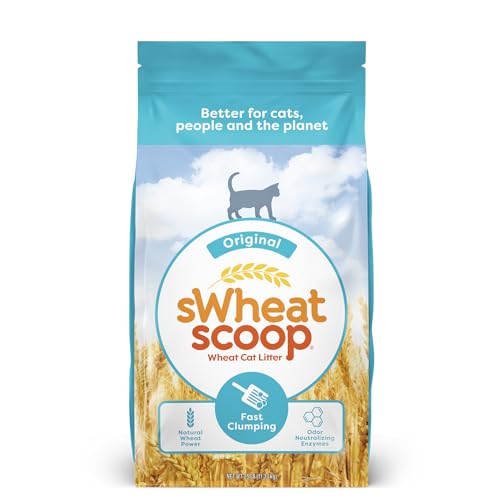
Wheat Pick: sWheat Scoop Original
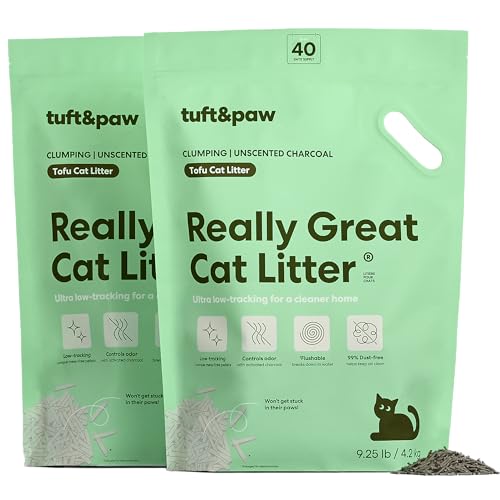
Tofu Pick: Tuft & Paw Really Great Cat Litter, Unscented
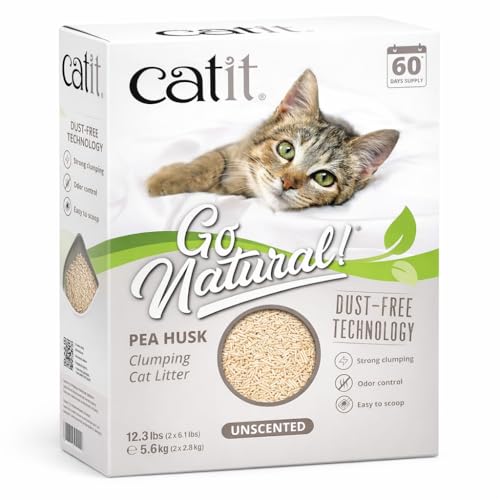
Pea Husk Pick: Catit Go Natural Pea Husk, Unscented
Wood Fiber Pick: ökocat Original Natural Wood Clumping
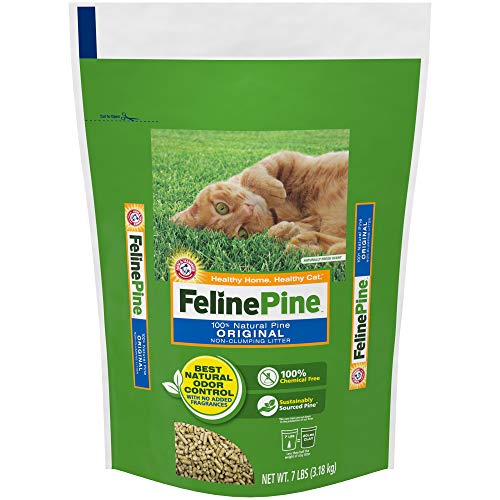
Pine Pellet Pick: Feline Pine Original
Best Natural Cat Litter Compared
| Litter | Material | Clumps? | Added Scent |
|---|---|---|---|
| Naturally Fresh Multi-Cat | Walnut shells | Yes | None |
| sWheat Scoop Original | Wheat | Yes | None |
| Tuft & Paw Unscented | Tofu-style pellets (soybean fiber blend) | Yes | None |
| Catit Go Natural Unscented | Pea husk blend | Yes | None |
| ökocat Original | Reclaimed wood fiber | Yes | None |
| Feline Pine Original | Pine pellets | No, turns to sawdust | None (natural pine smell) |
Naturally Fresh Multi-Cat

Why It Stands Out
Reviewers report strong odor control and clumping in both regular and sifting litter boxes, and several say it tracks less than clay. Naturally Fresh positions Multi-Cat for homes with two or more cats.
One reviewer who tried Naturally Fresh’s other clumping formula found Multi-Cat clumped better. Another, switching from a grass-seed litter, saw less clump flaking and less lingering odor.
Possible Downsides
Walnut litter is dark brown, so clumps and wet spots are harder to spot.
Best For
Multi-cat homes that want a natural litter that clumps. Our walnut cat litter guide explains the material.
sWheat Scoop Original
Why It Stands Out
sWheat says it’s 100% wheat, with no added dyes, perfumes or chemicals. The wheat’s starch forms the clumps. Reviewers of the sWheat line report strong clumping and odor control, and one has used it for more than ten years.
Possible Downsides
It’s sWheat’s base formula. For busier boxes, sWheat points owners to its Multi-Cat or Triple Action formulas.
Best For
One-cat homes that want a plain grain litter. Our wheat cat litter guide compares the sWheat lineup.
Tuft & Paw Really Great Cat Litter, Unscented
Why It Stands Out
Most reviewers report much less tracking and very little dust. Tuft & Paw uses tofu-style pellets made with soybean fiber and other plant-based ingredients, with charcoal for odor control.
Reviewers also praise the clumping. One who compared it with a pine pellet litter preferred how cleanly it clumped.
Possible Downsides
Tuft & Paw says the pellets may not work reliably in many automatic litter boxes. They’re also larger than typical granules, so you need a scoop with wide enough slots.
Best For
Owners whose main complaint is litter tracked through the house. Our tofu cat litter guide explains the type.
Catit Go Natural Pea Husk, Unscented
Why It Stands Out
Most reviewers report strong odor control in regular litter boxes. Reviewers also confirm it’s genuinely unscented, and at least two say their cats prefer it over Catit’s scented versions.
One reviewer says it clumps completely, so the rest of the box stays clean and only needs topping up.
Possible Downsides
The pellets are lightweight and larger than fine-grain litter. Catit’s directions recommend a scoop with wide openings for easier sifting.
Best For
Owners who want a plant-based clumping litter with no added scent.
ökocat Original Natural Wood Clumping

Why It Stands Out
Most reviewers report strong odor control, including one owner in a small dorm room. Owners who switched from Arm & Hammer Unscented, a corn and cassava litter, and pine pellets all say they prefer it.
ökocat says it’s made from reclaimed wood fiber with no added fragrance or dyes.
Possible Downsides
ökocat recommends its wood litters only for manual litter machines, not automatic ones.
Best For
Owners who want wood without leaving a scoop-the-clumps routine. Our ökocat cat litter review compares its textures.
Feline Pine Original
Why It Stands Out
It’s 100% pine, and the pellets turn to sawdust only where urine hits them. Reviewers praise the odor control without added fragrance and say it isn’t dusty.
Feline Pine’s directions are to pour 1 inch, scoop solids daily, shake the box so dry pellets rise, and start fresh when the box is about 90% sawdust.
Possible Downsides
The box smells like pine. That’s the wood itself, but it won’t suit anyone who wants no scent at all.
Best For
Owners open to a no-clump routine. Our pine pellets guide covers it in full.
Frequently Asked Questions
Which natural litters clump like clay?
Walnut, wheat, tofu, pea husk and wood fiber all form scoopable clumps. Pine pellets don’t; they break down into sawdust instead. Corn litter clumps too, and our corn cat litter guide covers it.
Can you use natural litter in an automatic litter box?
Only if your machine’s maker allows it. ökocat recommends its wood litters for manual machines only, Tuft & Paw says its pellets may not work reliably in many automatic boxes, and Whisker recommends clumping clay for the Litter-Robot. Check your manual first.
How do I switch to a natural litter?
Check the new litter’s bag first. Several of these brands, including Feline Pine, Naturally Fresh and sWheat, give their own switching directions, which our guide on how to transition cat litter explains.
Is natural litter good for kittens?
AAHA suggests starting kittens with unscented clumping litter, the litter they used before, or both. If you’re choosing a different litter type, that guidance is worth considering.