Disclaimer: This post may contain affiliate links. As an Amazon Associate, we earn from qualifying purchases.
Last updated on October 1, 2026
The best cat litter for kittens is unscented, low in dust and easy for the kitten to dig in and use comfortably. AAHA suggests starting with unscented clumping litter, the litter your kitten used before, or both, then letting your kitten show you what it prefers.
This guide covers what to look for, five picks with real kitten use behind them, and how to switch litters as your kitten grows.
The best cat litter for kittens is unscented, low in dust and easy for the kitten to use. Start with a familiar litter or one that matches AAHA’s unscented guidance, and check each brand’s age directions before switching types.
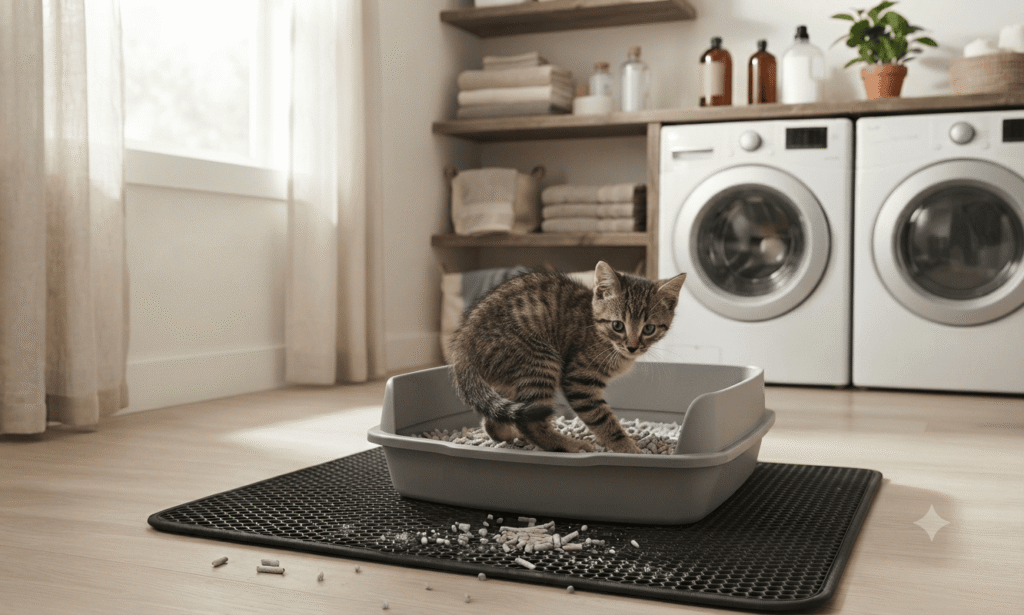
What to Look For
Unscented. AAHA notes that most cats prefer unscented litter. A young kitten learning the box doesn’t need perfume getting in the way.
Low dust. Kittens dig with their faces close to the litter, so a low-dust formula keeps things cleaner.
A familiar texture. If your kitten came from a breeder or shelter, starting with the litter it already knows makes the first days easier.
The brand’s age guidance. Some brands publish their own age directions for introducing their litter. Follow the bag, and ask your vet if your kitten tends to eat litter.
Quick Picks
If you only buy one, make it ökocat Dust Free Paper Pellets. Reviewers confirm zero dust, and it’s unscented.
Best paper pellets: ökocat Dust Free Paper Pellets. Unscented, with zero dust confirmed by reviewers.
Best soft clumping: ökocat Super Soft Wood Clumping Litter. Confirmed kitten and picky-cat acceptance.
Best tofu: Tuft & Paw Really Great Cat Litter. Recommended by a Humane Society at one owner’s kitten adoption.
Best attractant option: World’s Best Cat Attract. An attractant designed to draw kittens to the box.
Best unscented clay: Boxie Premium Unscented. Clear directions, including age guidance for introducing clay.
| Litter | Type | Clumps? | Best For |
|---|---|---|---|
| ökocat Paper Pellets | Paper | No | Young kittens, dust-free homes |
| ökocat Super Soft | Wood | Yes | Clumping as kittens grow |
| Tuft & Paw | Tofu | Yes | Low dust and tracking |
| World’s Best Cat Attract | Corn | Yes | Kittens slow to use the box |
| Boxie Premium Unscented | Clay | Yes | Older kittens, per bag directions |
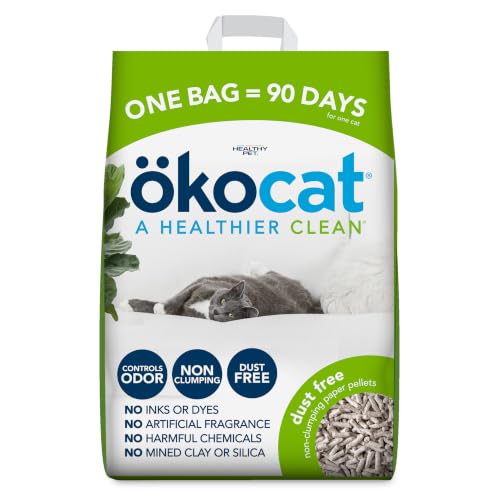
ökocat Dust Free Paper Pellets
Why It Stands Out
Multiple reviewers confirm zero dust, and one used it successfully with a 4-week-old kitten. It’s unscented, and the soft pellets are gentle underfoot.
Possible Downsides
It doesn’t clump, so urine stays in the pellets until you change the box. You’ll change it more often than clumping litter.
Best For
The first weeks home and dust-free homes.
ökocat Super Soft Natural Wood Clumping Cat Litter

Why It Stands Out
Reviewers confirm kittens and picky cats accept it, including one account of a cat that started using the box again after the switch. It clumps, so scooping works like regular litter.
Possible Downsides
Wood litter looks and feels different from clay, so some cats need a gradual switch.
Best For
Kittens moving from pellets to a clumping litter.
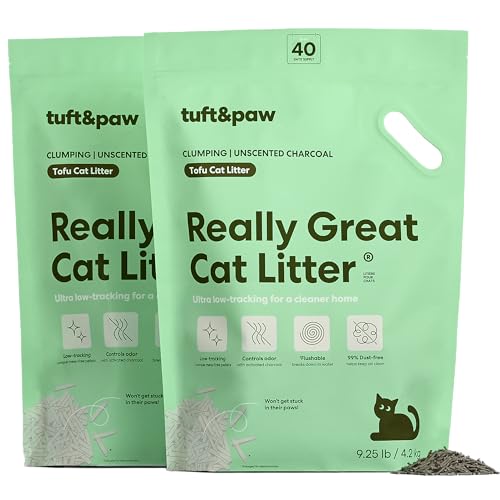
Tuft & Paw Really Great Cat Litter
Why It Stands Out
A Humane Society directly recommended this litter to one owner at a kitten adoption. The large majority of reviewers confirm low dust and much less tracking, and it clumps efficiently.
Possible Downsides
Tuft & Paw discloses that the tofu has a natural aroma, which some cats need time to accept.
Best For
Owners who want a low-dust, low-tracking clumping litter for a growing kitten.
World’s Best Cat Attract

Why It Stands Out
It’s a corn-based clumping litter with an attractant designed to draw cats and kittens to the box. The manufacturer’s transition directions specifically address kittens tasting the litter while switching. The majority of reviewers confirm strong clumping and odor control, and multiple reviewers say it tracks less than clay.
Possible Downsides
Some cats don’t like the natural corn scent.
Best For
Kittens that are slow to use the box consistently.
Boxie Premium Unscented Clumping Cat Litter

Why It Stands Out
It’s an unscented clumping clay, matching the type AAHA includes in its kitten guidance. Boxie publishes specific age directions for introducing clay litter, so check the current package before using it with a young kitten.
Possible Downsides
Because of those age directions, it’s a better fit for older kittens than for the first weeks home.
Best For
Older kittens moving toward the litter they’ll use as adults. See our Boxiecat litter review for the full lineup.
Switching Litters as Your Kitten Grows
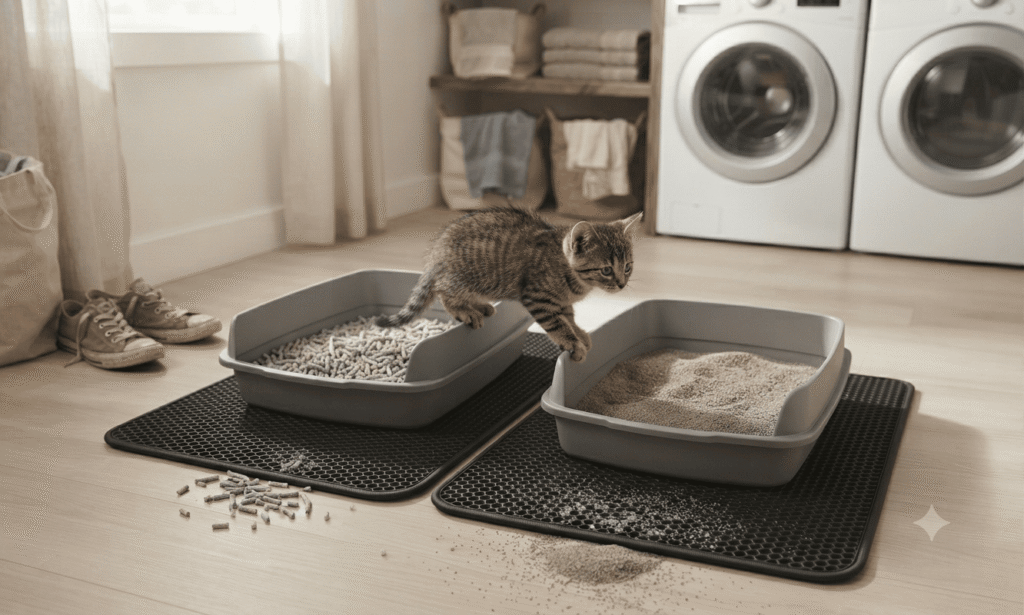
Switch gradually. Mix a little of the new litter into the old one and increase it slowly, so your kitten doesn’t start avoiding the box. Kittens raised on pellets sometimes resist fine litter, so go slower with that switch. Our guide on how to transition cat litter covers the steps.
For the box itself, our guide to the right litter box for kittens covers entry height and placement as your kitten grows.
Frequently Asked Questions
Can kittens use clumping litter?
AAHA suggests starting kittens with unscented clumping litter, the litter they used before, or both. Some brands publish their own age guidance for their litter. Follow the bag, and ask your vet if your kitten eats litter.
What litter is best for a very young kitten?
For a very young kitten, choose a soft, unscented, low-dust litter the kitten will actually use. If you’re unsure which type is appropriate at that age, ask your vet and check the manufacturer’s directions.
How often should you change kitten litter?
Scoop daily. Non-clumping paper litter needs a full change more often than clumping litter. Our guide on how often you should change cat litter covers the schedule.
When can kittens use regular cat litter?
Once your kitten uses the box consistently, you can start moving toward the litter you’ll use long term. Check the bag for any age guidance, and switch gradually.