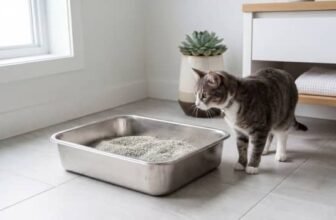
Are Stainless Steel Litter Boxes Better Than Plastic Ones?

are stainless steel litter boxes better than plastic ones comparison

Disclaimer: This post may contain affiliate links. As an Amazon Associate, we earn from qualifying purchases.

Are stainless steel litter boxes better than plastic ones?

Plastic litter boxes work well at first, but over time, they often develop scratches, stains, and lingering odors that are difficult to remove.

Those scratches trap waste particles and bacteria, which is why older litter boxes sometimes smell even after being cleaned.

Stainless steel litter boxes avoid this problem because the surface does not absorb moisture or odor the way plastic does. This is why the question “are stainless steel litter boxes better than plastic?” comes up so often when litter box odor becomes difficult to control.

In most cases, stainless steel litter boxes are better than plastic ones for odor control, durability, and long-term cleaning.

This guide explains the pros and cons of stainless steel litter boxes, how they compare to plastic litter boxes, and when switching materials actually makes sense.

We’ll also look at when stainless steel litter boxes make the most sense and what features to look for when choosing one.

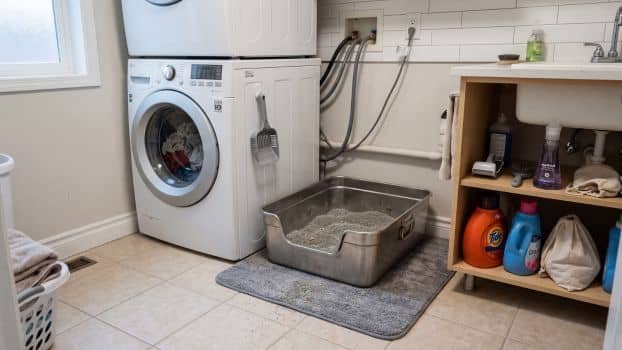
stainless steel litter box setup in a laundry room corner

A stainless steel litter box placed on a litter mat in a typical laundry room setup.

Why Stainless Steel Litter Boxes Work Differently

Stainless steel litter boxes behave differently than plastic ones because of the material itself.

Plastic surfaces are softer and gradually develop scratches from digging and scooping. Those scratches trap small amounts of waste and bacteria that continue producing odor.

Stainless steel stays smooth and non-porous. Waste remains on the surface instead of soaking into the material, which makes the litter box easier to keep clean.

That difference becomes more noticeable after months of regular use.

Better Odor Resistance

One of the biggest benefits of a stainless steel litter box is odor control.

Stainless steel does not absorb moisture or bacteria, so odors stay in the litter instead of soaking into the box itself.

With plastic litter boxes, scratches and porous surfaces can slowly hold onto odor. That is why older plastic boxes sometimes smell even after being washed.

More Durable Than Plastic

Plastic litter boxes gradually wear down from daily use.

Cats dig and scratch every time they use the box, and scooping also adds small scratches to the surface.

Stainless steel is much harder and more resistant to damage. The smooth surface holds up for years without the same level of wear.

Easier to Clean

Cleaning is another advantage of stainless steel litter boxes.

Waste and litter are less likely to stick to the smooth surface, which makes scooping easier and reduces buildup along the sides or bottom of the pan.

A quick rinse or wipe usually removes residue that would normally cling to scratched plastic.

cleaning a stainless steel litter box in a sink

Stainless steel litter boxes are easy to rinse and clean compared to scratched plastic litter boxes.

Stainless Steel Litter Box Pros and Cons

Stainless steel litter boxes offer several advantages over plastic, but they also come with a few trade-offs.

Looking at both the benefits and the limitations can help you decide whether switching materials makes sense for your litter box setup.

Pros of Stainless Steel Litter Boxes

Strong Odor Resistance

Stainless steel litter boxes resist odor buildup better than plastic ones. The surface does not absorb moisture or bacteria, which helps prevent the lingering smell that older plastic boxes sometimes develop.

Long Lifespan

Stainless steel litter boxes are much more durable than plastic. The metal surface resists scratching and staining, which helps the box stay in good condition for years.

Easier Maintenance

Waste and litter are less likely to stick to stainless steel. The smooth surface makes scooping and deep cleaning faster compared to scratched plastic litter boxes.

More Hygienic Surface

Stainless steel surfaces are commonly used in kitchens and veterinary clinics because they are easy to sanitize. The material helps prevent bacteria from building up in the way scratched plastic can.

Cons of Stainless Steel Litter Boxes

Higher Upfront Cost

Stainless steel litter boxes usually cost more than plastic ones. The higher price comes from the material and construction.

Fewer Design Options

Plastic litter boxes come in many designs, including covered boxes, corner boxes, and automatic models. Stainless steel litter boxes are still more limited, with most models using a simple open-pan design.

Slightly Different Sound

Digging in a stainless steel litter box can create a faint scraping sound when claws touch the metal surface. This usually isn’t a problem, but it may be noticeable in very quiet rooms.

Do Cats Like Stainless Steel Litter Boxes?

Most cats accept a stainless steel litter box without any issues, especially if the litter itself stays the same.

Cats pay much more attention to litter texture, scent, and location than the material of the box.

The box material sits underneath the litter, so most cats barely notice the difference. As long as the litter depth stays the same, the experience inside the box feels familiar.

Because of this, cats usually continue using the box normally after the switch.

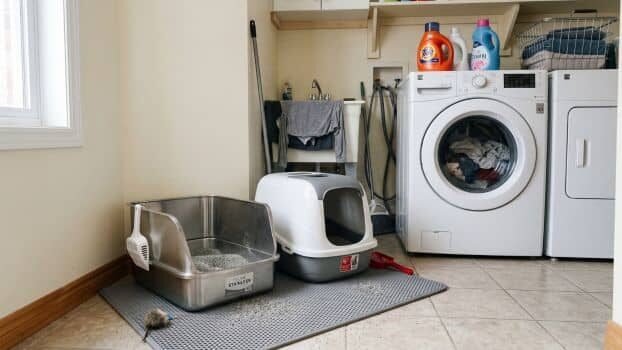
are stainless steel litter boxes better than plastic ones comparison

A stainless steel litter box compared with a traditional plastic litter box in a laundry room.

How to Help Your Cat Adjust to a Stainless Steel Litter Box

Most cats switch to a stainless steel litter box without hesitation, but a gradual transition can make the change even smoother.

Place the new box next to the old one

Allowing the cat to explore the new box while the old one is still available reduces hesitation and gives the cat time to adjust.

Keep the same litter

Changing litter at the same time as the box can confuse cats. Keeping the litter consistent helps the new box feel familiar.

Use the same location

Cats rely heavily on routine. Keeping the litter box in the same place helps maintain that routine.

Stainless Steel vs Plastic Litter Box: Which Is Better?

Stainless steel and plastic litter boxes both work well, but they behave differently over time.

Plastic litter boxes are inexpensive and easy to find in many styles, while stainless steel litter boxes focus on durability, odor resistance, and long-term use.

Feature Stainless Steel Litter Box Plastic Litter Box
Odor Control Does not absorb odor Can absorb odor over time
Durability Very durable and scratch resistant Scratches and wears down over time
Cleaning Waste rinses off easily Residue may cling to scratches
Price Higher upfront cost Usually inexpensive
Design Options Limited designs Many shapes and styles


Plastic litter boxes are convenient and affordable, but they often need to be replaced once scratches and odor buildup develop.

Stainless steel litter boxes usually last much longer and remain easier to clean even after years of use.

When litter box odor keeps coming back or plastic boxes need frequent replacement, stainless steel often becomes the more practical long-term option.

When a Stainless Steel Litter Box Makes the Most Sense

Stainless steel litter boxes are especially helpful in certain situations where plastic litter boxes tend to wear out or become harder to keep clean.

Persistent Litter Box Odor

If the litter box area still smells even after regular scooping and cleaning, the box itself may be holding onto odor. In some cases the problem isn’t just the litter box material. This guide on litter box odor problems explains several other reasons odors can build up.

Older plastic litter boxes sometimes develop lingering smells that are difficult to remove, which is where stainless steel can make a noticeable difference.

Multi-Cat Households

Litter boxes in multi-cat homes are used more frequently and usually need deeper cleaning.

A stainless steel litter box holds up better under heavy use and stays easier to maintain over time.

Frequent Litter Box Replacement

Plastic litter boxes often need replacement once scratches and odor buildup become difficult to remove.

A stainless steel litter box usually lasts much longer, which reduces how often the box needs to be replaced.

Easy Cleaning

Deep cleaning is usually faster with stainless steel. Waste and residue rinse off more easily, which makes regular litter box maintenance simpler.

What to Look for in a Stainless Steel Litter Box

large stainless steel litter box on litter mat in laundry room

A large stainless steel litter box placed on a litter mat in a laundry room corner.

Stainless steel litter boxes share the same basic material, but the design still matters. Certain features can make daily cleaning easier and help keep litter contained.

High Sides

Higher sides help contain litter and prevent it from being kicked onto the floor. This is especially helpful for cats that dig aggressively or scatter litter while covering waste.

Large Interior Space

Cats need enough room to turn around, dig, and cover waste comfortably. A larger interior space helps prevent litter from spilling over the edges during digging.

Smooth Rounded Corners

Rounded corners prevent litter and waste from collecting in tight seams. This makes rinsing and wiping the box much easier during deep cleaning.

Anti-Slip Base

Some stainless steel litter boxes include rubber feet or pads that prevent the box from sliding on tile or hardwood floors.

Best Stainless Steel Litter Boxes to Consider

After deciding that a stainless steel litter box makes sense for your setup, the next step is choosing a design that fits your cat and your space.

Some models focus on high sides for litter control, while others prioritize extra interior space or enclosed designs.

The following stainless steel litter boxes are good examples of designs that solve common litter box problems like odor, mess, and durability.

1. AIPERRO Stainless Steel Litter Box with Lid

AIPERRO stainless steel litter box with lid and high sides for large cats

Check Price on Amazon

The AIPERRO Stainless Steel Litter Box is a durable enclosed design that combines a stainless steel pan with high sides to help control litter scatter and odor.

It’s especially useful for cats that kick litter or households trying to reduce mess around the litter area.

The enclosed design helps contain litter scatter while giving cats a private space.

The stainless steel pan resists scratching and odor buildup, making it easier to keep clean than most plastic litter boxes.

Key Features

• High-sided enclosed design helps reduce litter scatter
• Stainless steel surface resists odor absorption
• Leak-resistant design helps contain urine
• Includes litter mat and metal scoop
• Extra-large size works well for bigger cats


2. WoofiGo Enclosed Stainless Steel Litter Box

WoofiGo stainless steel litter box with lid and high sided enclosure for large cats

Check Price on Amazon

The WoofiGo Enclosed Stainless Steel Litter Box focuses on mess control while still offering the durability advantages of stainless steel.

The enclosed design helps reduce litter scatter, while the stainless steel pan resists odor buildup and makes cleaning easier.

The metal litter pan prevents odor buildup, while the high-sided enclosure helps stop litter from being kicked onto the floor. Its spacious design makes it suitable for large cats and multi-cat households.

Highlights

• Large interior space for bigger cats
• High-sided enclosure helps contain litter
• Stainless steel pan resists odor absorption
• Easy to rinse and clean


3. Tevila Extra Large Stainless Steel Litter Box

Tevila stainless steel litter box with high sides and open top design

Check Price on Amazon

The Tevila Stainless Steel Litter Box with High Sides is a simple open-top design that focuses on durability, odor control, and easy cleaning.

The stainless steel pan resists scratches and does not absorb odor, which helps keep the litter box fresher compared to traditional plastic pans. Its open-top layout also makes scooping easier and allows cats to enter and exit without feeling confined.

This model includes raised splash guards that help contain litter and prevent urine from leaking outside the box, making it a practical option for cats that dig or kick litter aggressively.

Key Features

• Extra-large stainless steel litter pan for large cats
• High sided splash guard helps reduce litter scatter
• Non-porous surface prevents odor absorption
• Open top design makes scooping and cleaning easier
• Includes litter scoop and non-slip pads


How to Choose the Right Stainless Steel Litter Box

Choosing the right stainless steel litter box mostly comes down to size, design, and how your cat uses the box.

Size and Interior Space

A litter box should give a cat enough room to turn around, dig, and cover waste comfortably. As a general guideline, the box should be at least one and a half times the length of the cat.

Larger boxes usually work better, especially for bigger cats or homes with multiple cats using the same litter area.

High Sides or Splash Guards

High sides or splash guards help contain litter and prevent urine from reaching the edge of the box. This feature is especially helpful for cats that dig aggressively.

Open vs Covered Designs

Open litter boxes are easier to clean and allow cats to move freely. Covered designs provide more privacy and can help contain litter scatter.

Some cats prefer open boxes, while others adjust well to enclosed designs.

Ease of Cleaning

Some stainless steel litter boxes include removable splash guards or rounded corners that make deep cleaning easier. These small design details can save time during routine litter box maintenance.

Frequently Asked Questions

Do stainless steel litter boxes smell less than plastic?

Yes. Stainless steel litter boxes usually hold less odor than plastic ones. The surface does not absorb moisture or bacteria, which helps prevent smells from building up in the box itself.

Are stainless steel litter boxes safe for cats?

Yes, stainless steel litter boxes are safe for cats. The material is durable, hygienic, and commonly used in veterinary and food preparation environments because it is easy to sanitize.

Do stainless steel litter boxes rust?

Most stainless steel litter boxes are made from rust-resistant steel, so rust is very unlikely with normal use. Regular cleaning and drying after washing usually keeps the box in good condition for years.

Do cats mind using a stainless steel litter box?

Most cats adjust quickly to stainless steel litter boxes. As long as the litter type and location stay the same, the material of the box usually does not affect whether a cat uses it.

Are stainless steel litter boxes worth it?

Stainless steel litter boxes are often worth the investment because they last longer and stay easier to clean. Although they cost more upfront, they usually need to be replaced far less often than plastic boxes. For long-term durability and odor control, stainless steel litter boxes are often considered better than plastic ones.

Final Thoughts

Stainless steel litter boxes offer a durable alternative to traditional plastic litter boxes. Because the surface resists scratching and does not absorb odor, they tend to stay easier to clean over time.

Plastic litter boxes are still inexpensive and widely available, but they often need to be replaced once scratches and odor buildup develop.

When litter box odors keep returning or plastic boxes need frequent replacement, switching to stainless steel can be a practical long-term upgrade.

The most important factor is choosing a litter box that fits your cat comfortably. Larger boxes with high sides and simple designs usually provide the best combination of space, cleanliness, and easy maintenance.

Perfect Litter Box
Logo