Best Hypoallergenic Cat Litter: Low-Dust, Unscented Options for Sensitive Cats

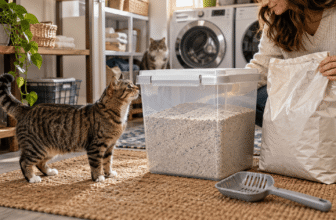
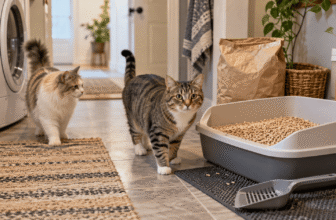
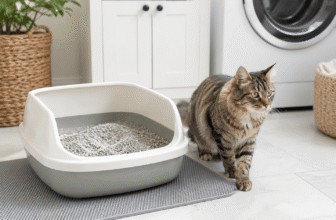
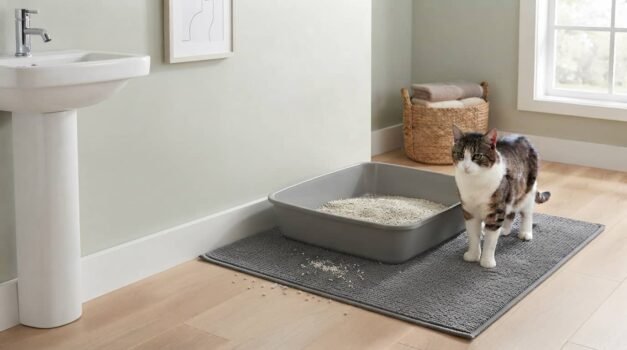
Best hypoallergenic cat litter in a clean low-dust litter box beside a cat

Disclaimer: This post may contain affiliate links. As an Amazon Associate, we earn from qualifying purchases.

Last updated on September 1, 2026

Hypoallergenic cat litter is made to reduce common irritants in the litter box: dust, added fragrance, and other additives. If you or your cat is reacting to litter, switching to a low-dust, unscented formula is usually the first step worth trying.

The best hypoallergenic cat litter is low in dust, free of added fragrance, and uses materials that are less likely to cause irritation for cats or people with sensitivities.

This guide covers six options across clay, plant-based, walnut, grass, and paper formulas so you can find one that fits your household.

Quick Picks

Best Overall: Cat’s Pride Max Power Natural Care
Best Unscented Clay: Dr. Elsey’s Ultra UnScented
Best Plant-Based: Catit Go Natural Plant-Based
Best Walnut-Based: Naturally Fresh Cat Litter
Best Grass-Based: SmartCat All Natural
Best Dust-Free Paper Pellet: ökocat Dust Free Paper Pellet

What “Hypoallergenic” Actually Means for Cat Litter

There isn’t a universal standard that tells shoppers exactly what “hypoallergenic” cat litter has to mean. The label is most useful when it’s backed by specific features: low dust, no added fragrance, and a short ingredient list.

Dust level matters most. Fine particles get airborne every time your cat digs or you pour a fresh bag. Look for a litter specifically marketed as low-dust or dust-free.

Fragrance is the second factor. Scented litters use synthetic additives to mask odor, and some cats and people are more sensitive to those than to dust itself.

Material can affect dust levels, but it is not a guarantee. Paper pellets tend to produce very little airborne dust, while clay and fine-grained plant litters vary considerably by formula.

Additives matter too. Dyes, chemical deodorizers, and antibacterial agents all add variables. Simpler formulas keep the list shorter.

Two Different Problems, One Product Category

There are two separate reasons someone might be searching for a hypoallergenic cat litter.

The first is a human who reacts to the litter itself. Sneezing when pouring it, itchy eyes after cleaning the box, or irritation that lines up with litter box activity are all worth paying attention to.

The second is a cat who reacts to their litter. Cats can develop sensitivities to substances they’re regularly in contact with, and litter is no different. Sneezing near or after the box is the most obvious sign. Others include watery eyes, skin irritation around the face or paws, and avoiding the box entirely.

Because these symptoms overlap with other conditions, it’s worth talking to your vet before assuming the litter is the cause.

The six litters below are all unscented, low-dust, and free of unnecessary additives. They cover a range of materials so you can find one that works for your cat’s preferences too.

Comparison Table

Product Material Dust Level Clumping
Cat’s Pride Max Power Natural Care Clay 99% dust-free Yes
Dr. Elsey’s Ultra UnScented Clay 99% dust-free Yes
Catit Go Natural Plant-Based Plant-based Dust-free Yes
Naturally Fresh Walnut Cat Litter Walnut Low dust Yes
SmartCat All Natural Grass 99% dust-free Yes
ökocat Dust Free Paper Pellet Paper Dust-free No

Best Overall: Cat’s Pride Max Power Natural Care

Cat's Pride Max Power Natural Care hypoallergenic unscented cat litter

Natural Care carries both a hypoallergenic label and a genuinely fragrance-free formula. The manufacturer describes it as 99% dust-free, free from perfumes and dyes, and 25% lighter than traditional clumping litters.

View on Amazon

Why It Stands Out

It’s one of a small number of clay litters where the hypoallergenic claim is backed by specific features: 99% dust-free, no perfumes, and no dyes. Reviewers describe it as genuinely unscented in practice, not just lightly scented. Long-term buyers return to it repeatedly, which is a more reliable signal than any single review.

Possible Downsides

It is still a clay litter, so it won’t suit households specifically trying to move away from clay. If you use an automatic litter box, check the manufacturer’s litter requirements before switching.

Best For

Households where either a cat or a person has shown signs of reacting to litter dust or added fragrance, and where a labeled-hypoallergenic, genuinely unscented clay is the target.

Check Price on Amazon

Best Unscented Clay: Dr. Elsey’s Ultra UnScented

Dr Elseys Ultra UnScented clumping clay cat litter

Dr. Elsey’s Ultra is an unscented, 99% dust-free clay litter with natural ingredients and hard-clumping performance. Nothing is added to mask odor.

View on Amazon

Why It Stands Out

The hard clumping keeps disruption low when scooping, which means less dust kicked up during maintenance. It works in automatic litter boxes and handles multi-cat households across a very large base of long-term reviewers.

The 40 lb bag suits households that go through litter quickly.

Possible Downsides

The large bag is heavy and awkward to move for some people. Some reviewers note it tracks more than finer-grain litters, so a mat at the box exit helps.

Best For

Anyone who wants a proven, fragrance-free clay with straightforward ingredients and no interest in changing litter materials. Dr. Elsey’s also makes the R&R formula specifically marketed for respiratory-sensitive households. See our Dr. Elsey’s Respiratory Relief review for a comparison of the two.

Check Price on Amazon

Best Plant-Based: Catit Go Natural Plant-Based

Catit Go Natural plant-based cat litter dust-free unscented

Catit Go Natural uses a pea-husk base with no added fragrance. The manufacturer markets it as dust-free, and it clumps, which makes transitioning from clay less of an adjustment.

View on Amazon

Why It Stands Out

Its ultra-fine pellet construction is designed to minimize airborne particles, and no fragrance is added. It’s also compatible with multiple automatic litter box styles, which is worth noting since plant-based litters often have more compatibility restrictions than clay.

Possible Downsides

Plant-based litters vary in clumping strength compared to clay. Some cats also need a transition period to accept a different texture and smell when switching from a long-used formula.

Best For

Households making a deliberate move away from clay that want a fragrance-free, plant-based clumping formula.

Check Price on Amazon

Best Walnut-Based: Naturally Fresh Cat Litter

Naturally Fresh walnut shell cat litter unscented low dust

Naturally Fresh uses upcycled walnut shells as its base, putting it in a different material category from clay, pea, corn, and grass litters. The Multi-Cat formula is unscented and low in dust, with a natural odor-control counteractant added alongside the walnut base.

View on Amazon

Why It Stands Out

Reviewers frequently describe noticeably less dust than the clay litters they previously used. The walnut base provides natural odor control without added perfume, and it clumps, so switching from clay doesn’t require learning an entirely different maintenance routine.

The darker color of walnut litter also makes waste easier to spot.

Possible Downsides

The dark color is unfamiliar to some cats and takes adjustment. Tracking particles can also be harder to see against darker floor surfaces.

Best For

Households looking for an unscented, low-dust walnut-based alternative to clay or other plant-based litters.

Check Price on Amazon

Best Grass-Based: SmartCat All Natural Clumping Cat Litter

SmartCat All Natural grass-based clumping cat litter

SmartCat uses 100% grass with no added fragrance. The manufacturer rates it 99% dust-free, and the fine texture is softer underfoot than pellet-style litters, which matters for cats that are particular about what they walk on.

View on Amazon

Why It Stands Out

The fragrance-free formula and 99% dust-free rating make it a practical pick when sensitivity is the main concern. It’s also lightweight, which reviewers with mobility limitations specifically mention as useful for daily litter box maintenance.

It clumps hard and doesn’t stick to the box bottom.

Possible Downsides

The fine, lightweight texture can track outside the box, so a good litter mat helps. It’s less widely available in physical stores than clay formulas.

Best For

Households that want a clumping, fragrance-free natural litter with a grass-only ingredient base and soft texture.

Check Price on Amazon

Best Dust-Free Paper Pellet: ökocat Dust Free Paper Pellet

okocat dust free paper pellet cat litter unscented

Paper pellets are one of the lowest-dust litter formats available. ökocat’s version uses lightweight recycled paper pellets with no added fragrance, making it a very different option from fine-grained clay or plant litters.

View on Amazon

Why It Stands Out

Reviewers describe it as genuinely dust-free in use, including people who found other low-dust litters still produced noticeable airborne particles when poured or disturbed.

Because it starts as larger paper pellets rather than fine granules, there are fewer tiny particles to become airborne during pouring and digging. The manufacturer specifically positions it for households dealing with respiratory sensitivities, and no fragrance is added.

Possible Downsides

Paper pellets don’t clump. Urine is absorbed into the pellets, which break down over time and get stirred out or replaced rather than scooped as a solid mass.

Some cats need time to accept the texture. If you’re used to a clumping routine, this takes a real adjustment.

Best For

Cats or owners where a well-rated low-dust granular litter hasn’t been enough, and a completely different litter construction is worth trying.

Check Price on Amazon

FAQ

What makes a cat litter hypoallergenic?

There’s no official standard for the term on cat litter. The label is most useful when backed by specific features: low dust, no added fragrance, and a short ingredient list. Look for those details rather than relying on the label alone.

Can cats be allergic to their litter?

Cats can develop sensitivities to substances they’re regularly in contact with, and litter is no exception. Sneezing near the box, watery eyes, skin irritation around the face or paws, and avoiding the litter box are all worth paying attention to.

These symptoms can look similar to other conditions, so talk to your vet before switching litters. They can help rule out other causes first.

Is unscented the same as hypoallergenic?

Not exactly. Unscented means no fragrance was added, but a litter can still have a natural smell from its base material. Because “hypoallergenic” doesn’t have a universal standard for cat litter, don’t assume the label automatically means fragrance-free or dust-free. Check both claims separately rather than relying on either term alone.

Are natural litters better for allergies?

Not automatically. Material type alone isn’t a guarantee of lower irritation. The more useful question is what the actual dust performance looks like and whether fragrance has been added. A low-dust, fragrance-free clay can work just as well as a plant litter with similar specs.

How long does it take to notice a difference after switching litters?

There’s no set timeline. If the old litter was a contributing factor, reducing exposure may help, but persistent sneezing, eye irritation, or other symptoms shouldn’t automatically be blamed on litter. Cats with ongoing symptoms should be seen by a vet rather than cycling through litter types without a clear diagnosis.

Related Articles

Perfect Litter Box
Logo
DMCA.com Protection Status