Disclaimer: This post may contain affiliate links. As an Amazon Associate, we earn from qualifying purchases.
Last updated on September 1, 2026
The best cat litter for sensitive paws has a texture your cat is comfortable walking on, produces little dust, and avoids unnecessary added fragrance.
This guide covers five options across wood fiber, plant-based, grass, and grain-based formulas so you can find one that suits both your cat’s preferences and your own routine.
What Helps with Paw-Sensitive Cats
If a cat seems uncomfortable walking or digging in litter, texture is one factor worth considering. Some cats prefer a fine, soft substrate and may hesitate to use coarse pellets, large crystals, or other unfamiliar textures. Dust and added fragrance can also matter for cats that are sensitive to them.
That said, paw licking, redness, swelling, sores, or persistent litter box avoidance can have many causes beyond litter. If symptoms persist, it’s worth discussing with a veterinarian rather than assuming the litter is responsible.
Three things are worth looking at when evaluating a litter for this purpose.
Texture. Look for a fine or soft texture your cat is comfortable walking and digging in. Fine wood fiber, plant-based pellets, grass, and some fine-grain clay litters can all feel relatively soft underfoot. Individual preferences vary, and what works for one cat may not suit another.
Dust level. Fine dust can settle in the spaces between toe pads with repeated use. Low-dust or dust-free formulas reduce that exposure.
Fragrance and additives. Synthetic fragrances and dyes are worth avoiding for cats that seem sensitive to their litter. Unscented formulas with shorter ingredient lists keep the variables to a minimum.
If dust and fragrance sensitivity are your primary concerns, our hypoallergenic cat litter guide covers that angle in more detail.
Quick Picks
Best Overall: ökocat Super Soft Natural Wood Clumping
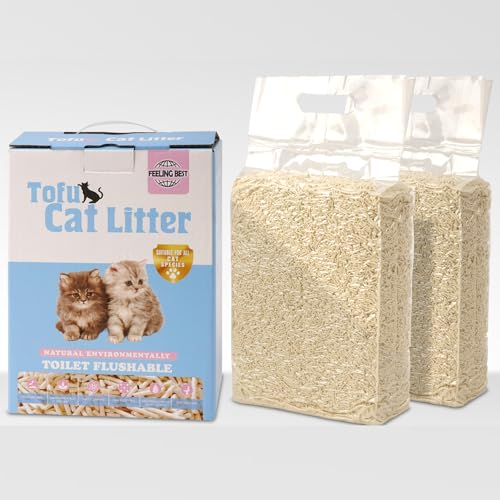
Best Fine Plant-Based: FEELING BEST Cat Litter
Best for Kittens: SmartCat All Natural
Best Low Tracking: Tuft & Paw Really Great Cat Litter, Unscented
Best Grain-Based: ARM & HAMMER Plant Power Unscented
Comparison Table
| Product | Material | Dust Level | Fragrance | Clumping |
|---|---|---|---|---|
| ökocat Super Soft | Wood fiber | 99% dust-free | None | Yes |
| FEELING BEST | Pea husk + cornstarch | Dust-free | None | Yes |
| SmartCat All Natural | Grass | 99% dust-free | None | Yes |
| Tuft & Paw Unscented | Tofu + charcoal | 99% dust-free | None | Yes |
| ARM & HAMMER Plant Power | Corn + wheat | Low dust | None | Yes |
Best Overall: ökocat Super Soft Natural Wood Clumping Cat Litter
ökocat Super Soft is the formula in the ökocat line specifically designed for cats with sensitive or delicate paws. The manufacturer describes it as an extra-fine wood fiber texture intended for cats with sensitive paws, kittens, senior cats, and cats transitioning from fine-grain clay. It’s 99% dust-free and contains no artificial fragrance.
Why It Stands Out
The extra-fine grind sets it apart from other wood litters, which tend to use coarser fiber. The texture is closer to fine-grain clay than standard wood fiber, which makes it more comfortable for cats that dislike large or rough particles and more familiar for cats switching from clay.
It clumps solidly, scoops cleanly, and controls odor through the natural properties of the wood fiber without added perfume. Reviewers describe cats that had been reluctant to use other litters accepting this texture more readily.
Possible Downsides
The finer texture means it can track somewhat more than ökocat’s Low Tracking mini-pellet formula. A mat at the box exit helps. There is also a mild natural wood smell from the material itself, which is not an artificial fragrance but some cats may notice it.
Best For
Cats that prefer or need a fine, soft substrate and owners who want a wood-based, biodegradable formula with direct manufacturer support for sensitive-paw use. It can also suit senior cats that prefer a softer, finer substrate.
—
Best Fine Plant-Based: FEELING BEST Cat Litter
FEELING BEST uses very fine 1.5 mm plant-based granules made from pea husk and cornstarch, giving it a much smaller particle size than many pellet-style natural litters. That fine texture makes it worth considering for cats that dislike coarse substrates. The manufacturer describes the formula as dust-free and highlights firm clumping and reduced scattering.
Why It Stands Out
The unusually small 1.5 mm granule size is the main reason this litter belongs in a sensitive-paws roundup. It provides a finer substrate than larger plant-based pellets while still offering clumping performance.
Possible Downsides
Despite being labeled unscented, several reviewers describe a mild natural scent from the base material, described as sweet or faintly vanilla-like. It’s not a synthetic fragrance, but cats with strong scent preferences may notice it.
Best For
Cats that prefer a fine-grained texture and owners who want a plant-based clumping litter with a smaller-than-average particle size.
—
Best for Kittens: SmartCat All Natural Clumping Cat Litter
SmartCat uses 100% grass fiber with no added fragrance, rated 99% dust-free. The manufacturer specifically describes it as soft on paws and suited to younger cats, and the fine grass texture feels closer to natural ground cover than compressed pellets.
Why It Stands Out
It’s lightweight, fragrance-free, and has a fine texture that suits cats that prefer a soft, sandy feel underfoot. The manufacturer confirms it’s suitable for younger cats. It clumps hard and doesn’t stick to the box bottom.
Our best cat litter for kittens guide covers additional kitten-specific considerations if you’re choosing a first litter.
Possible Downsides
The fine, lightweight texture can track more than heavier litters. A mat at the box exit helps manage this.
Best For
Younger cats and any cat whose litter preference leans toward a fine, natural, grass-based texture.
—
Best Low Tracking: Tuft & Paw Really Great Cat Litter, Unscented
Tuft & Paw makes a tofu-charcoal blend with elongated pellets specifically designed not to stick to paws, which reduces how much litter travels out of the box. It’s unscented with activated charcoal for odor control, and the manufacturer rates it 99% dust-free.
Why It Stands Out
The elongated pellet shape is engineered to release from paws rather than cling to them. For households where litter clinging to paws and being tracked through the home is a concern, that pellet shape is a practical advantage. It’s unscented, low dust, and clumps well.
Possible Downsides
Tuft & Paw says its tofu pellets may not work reliably with many automatic litter boxes since most are designed around fine clay-type litter. Check compatibility with your specific machine before switching.
Best For
Cats and households where reducing litter on paws after each visit is the priority, alongside paw comfort concerns.
—
Best Grain-Based: ARM & HAMMER Plant Power Unscented
ARM & HAMMER Plant Power uses a corn-and-wheat formula instead of clay. It is fragrance-free, low dust, lightweight, and forms scoopable clumps, making it an easy option for households that want to try a different substrate without changing their normal litter box routine.
Why It Stands Out
The grain-based formula uses familiar agricultural materials with no added fragrance and a lightweight feel. It clumps well and is designed for multi-cat households. It may also work with some automatic litter boxes, but check your machine’s litter requirements first.
Our litter transition guide has practical steps for making any litter switch easier on your cat.
Possible Downsides
If dust reduction is your main priority, the 99% dust-free options above provide a more specific manufacturer dust claim. Plant Power is low dust rather than dust-free.
Best For
Owners switching from clay who want an unscented, lightweight, plant-based alternative without a major change in their litter box routine.
FAQ
What type of litter is softest on cat paws?
There isn’t one universally softest option because texture varies by formula and cats have individual preferences. Fine wood fiber, plant-based pellets, grass, and some fine-grain clay litters can all provide a relatively soft substrate. Many cats naturally prefer fine, sandy textures, so the best approach is to try a softer alternative if your cat seems uncomfortable with its current litter.
Can litter cause paw problems in cats?
Litter can contribute to discomfort if a cat dislikes the texture or is sensitive to dust or fragrance, but paw redness, swelling, sores, or persistent licking can have many other causes. Have ongoing symptoms evaluated by a veterinarian rather than assuming the litter is responsible.
Can cats avoid the litter box because the litter hurts their paws?
They can avoid a texture they find uncomfortable. Cats often have strong substrate preferences, and large pellets, coarse crystals, or a sudden texture change may cause some cats to hesitate or choose another surface. That said, sudden litter box avoidance can also signal pain or illness unrelated to litter, so it’s worth ruling out other causes with a vet.
Is unscented litter better for paw-sensitive cats?
Generally worth trying if a cat seems sensitive to its current litter. Synthetic fragrances are one variable worth removing. Unscented doesn’t always mean completely odorless since some materials have a natural smell, but it does mean no added synthetic fragrance.
Is it a problem if my cat samples the litter?
A small accidental amount may not cause a problem with some plant-based litters, but formulas vary and litter is not intended as food. Repeated litter eating, particularly in kittens or adult cats that suddenly begin doing it, is worth discussing with your veterinarian.