Disclaimer: This post may contain affiliate links. As an Amazon Associate, we earn from qualifying purchases.
Last updated on October 5, 2026
Pellet cat litter isn’t one kind of litter. “Pellet” describes the shape, and the material inside decides what happens to urine and how you clean the box. Below you’ll see four common types, the routine each one needs, and an example of each.
Pellet cat litter comes in several forms. Four common types are pine, paper, Breeze zeolite and clumping plant pellets like tofu. Each needs a different cleaning routine, so choose the routine you want first and the material second.
Quick Picks
Pine Pellet Pick: Feline Pine Original
Paper Pellet Pick: ökocat Dust Free Paper Pellet Litter
Pad System Pick: Purina Tidy Cats Breeze Litter Box System
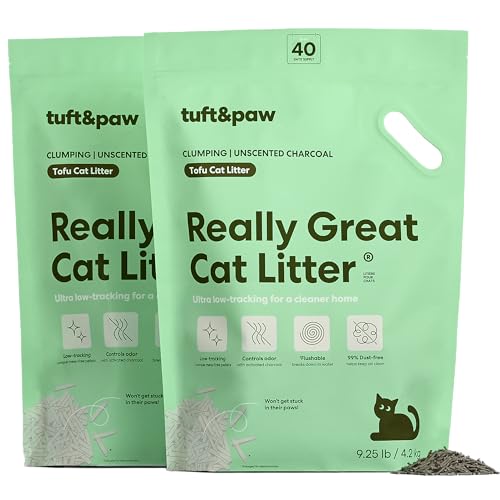
Clumping Pellet Pick: Tuft & Paw Really Great Cat Litter, Unscented
Pellet Cat Litter Types Compared
| Type | What Happens to Urine | How You Clean It | Special Box Needed? |
|---|---|---|---|
| Pine | The pellets break down into sawdust | Scoop solids, shake the box, dump it when it’s mostly sawdust | No |
| Paper | The pellets soak it up | Scoop out waste and wet pellets, then top up | No |
| Breeze zeolite | It passes through to a pad below | Scoop solids, change the pad and pellets as Purina directs | Yes, the Breeze system |
| Clumping plant | It forms a clump | Scoop clumps like clay | No, but your scoop’s slots must fit the pellets |
Pine Pellets: They Turn to Sawdust
Pine pellets fall apart into sawdust when urine hits them, while dry pellets keep their shape. Feline Pine’s directions are to scoop the solids, gently shake the box so whole pellets rise, and leave the sawdust underneath. When the box is about 90% sawdust, you start fresh.
That routine surprises most people coming from clay. Our guide to pine pellets for cat litter walks through it, with Feline Pine and other pine picks.
Paper Pellets: They Soak It Up
Paper pellets absorb urine and hold it inside the pellet. Nothing turns to sawdust and nothing clumps, so you remove the wet pellets along with the solid waste.
ökocat’s directions are to fill the box 2 to 3 inches deep, remove expanded urine-soaked pellets, scoop solid waste daily and refill as needed. The brand also directs a full litter replacement, so follow the current bag directions for timing. Other paper brands can differ, so check the bag. Our paper cat litter guide covers the type in more depth.
Breeze Zeolite Pellets: Urine Goes Straight Through
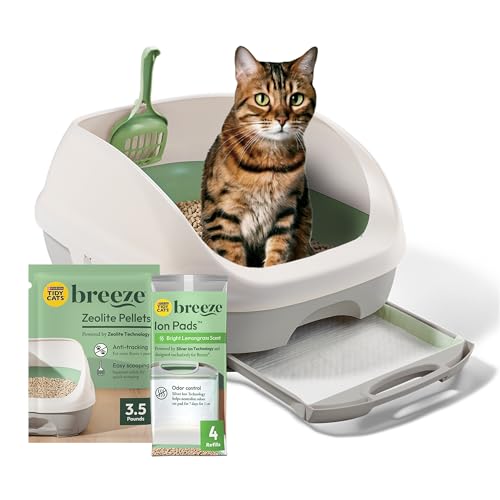
Breeze works like no other litter. Purina designed the zeolite pellets to let urine pass through to an absorbent pad in a drawer underneath. Solid waste stays on top of the pellets for scooping.
The pellets don’t clump, and you add more as needed. You need the Breeze litter box for this to work, since the slotted tray and pad drawer are what make the system run. Our Breeze litter box review goes deeper.
Clumping Plant Pellets: They Clump Like Clay
Tofu-style pellets are pressed from plant fiber, often soy, and they clump when wet. You scoop the clumps the way you would with clay. It’s the most familiar routine of the four.
Tofu-style litter isn’t always pure soy, though. Some blends add other plant fibers or even clay, which our tofu cat litter guide explains.
Before You Switch to Pellets
Pellets feel very different from fine litter under a cat’s paws, and each brand gives its own switching directions. ökocat says to fill half a clean box with its paper pellets and top it off with your current litter, then use more ökocat and less of the old litter each time. Purina’s first step for Breeze is mixing a full bag of Breeze pellets into your current litter box before you set up the new system.
For any other brand, check the bag first. Our guide on how to transition cat litter covers the rest.
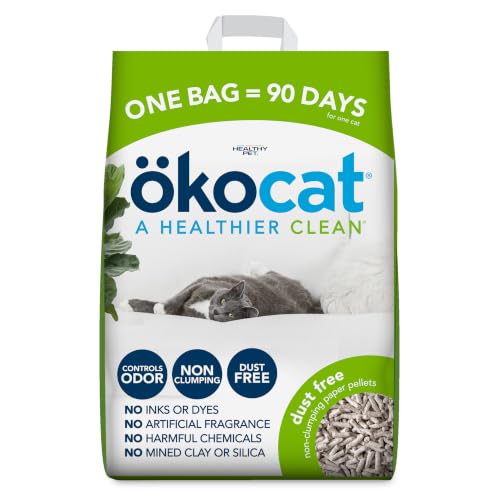
ökocat Dust Free Paper Pellet Litter
Why It Stands Out
Multiple reviewers confirm it gives off no dust, which is the main reason people choose it. ökocat makes it from reclaimed white paper fiber with no inks, dyes or added scent.
The pellets are soft and light, and ökocat says the paper fiber has plant-based odor control added to suppress ammonia odors.
Possible Downsides
Because it doesn’t clump, you have to identify and remove the expanded, urine-soaked pellets rather than lifting out one formed clump.
Best For
Owners who want a non-clumping pellet that stays clean and white.
Purina Tidy Cats Breeze Litter Box System
Why It Stands Out
Reviewers say urine odor stays down, including multi-cat households that have run Breeze for years. Owners also report much less tracking than with the clumping litter they used before.
Solid waste sits on the surface instead of getting buried, so several reviewers say the exposed solids are quick to scoop.
Possible Downsides
It only runs on its own refills. Purina designs the Breeze pads and pellets for the Breeze system, so you’re buying both for as long as you use it.
Best For
Owners who’d rather change a pad than scoop urine clumps.
Tuft & Paw Really Great Cat Litter, Unscented
Why It Stands Out
Tuft & Paw makes it from soybean-based pellets with charcoal for odor control and no added fragrance. Most reviewers confirm it tracks little and makes very little dust.
Reviewers also praise its clumping. One who compared it with a pine pellet litter preferred how cleanly it clumped.
Possible Downsides
Tuft & Paw says the pellets may not work reliably in many automatic litter boxes. They’re also larger than typical litter granules, so use a scoop with slots wide enough for the pellets.
Best For
Owners who want low-tracking pellets but don’t want to give up scooping clumps.
Frequently Asked Questions
Can you use pine pellets in a Breeze litter box?
Purina doesn’t recommend using alternative litter in the Breeze system. Its Zeolite Pellets are designed to let urine pass through to the pad below, so follow the system’s directions and use Breeze pellets.
What scoop works for pellet litter?
One with slots wide enough for the pellets. For pine pellets, a wide-slat scoop lets sawdust fall through while whole pellets stay. Our pine pellet guide has a pick.
How much pellet litter goes in the box?
Follow the bag. ökocat says 2 to 3 inches for its paper pellets. Purina says one 3.5 lb bag of pellets fills an Original or Hooded Breeze system, and the XL system takes two bags.
Is pellet cat litter flushable?
Don’t assume a litter is flushable. Clay-based litter shouldn’t be flushed. For non-clay formulas, follow the disposal directions on the package and local wastewater rules.