Disclaimer: This post may contain affiliate links. As an Amazon Associate, we earn from qualifying purchases.
Last updated on September 29, 2026
If your cat stopped using the litter box after months or years of getting it right, something changed. Cats don’t forget their training. They react to something new, even when that something is small enough that you missed it.
This guide walks through the order that works: rule out pain, list what changed, then undo those changes one at a time so you know exactly what fixed it.
When a cat stopped using the litter box after using it normally, the cause is usually a recent change: pain or illness, a different litter, a moved or dirty box, or stress in the home. Rule out a medical cause first, then change one thing at a time.
Step 1: Rule Out Pain First
A sudden change in litter box habits is worth treating as medical until your vet says otherwise. Illnesses that make urinating or pooping painful can lead a cat to link the box itself with that pain, so they start avoiding it.
Some conditions also make cats drink and pee more, so they can’t always make it to the box in time. Older cats with stiff joints may find stepping in or squatting uncomfortable.
If your cat is straining with little or no urine coming out, especially a male cat, go to an emergency vet now. That can be a urinary blockage. Our guide on why a cat lays in the litter box covers the warning signs in more detail.
Step 2: List Everything That Changed
Think back to when the accidents started, then work through this list. The trigger is often something that didn’t seem worth noticing.
The litter. A new brand, a new scent or a different texture can be enough. Here’s one most owners miss: the litter may have changed even if you didn’t switch. Brands reformulate. Long-time buyers of several popular litters have reported that the same product suddenly felt, smelled or clumped differently.
The box. It may have moved, gotten a new cover or liner, or been scrubbed with a strong cleaner. Bleach, ammonia and heavily scented cleaners can put cats off a box.
The routine. Scooping less often during a busy week counts. So does less litter in the box, or a box that’s overdue for a full wash.
The household. New pets, visitors, a new baby, renovations, rearranged furniture and even outdoor cats seen through a window can all make a cat uneasy.
The cat. Your cat may have been startled mid-use by a noise or another pet. One scary moment can be enough to make the box feel unsafe.
Step 3: Undo One Change at a Time
This is where most fixes go wrong. Owners switch the litter, move the box and deep clean everything in the same week, then have no idea what worked, or which change made it worse.
Instead, reverse the most likely change first and give your cat time to respond before changing anything else. Keep simple notes on where and when accidents happen so you can tell whether things are improving.
If new litter is the likely cause, go back to the old one. If you want to switch again later, do it gradually with our guide on how to transition cat litter. If the box moved, move it back. Once a cat has a location it likes, it’s best not to move the box unnecessarily.
Step 4: Clean the Accident Spots Properly
If your cat can still smell urine in a spot, they’ll keep going back to it. Regular cleaners can mask the smell for you while leaving enough behind for your cat.
Use an enzyme cleaner that breaks the odor down instead of covering it. The Hepper Advanced Bio-Enzyme Pet Stain and Odor Eliminator is a good option. Most reviewers say it works on cat urine, and one owner used it to stop a stubborn repeat marking problem.

While the habit resets, block access to the spot or consider placing a litter box there temporarily. Once your cat is using that box reliably, move it back to a better location a little at a time.
Step 5: Give the Box a Fresh Start
Empty the box completely, clean it with hot water or a small amount of mild unscented soap, rinse well, and refill it with fresh litter. Sometimes that reset is all it takes, especially if the box had been overdue.
Adding a second box somewhere else in the home also helps while you work out the cause. The usual rule is one box per cat plus one extra.
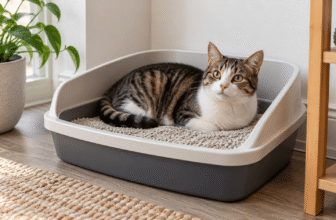
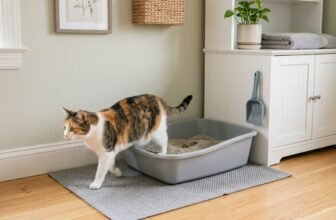
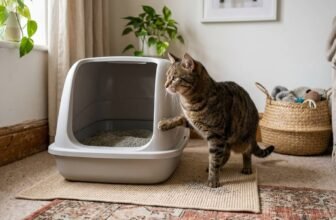
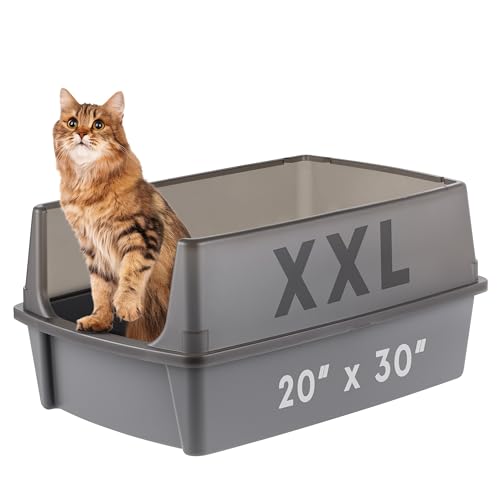
If the recent change was adding a cover, take it off. Covered boxes can make some cats feel trapped because they can’t see what’s coming. An open box like the IRIS USA Extra Large Open Top Litter Box keeps sightlines clear while its high sides still contain digging.
If you’re trying to figure out what your cat’s specific behavior means, like going right next to the box or only peeing outside it, our guide on why a cat refuses to use the litter box breaks down each pattern.
Frequently Asked Questions
Why did my cat stop using the litter box after we moved?
A new home means new smells, new sounds and a box in an unfamiliar spot. Set the box up in a quiet room and let your cat settle there before gradually opening up more of the home.
Why did my cat stop using the litter box after I cleaned it?
The cleaner may be the culprit, especially if it had a strong scent. Strip the box, rewash it with plain hot water, rinse it well, and refill it with fresh litter.
Why did my senior cat stop using the litter box?
Older cats often find high sides hard to step over, especially with stiff joints. Book a vet check first, then look at a box with a lower entry. Our guide to the best litter box for senior cats covers the options.