Why Is My Cat Not Using the Litter Box? Simple Fixes

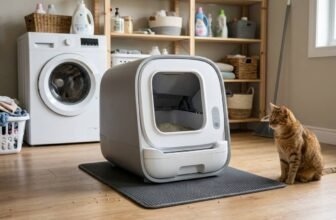
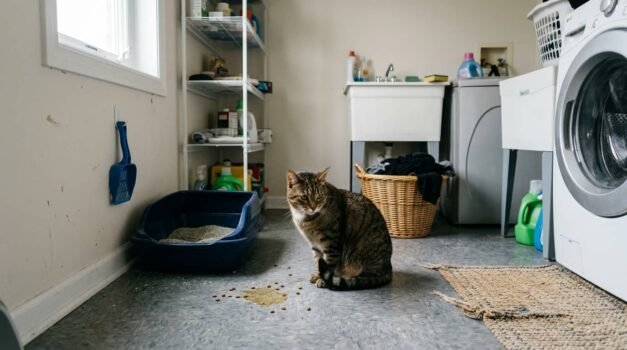
cat sitting near litter box but not using it with accident on floor

Disclaimer: This post may contain affiliate links. As an Amazon Associate, we earn from qualifying purchases.

If you’re dealing with accidents outside the box, you’re probably wondering why is my cat not using the litter box all of a sudden.

This problem usually shows up without warning. One day, everything is normal, and the next, you’re cleaning up messes on the floor, carpet, or nearby surfaces. That sudden change is what makes it confusing.

In most cases, your cat isn’t forgetting how to use the litter box. Something about the situation has changed, and they’re reacting to it.

Once you figure out what’s bothering them, the behavior starts to make a lot more sense and becomes much easier to fix.

Quick Answer

Why is my cat not using the litter box? In most cases, it comes down to a problem with the litter box setup, stress in the environment, or a medical issue. Your cat usually knows where to go but is avoiding the box because something about it feels uncomfortable, unsafe, or unpleasant.

Infographic explaining why is my cat not using the litter box, including medical issues, litter box setup problems, stress, litter preferences, and cleaning habits

Step 1: Rule Out a Medical Issue First

Before changing anything else, it’s important to make sure there isn’t a physical reason behind the behavior.

If your cat is straining, going very frequently, producing small amounts, or showing signs of discomfort, this can point to a urinary or digestive problem. These issues can make the litter box painful to use, which leads your cat to avoid it.

Sudden changes are especially important to pay attention to. If your cat has been using the box normally and stops without any clear reason, a vet check is the safest first step.

For older cats, joint pain can also play a role. If getting into the box is uncomfortable, they may choose an easier spot nearby instead.

If everything checks out medically, the next step is to look at the litter box setup itself.

Step 2: What Changed? Start Here First

Most litter box problems start after a small change that doesn’t seem like a big deal at first.

Think about anything that has changed recently.

This could be:

  • a new type of litter
  • moving the box to a different location
  • adding a cover or liner
  • a new pet or person in the home
  • a change in routine or noise levels

Cats are very sensitive to their environment. Even a small change can make the litter box feel different enough that they avoid it.

If you can connect the behavior to a recent change, that gives you a strong starting point for fixing it.

The Most Common Reasons Cats Stop Using the Litter Box

Once you rule out a medical issue and think through recent changes, the next step is to look at the most common causes.

In most cases, the problem comes down to something specific your cat doesn’t like about the litter box or its environment.

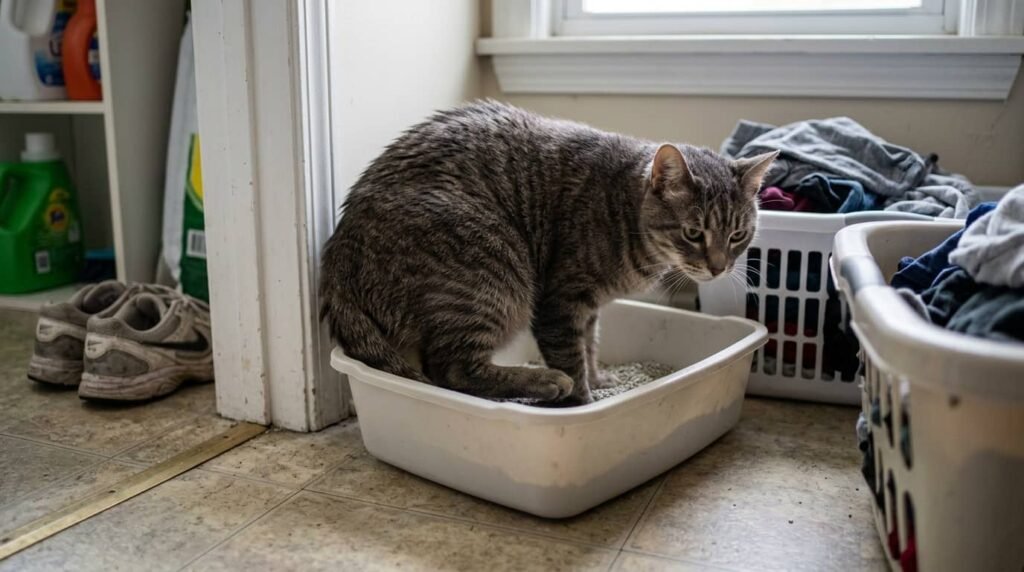
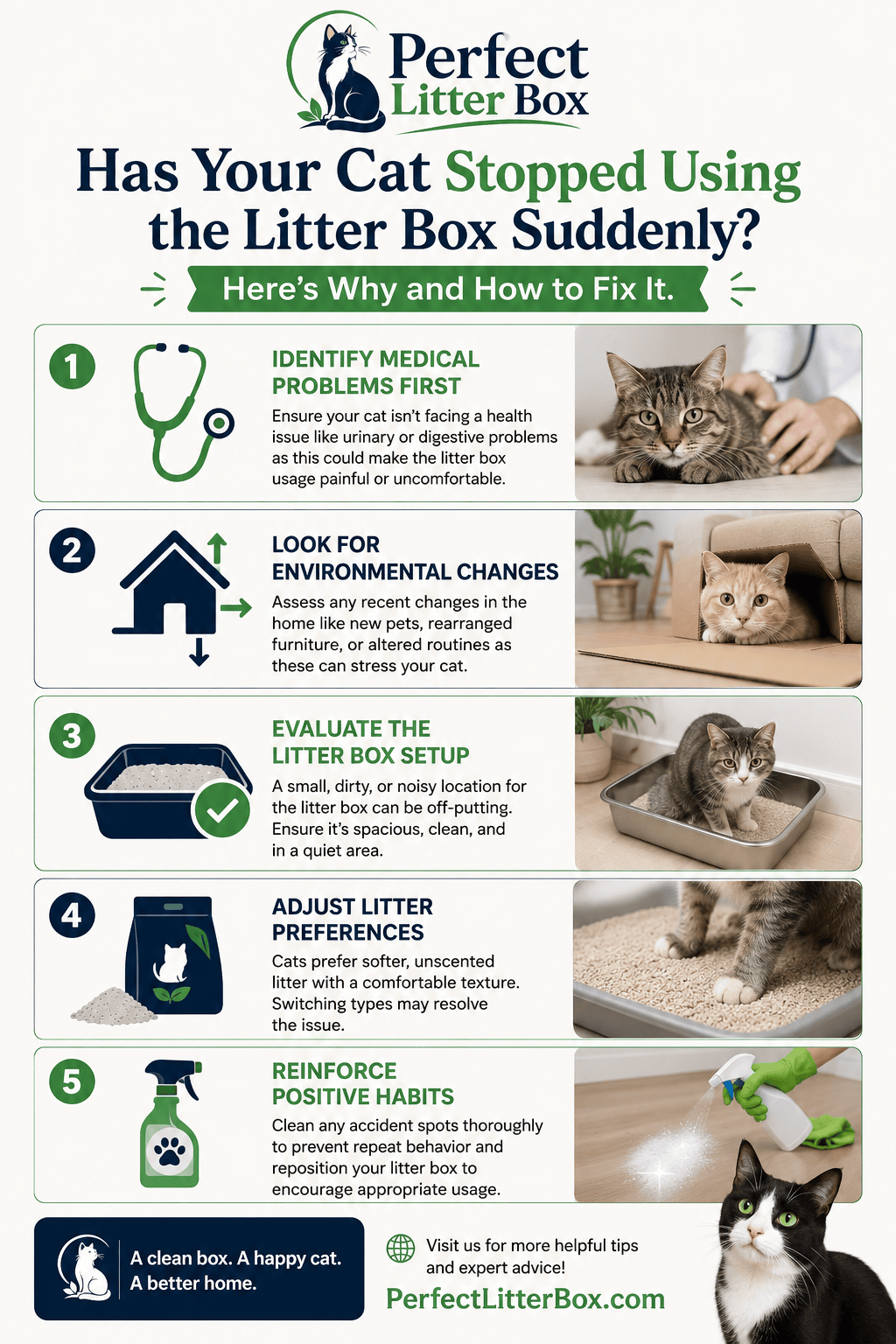
The Litter Box Is Too Small

cat trying to use a litter box that is too small

Cat sitting near the litter box but avoiding it, which often points to a problem with the setup rather than training

This is one of the most overlooked issues.

If the box is too small, your cat can’t turn, dig, and position comfortably. When that happens, they may avoid the box entirely or start having accidents nearby.

This shows up a lot with larger cats, but even average-sized cats can feel cramped in standard litter boxes.

For example, using an extra-large litter such as the IRIS XXL Litter box box gives your cat enough space to turn and position comfortably, which is something many standard boxes don’t allow.

There Aren’t Enough Litter Boxes

One box is often not enough, especially if you have more than one cat.

Cats don’t always like sharing, and some won’t use a box that already smells used. Others may avoid it completely if another cat is nearby.

Adding an extra litter box in a different location can solve this quickly. It gives your cat options and removes pressure around one single spot.

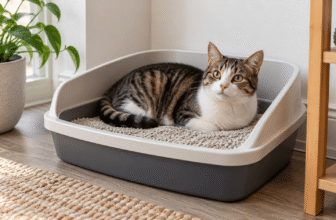
Your Cat Doesn’t Want to Use the Same Box for Pee and Poop

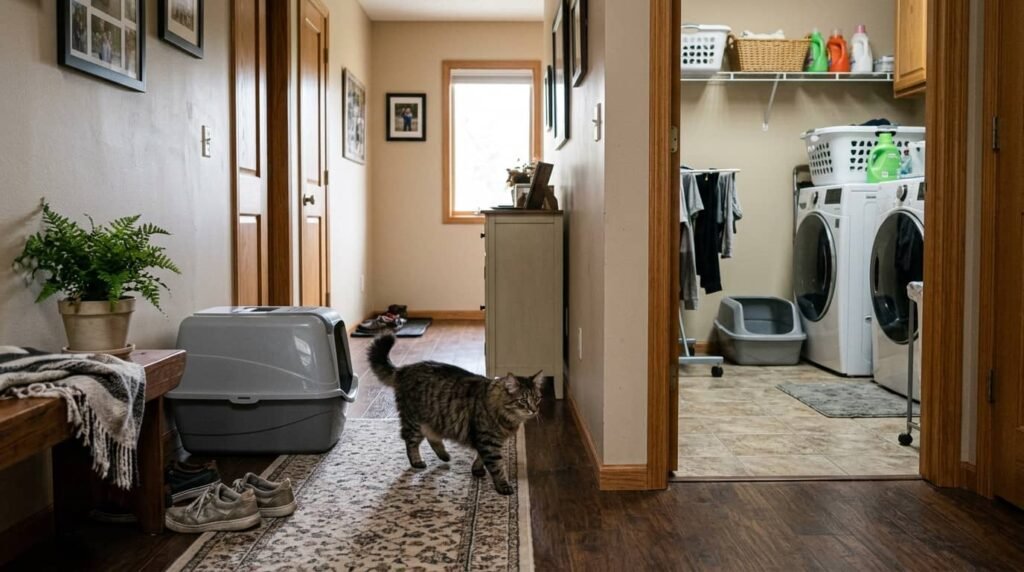
two litter boxes placed in different areas of a home for one cat

Placing litter boxes in different areas gives your cat more options and helps prevent accidents

Some cats are very particular about this.

They will use the litter box for pee, but avoid using the same space for poop, especially if the litter already smells or feels used.

When that happens, your cat may go right next to the box instead of inside it.

Adding a second litter box nearby often fixes this quickly. It gives your cat a separate space without forcing them to change their habits.

Placing the boxes in different areas instead of side by side usually works better.

The Box Smells Worse Than You Think

Even if it looks clean, your cat may still think it smells.

Cats have a much stronger sense of smell, and once odor builds up, they may avoid stepping inside the box.

Daily scooping helps, but over time, plastic boxes can hold onto odor. If you’re not sure how often you should be cleaning, this guide on how often you should scoop a litter box breaks it down clearly. That smell doesn’t fully go away and can push your cat to find a cleaner spot nearby.

Switching to a material that doesn’t absorb odor can make a noticeable difference. A stainless steel litter box such as the WoofiGo doesn’t hold onto smells the way plastic does, so it stays cleaner and fresher with regular use.

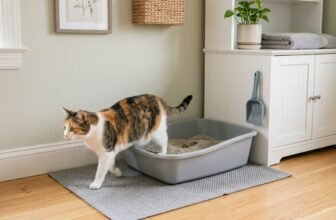
The Litter Feels Wrong

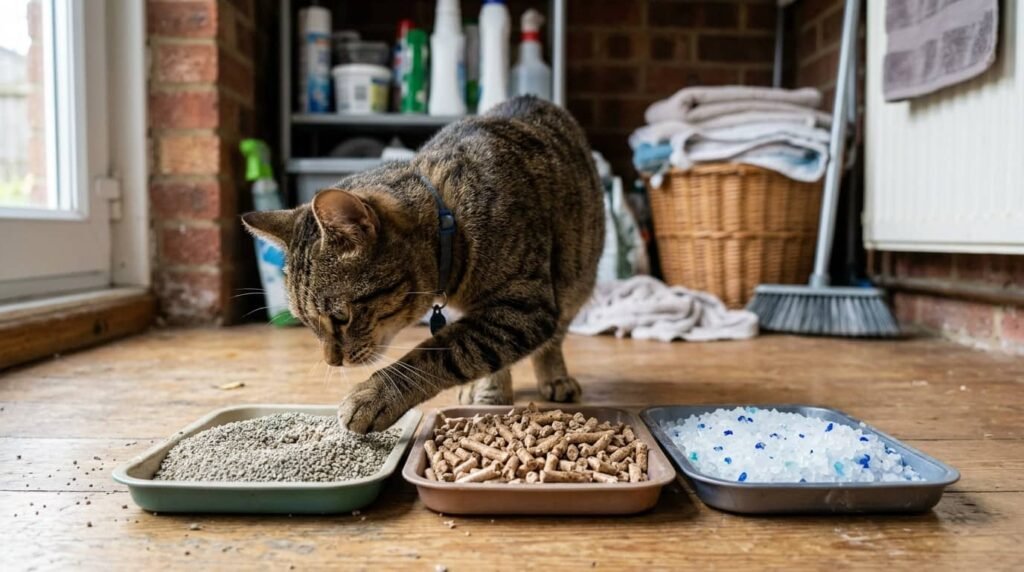
cat comparing different types of litter including clay pellets and crystal litter

Cats often prefer softer, unscented litter, and may avoid the box if the texture feels uncomfortable

Litter texture and scent matter more than most people expect.

If the litter is too rough, too dusty, too deep, or heavily scented, your cat may avoid using it.

Fine, unscented litter such as Dr Elsey’s ultra unscented clumping cat litter  tends to work best because it feels soft and natural under their paws.

If the problem started after switching litter, going back to the previous type is often the simplest fix.

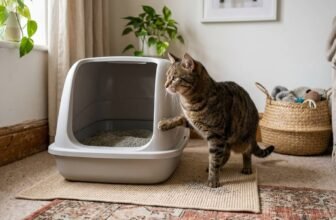
The Box Location Is a Problem

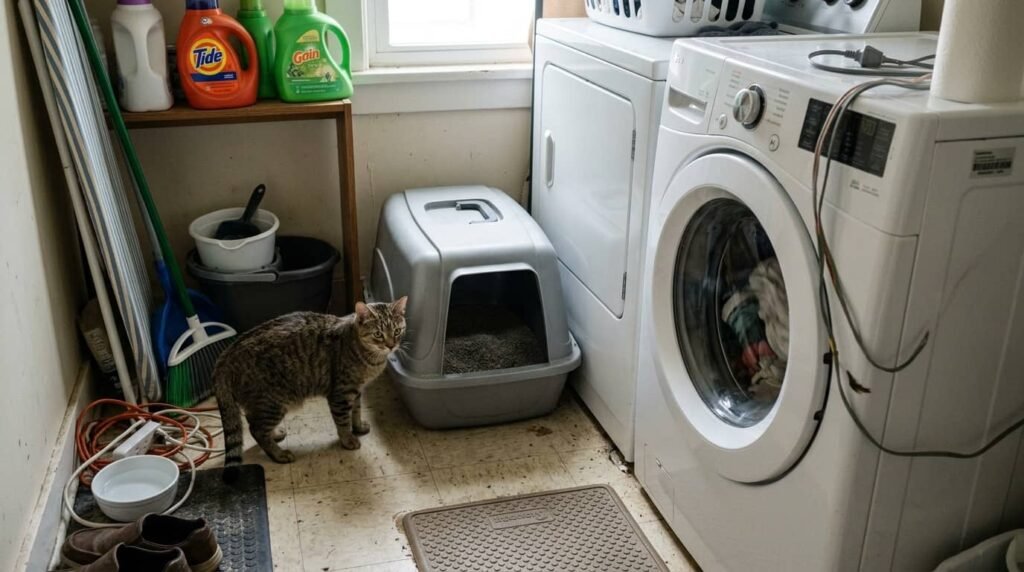
cat standing near a litter box placed next to a noisy washing machine in a cramped laundry room

Litter boxes placed in noisy or cramped areas can make cats feel unsafe and lead to accidents outside the box

Where the litter box is placed can make a big difference.

If it’s in a loud area, near appliances, or tucked into a tight corner, your cat may not feel comfortable using it.

Cats prefer quiet, low-traffic areas where they can see their surroundings and leave easily.

Moving the box to a more open and calm location can help resolve the issue quickly.

Stress or Changes in the Home

Cats are very sensitive to changes.

A new pet, a new person, moving furniture, or even changes in routine can cause stress that leads to litter box avoidance.

In multi-cat homes, one cat may also block or intimidate another from using the box.

When that happens, your cat may avoid the box even if everything else seems fine.

Step-by-Step Fix (What to Do Starting Today)

If your cat is not using the litter box, the fastest way to fix it is to make a few targeted changes and watch how your cat responds.

Start simple and work through these steps one at a time.

Step 1: Reset the Litter Box

Start by giving the litter box a full reset.

Empty it completely, wash it with mild soap, and refill it with fresh litter. Even if it looks clean, this removes any built-up odor or residue your cat may be reacting to.

If your cat starts using the box again right away, the issue was likely smell or buildup.

Step 2: Upgrade the Litter Box Setup

If the box is small, enclosed, or hard to access, your cat may avoid it.

Switching to a larger, open litter box such as the WoofiGo gives your cat more room and better visibility. This alone solves a lot of litter box problems.

If odor has been an issue, using a stainless steel litter box can also help keep the box fresher over time.

Step 3: Add Another Litter Box

If you only have one box, add a second one.

Place it in a different area of your home or near where accidents are happening. This gives your cat another option and reduces pressure around a single location.

This step is especially important if your cat is using the box sometimes but not consistently.

Step 4: Adjust the Litter

If you recently changed litter, switch back.

If not, try a soft, unscented litter with a fine texture such as Dr Elsey’s Ulta unscented clumping cat litter. Keep the depth around 2 to 3 inches so your cat can dig comfortably without sinking.

Small changes in texture or scent can make a big difference in whether your cat wants to use the box.

Step 5: Clean Accident Areas Properly

If your cat has been going outside the box, cleaning those areas properly is critical.

Regular cleaners don’t remove the scent completely. If your cat can still smell it, they will keep going back.

Use an enzymatic cleaner such as Nature’s Miracle Urine Destroyer to break down the odor fully so the area no longer feels like a bathroom spot.

Step 6: Improve the Location

Take a look at where your litter box is placed.

If it’s near a loud appliance, in a tight corner, or somewhere your cat feels trapped, move it to a quieter, more open area.

Your cat should be able to enter, use the box, and leave without feeling stressed or cornered.

If you’re not sure what the ideal setup looks like, this guide on where to put a litter box breaks down the best locations and what to avoid.

Cleanup and Resetting the Habit

Even after you fix the main issue, your cat may still return to the same spot out of habit.

If that happens, block access to the area temporarily or place a litter box directly over the spot. Once your cat starts using it again, you can gradually move the box back to a better location.

The goal is to break the cycle and rebuild the habit in the right place.

Frequently Asked Questions

Why did my cat suddenly stop using the litter box?

This usually happens after a change. It could be the litter, the box location, a new pet, or even something small like noise or routine. Sudden changes can also point to a medical issue, so it’s worth paying attention.

Why is my cat peeing outside the litter box but still pooping in it?

This often points to a specific issue with urination, such as discomfort, stress, or litter preference. It can also mean the box is acceptable for one behavior but not both.

Why is my cat pooping outside the litter box but still peeing in it?

This can be related to box cleanliness, size, or discomfort while squatting. Some cats also prefer separate spaces for different behaviors.

If your cat is going right beside the box instead of inside it, this usually points to a specific setup issue, which you can break down further in this guide on cat pooping next to a litter box.

Will my cat start using the litter box again?

In most cases, yes. Once you fix what’s bothering your cat, they usually return to using the box fairly quickly.

Is my cat doing this on purpose?

No. Cats don’t avoid the litter box out of spite. When this happens, it’s a reaction to something that feels wrong to them.

Final Thoughts

When you’re trying to figure out why is my cat not using the litter box, it can feel overwhelming at first because there are so many possible causes.

But most of the time, the issue comes down to something simple. The box is too small, the litter feels wrong, the location isn’t ideal, or something in the environment changed.

Once you identify what’s bothering your cat and make a few adjustments, the behavior usually improves quickly.

Perfect Litter Box
Logo