Best Litter Box Accessories That Actually Make Cleaning Easier

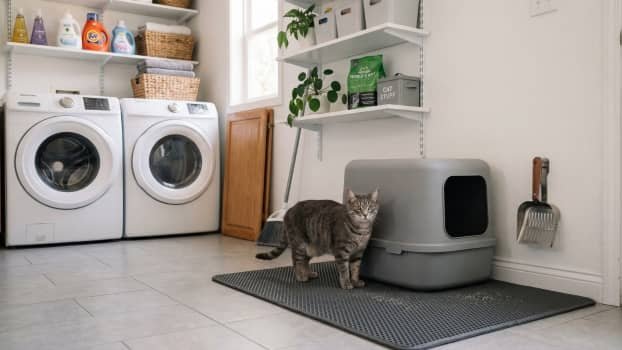
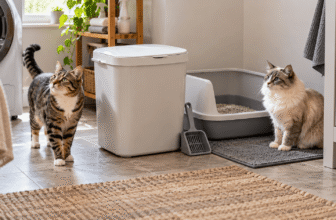
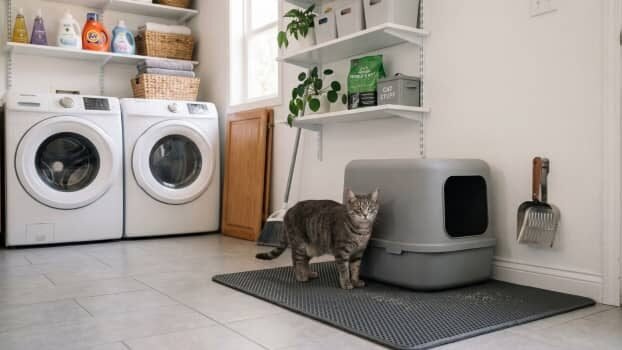
clean litter box setup in laundry room with mat scoop and storage

Disclaimer: This post may contain affiliate links. As an Amazon Associate, we earn from qualifying purchases.

A clean litter box setup isn’t just about the box itself. The real difference comes from the small things around it—how you manage odor, how you deal with tracking, and how easy it is to scoop and maintain every day.

clean litter box setup in laundry room with mat scoop and storage

A simple setup with the right litter box accessories makes cleaning easier and helps keep the area tidy.

That’s where the right litter box accessories come in. The right setup can keep litter contained, reduce smell, and make daily cleaning quicker and less frustrating.

This guide walks through the litter box accessories that actually make a difference, which ones are worth starting with, and how to build a setup that works for both you and your cat.

Litter Box Accessories That Make Cleaning Easier

Some litter box accessories make a real difference, while others don’t change much at all. The ones worth using are the ones that fix everyday problems, like litter getting tracked across the floor, smells building up too quickly, or cleaning taking more time than it should.

Focusing on those problems makes it easier to choose the right accessories without overcomplicating your setup.

Below are the litter box accessories that actually help and how to decide which ones are worth adding to your home.

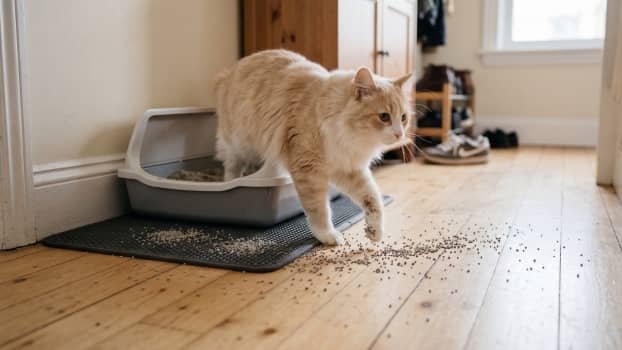
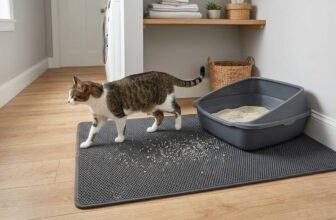
cat litter scattered on floor as cat walks out of litter box onto mat

Litter often sticks to your cat’s paws and gets tracked outside the box, even with a mat.

Essential Litter Box Accessories (What Actually Matters)

Start with these core accessories before adding anything else. These are the ones that make the biggest difference in day-to-day cleaning, odor control, and keeping the area around the litter box manageable.

Litter Mats (Best for Tracking)

Litter mats are one of the simplest ways to stop litter from spreading around your home. If you want a closer look at what actually works, this guide on choosing the right cat litter mat breaks down the best designs, sizes, and setups for reducing tracking.

Placing a mat directly in front of the box catches loose litter as your cat steps out, instead of letting it get carried across the floor.

Larger mats tend to work better, especially if your cat jumps out of the box instead of stepping out slowly. Double-layer mats can trap litter underneath the surface, while textured mats help knock it off your cat’s paws.

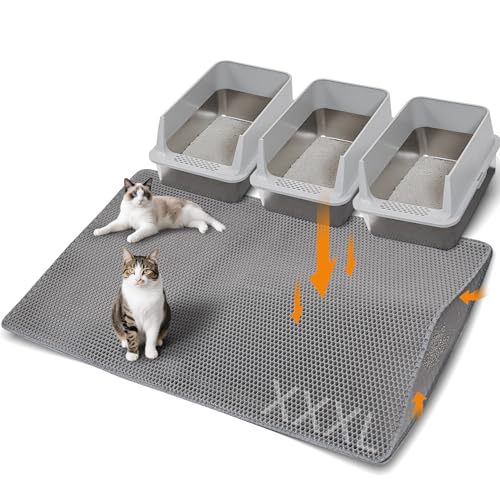
A good example is a double-layer litter mat that traps litter between two layers, making it easy to shake out and reuse.

If you want to reduce tracking right away, this is a good example of a double-layer litter mat that catches and traps loose litter.

cat litter mat double layer honeycomb design trapping litter from paws

If you want to reduce tracking right away, this is a good example of a double-layer litter mat that catches and traps loose litter.

View on Amazon

If litter is still getting everywhere, it’s usually a placement or size issue rather than the mat itself.

Litter Scoops (Makes Daily Cleaning Faster)

A good scoop makes a noticeable difference in how quickly you can clean the box. Cheap plastic scoops often bend or let smaller clumps fall through, which slows everything down. If you want a deeper breakdown of what actually works, this guide on choosing the right cat litter scoop walks through it step by step.

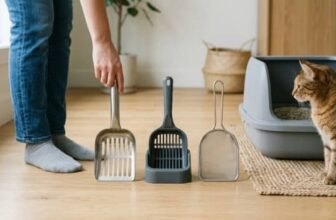
Stronger scoops—especially metal ones—hold their shape and lift clumps cleanly without breaking them apart. The size of the slots also matters. Smaller holes work better for finer litter, while wider slots are better for larger clumps.

One example is a stainless steel scoop with a deep basket and solid handle, which makes it easier to sift clean litter without struggling.

If you’re looking for something sturdier that makes daily cleaning faster, this type of stainless steel scoop is a solid option.

stainless steel cat litter scoop with deep basket for easy clump removal

View on Amazon

Odor Control Accessories (Helps Keep Smell Under Control)

Even with regular scooping, odor can build up—especially in smaller spaces. Odor control accessories help manage that by absorbing or containing smells instead of letting them spread.

Carbon filters, baking soda-based additives, and low-scent deodorizers are the most useful options. Strong perfumes usually don’t help much and can make the space feel worse.

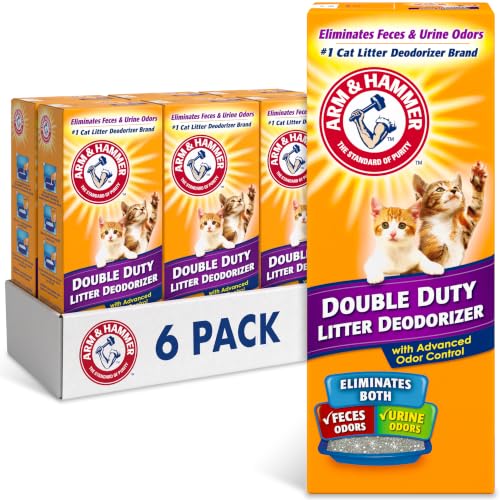
A simple option is a litter deodorizer that helps absorb odor directly in the box and keeps smells under control between cleanings. If you want a deeper breakdown of how different types work and which ones are actually worth using, this guide on choosing the right litter box deodorizer walks through it step by step.

If odor is your main concern, this kind of litter deodorizer is a simple way to keep smells under control between cleanings.

cat litter deodorizer powder for controlling litter box odor

View on Amazon

Waste Disposal Systems (Keeps Odor Out of the Room)

Throwing waste into a regular trash can often leads to lingering smells, especially if it sits for a day or two. A sealed disposal system keeps everything contained until you’re ready to empty it.

These systems use a tight-sealing lid and bag system to trap odor inside, which makes a big difference in smaller homes or apartments.

One example is a compact disposal bin with a sealing lid and refill bags, designed specifically for litter waste.

If you don’t want waste sitting in your regular trash, this type of sealed disposal system makes a noticeable difference.

litter genie cat litter disposal system for controlling odor from waste

View on Amazon

Litter Box Liners (Helpful in Some Setups)

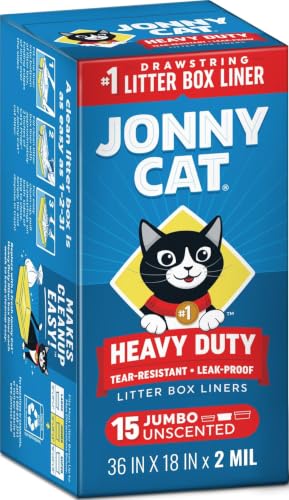
Liners are plastic bags that sit inside the litter box, creating a layer between the litter and the box itself. If you want a closer look at how they actually perform in real setups, this guide on litter box liners breaks down when they work well and when they cause problems. They’re designed to make full litter changes easier since you can lift everything out at once instead of scraping the bottom.

That said, they don’t work for every cat. Some cats claw at them, which can cause tearing or bunching.

Thicker liners that fit tightly tend to work better, especially in multi-box setups where quick cleaning matters.

If you want faster full cleanouts, this type of heavy-duty liner is designed to hold up better and make cleanup easier.

heavy duty cat litter box liners with drawstring for easy cleanup

View on Amazon

Covers, Hoods, and Enclosures (Reduces Scatter, Adds Privacy)

Covers and enclosures can help contain litter scatter and give your cat more privacy. They also make the litter area look cleaner if the box is in a visible part of your home.

If you want to compare different styles, sizes, and designs, this covered litter box guide breaks it down in more detail.

The trade-off is airflow. Some cats don’t like enclosed spaces, and odor can build up faster if ventilation is limited.

If your cat starts avoiding the box, removing the hood is often the first thing to try.

If you want more privacy and less scatter, this type of covered litter box is a common setup many cat owners use.

covered litter box with hood for reducing litter scatter and providing privacy

View on Amazon

Which Litter Box Accessories Do You Actually Need?

It’s easy to end up with too many accessories without really improving your setup. The goal isn’t to add everything, it’s to use the few things that actually make cleaning easier and keep the area under control.

The best way to approach it is to focus on what solves your specific problem.

Must-Have Accessories

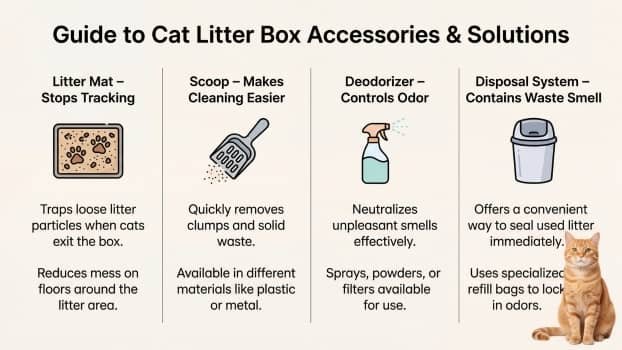
infographic showing litter box accessories and how they help reduce tracking odor and cleaning time

A simple breakdown of the main litter box accessories and how they help reduce mess, odor, and cleaning time.

These are the ones that make an immediate difference in almost every setup.

Litter mat
A mat stops litter from spreading across your floors. Without one, even a clean box can still leave a mess around it.

Sturdy scoop
A good scoop makes daily cleaning faster and less frustrating. It’s one of the few tools you’ll use every single day, so quality matters here.

Worth Adding (Depending on Your Setup)

These aren’t essential for everyone, but they solve common issues and can noticeably improve your setup.

Odor control accessories
Helpful if smell builds up quickly, especially in smaller spaces or rooms without much airflow.

Waste disposal system
Makes a big difference if you don’t want litter sitting in your regular trash. Especially useful in apartments or multi-cat homes.

Optional Accessories

These can help in specific situations, but they’re not necessary for most setups.

Litter box liners
Useful for faster full cleanouts, but only if your cat doesn’t claw at them.

Covers and enclosures
Good for reducing scatter and keeping things visually tidy, but not every cat likes an enclosed space.

Extras (ramps, storage, tools)
Helpful for certain setups—like senior cats or tight spaces—but easy to skip unless you need them.

When you break it down this way… it becomes much easier to build a setup that actually works. Start with the basics, then add accessories based on what’s causing the most frustration.

How to Choose the Right Litter Box Accessories

Choosing the right accessories comes down to your cat, your space, and the specific problems you’re trying to fix. You don’t need everything—you just need the pieces that make your setup easier to manage.

Start With Your Cat and Your Setup

Every cat uses the litter box a little differently. Some kick litter everywhere, while others are more careful. Kittens, large cats, and senior cats all have slightly different needs as well.

In a multi-cat setup, mess and odor build up faster, so accessories that improve cleanup and containment become more important. In a smaller space, odor control and compact setups usually matter more.

Match Accessories to Your Litter Type

Not every accessory works the same with every type of litter.

Finer clumping litter works best with scoops that have smaller slots, while pellet or crystal litter needs wider openings. Mats also behave differently depending on the litter, some trap fine particles better, while others work better with larger granules.

Matching your accessories to your litter type makes everything work more smoothly.

Focus on Cleaning and Durability

The best accessories are the ones that are easy to clean and hold up over time. Materials that don’t absorb moisture or trap residue are much easier to maintain.

Stronger scoops, well-made mats, and durable liners save time in the long run because they don’t need to be replaced as often and don’t make cleaning harder.

Keep It Simple at First

It’s tempting to add multiple accessories at once, but that usually isn’t necessary. Starting with a basic setup makes it easier to see what actually needs improvement.

Once you notice what’s causing the most frustration, whether it’s tracking, odor, or cleanup, you can add the accessory that solves that specific problem.

Simple Litter Box Setup That Actually Works

A good setup isn’t about having more accessories, it’s about using the right ones together so the area stays clean, easy to manage, and comfortable for your cat.

The type of litter you use also plays a big role in how well your setup works. Some litters track more, some control odor better, and some are easier to clean with certain scoops.

Choosing the right litter alongside your accessories makes a noticeable difference, especially when you’re trying to reduce mess or keep odor under control.

Here are a few simple setups that work well in different situations.

Basic Setup (Easy to Maintain)

If you just want something simple that works, this is all you need:

  • Open litter box

  • Litter mat placed directly in front

  • Sturdy scoop nearby

This setup keeps things easy to clean without adding extra steps. The mat handles most of the tracking, and a good scoop keeps daily cleaning quick.

Low-Mess Setup (Best for Tracking Problems)

If litter is constantly getting tracked around your home, this setup focuses on containment:

  • High-sided or enclosed litter box

  • Large litter mat (bigger than you think you need)

  • Litter that produces less dust and tracking

The key here is coverage. A small mat won’t catch enough litter, especially if your cat jumps out of the box.

Odor-Control Setup (Best for Small Spaces)

If smell is the main issue, especially in apartments or smaller rooms:

  • Covered litter box or enclosed area

  • Carbon filter or low-scent deodorizer

  • Waste disposal system with a sealing lid

This setup helps contain odor between cleanings and keeps it from spreading through the room.

Low-Effort Setup (Easier Daily Routine)

If you want to spend less time dealing with the litter box:

  • Durable scoop that doesn’t bend or clog

  • Disposal system placed right next to the box

  • Optional liner for faster full cleanouts

This setup reduces how long each cleaning takes and keeps everything within reach.

Setup Tips That Make a Big Difference

Even small changes in setup can make everything easier:

  • Place the mat where your cat actually steps out, not just in front of the box

  • Keep the scoop and disposal system close so you’re not walking back and forth

  • Avoid placing the box in tight, enclosed spaces where odor builds up quickly

  • Make sure your cat can easily get in and out without hesitation

A simple, well-thought-out setup usually works better than adding more accessories without a clear purpose. Once everything is in the right place, daily cleaning becomes faster and the whole area stays more manageable.

Comparison Table: Litter Box Accessories

Accessory Best For Key Feature
Litter mat Stopping litter tracking Traps litter from paws before it spreads
Litter scoop Daily cleaning Strong design with properly sized slots
Odor control products Reducing smell Absorbs or contains odor between cleanings
Disposal system Containing waste odor Sealed lid keeps smells trapped inside
Litter box liners Faster full cleanouts Allows you to lift and replace litter quickly
Covers/enclosures Reducing scatter and adding privacy Contains litter while keeping the area tidy


FAQs About Litter Box Accessories

What litter box accessories are actually essential?

The most useful litter box accessories are a litter mat and a sturdy scoop. These handle the two biggest issues, tracking and daily cleaning.

Other accessories like odor control products or disposal systems can help, but they depend on your setup and how much odor or mess you’re dealing with.

How do I stop litter from tracking everywhere?

A large litter mat placed directly in front of the box makes the biggest difference. Size matters more than most people expect, especially if your cat jumps out of the box.

If tracking is still a problem, switching to a lower-tracking litter or adjusting the placement of the mat usually helps.

What helps the most with litter box odor?

Consistent scooping is the biggest factor, but accessories can help keep things under control between cleanings.

Carbon filters, low-scent deodorizers, and sealed disposal systems all help reduce odor without making the space smell artificial.

Are litter box liners worth using?

Liners can make full cleanouts faster, but they don’t work for every cat. Some cats scratch or tear them, which makes them harder to use.

They tend to work best in setups where quick litter changes are more important than long-term durability.

Do cats prefer covered or open litter boxes?

It depends on the cat. Some prefer the privacy of a covered box, while others avoid enclosed spaces.

If a cat suddenly stops using the litter box, removing the cover is often one of the first things to try.

How often should I replace litter box accessories?

It depends on the item. Mats and scoops can last a long time if they’re well made, while filters, liners, and deodorizers need to be replaced more regularly.

If something starts to hold odor or becomes harder to clean, it’s usually time to replace it.

Final Thoughts

You don’t need a long list of accessories to have a clean, manageable litter box setup. A few well-chosen items, like a good mat and a sturdy scoop, can solve most of the common problems right away.

From there, it’s just about improving what matters most in your space. If tracking is the issue, focus on containment. If odor builds up quickly, add simple odor control or a better disposal system.

A simple setup that works for your cat is always better than adding accessories you don’t actually need. Start with the basics, adjust as needed, and you’ll end up with a setup that’s easier to clean and easier to live with.

Perfect Litter Box
Logo