Best Litter Box Deodorizer for Odor Control (Safe & Effective Options)

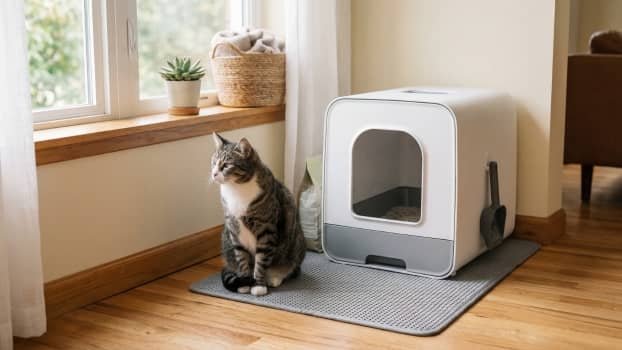
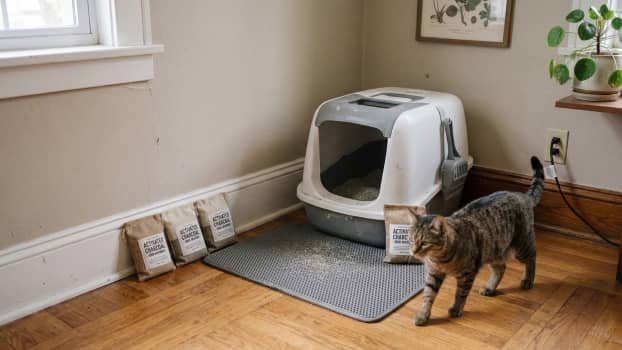
litter box deodorizer setup for odor control with cat nearby

Disclaimer: This post may contain affiliate links. As an Amazon Associate, we earn from qualifying purchases.

Litter box odor can build up fast, even when you’re scooping regularly. You clean it, add fresh litter, and a day later the smell is back again. That’s usually when people start looking for a litter box deodorizer.

A deodorizer can help control odor, but it isn’t a complete fix on its own. The biggest difference comes from a consistent cleaning routine, with the deodorizer working as a support tool rather than the main solution.

It’s also worth being careful about what you add to your cat’s litter box. Some products rely on strong fragrances or chemical-heavy formulas to cover odor, which can be irritating for sensitive cats or lead to litter box avoidance. What smells “clean” to us doesn’t always work the same way for them.

This guide focuses on options that are generally considered low-risk and more cat-friendly when used as directed. You’ll see what actually helps reduce odor, what to avoid, and how to use these products as part of a simple routine that keeps smells under control without creating new problems.

litter box deodorizer setup for odor control with cat nearby

A clean litter box setup with mat and scoop helps reduce odor and keep the area manageable.

A litter box deodorizer works best when it neutralizes odor instead of masking it, and it’s most effective when combined with regular cleaning.

Quick Picks for Litter Box Deodorizers

Different types of litter box deodorizers work in different ways. This quick comparison shows where each one fits.

Types of Litter Box Deodorizers Compared

Type Best For How It Works
Powder / Mineral Everyday odor control Absorbs moisture and reduces ammonia buildup
Enzyme Spray Deep cleaning Breaks down odor-causing bacteria and residue
Charcoal / Carbon Room odor control Absorbs odor from the air around the litter box
Ammonia Control Powder Multi-cat / strong odor Targets moisture and ammonia for stronger odor control

What Actually Works for Litter Box Odor

A litter box deodorizer works best when it neutralizes odor instead of trying to cover it up. Products that absorb or break down odor, like baking soda, activated charcoal, or enzyme-based formulas tend to be more effective than heavily scented options.

That’s because litter box smell mostly comes from ammonia in urine and bacteria in waste. If a product doesn’t deal with those directly, the odor usually comes back quickly, even if it smells better for a short time.

It’s also important to match the deodorizer to how your litter box is set up. A powder mixed into clumping litter works differently than a spray used during cleaning, and both serve different purposes. Using the right type makes a bigger difference than simply adding more product.

And just as important, a deodorizer works best when the basics are already in place. If the litter box isn’t scooped often enough or hasn’t been fully cleaned in a while, even the best deodorizer won’t keep up with the odor.

Scented vs Unscented Litter Box Deodorizers

Some litter box deodorizers rely on added fragrance to deal with odor. When you first use them, the litter box might smell better right away. Instead of a strong ammonia smell, you get something like “fresh linen” or a light floral scent.

The issue is that this usually doesn’t fix the actual odor. It just layers a new smell on top of it. Once that scent fades, the original odor is still there underneath.

There’s also a more important concern. Cats experience scent very differently than we do. A fragrance that seems mild in the room can be much stronger inside the litter box, where everything is concentrated.

That can make the box feel unfamiliar or uncomfortable. Some cats will hesitate before using it, and others may start avoiding it altogether if the smell becomes too strong.

Unscented deodorizers work in a different way. Instead of trying to cover odor, they focus on reducing it. Ingredients like baking soda, activated charcoal, or mineral-based additives help absorb moisture and trap odor so it doesn’t build up as quickly.

This approach tends to be more reliable, especially if your litter box is in a smaller space or a main living area. It keeps the smell under control without changing the environment in a way that could bother your cat.

If odor is your main concern, unscented options are usually the safer starting point. They’re easier to manage, and they avoid the risk of creating new problems while trying to solve the original one.

Types of Litter Box Deodorizers (And How They Actually Work)

powder spray and charcoal litter box deodorizers with cat nearby

Different types of litter box deodorizers work in different ways, including powders, sprays, and charcoal.

Not all litter box deodorizers work the same way. Some absorb odor, some break it down, and others just try to cover it. Knowing the difference makes it much easier to choose something that actually helps instead of making the situation worse.

Odor control also depends on more than just the deodorizer itself. Things like the litter box, mats, and overall setup all play a role. If you want to see how everything works together, this guide to litter box accessories breaks it down in more detail.

Powders and Granules (Baking Soda, Zeolite, Mineral Blends)

These are the most common type. They’re usually sprinkled into the litter or mixed through it.

Baking soda is the simplest example. It helps absorb moisture and reduce odor buildup. Other products use minerals like zeolite, which are especially good at trapping ammonia запах from urine.

These tend to work best with clumping litter, where they can spread evenly and start working right away. They’re also one of the more straightforward options if you want something low-scent and easy to use.

One thing to watch for is dust. Some powders can be a bit fine, which may not be ideal for cats that are sensitive to airborne particles.

Enzyme Sprays (For Cleaning the Box)

Sprays are often misunderstood. They’re not meant to be sprayed directly into fresh litter as a daily deodorizer.

Instead, enzyme sprays are designed for cleaning the litter box itself. They break down the bacteria and organic waste that cause odor, especially in areas that regular washing might miss.

This is useful when you’re doing a full litter change. After emptying the box, you can use an enzyme cleaner to treat the surface before adding new litter.

If a box still smells even after being washed, this type of product usually makes a noticeable difference.

Activated Charcoal and Carbon Filters

Charcoal-based deodorizers work by absorbing odor from the air rather than interacting with the litter directly.

You’ll see these as:

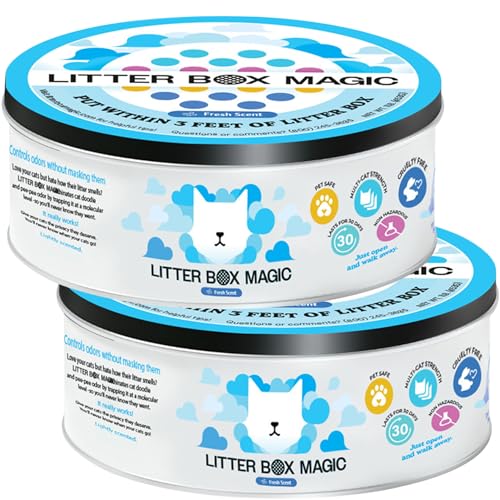
  • small pouches placed near the litter box
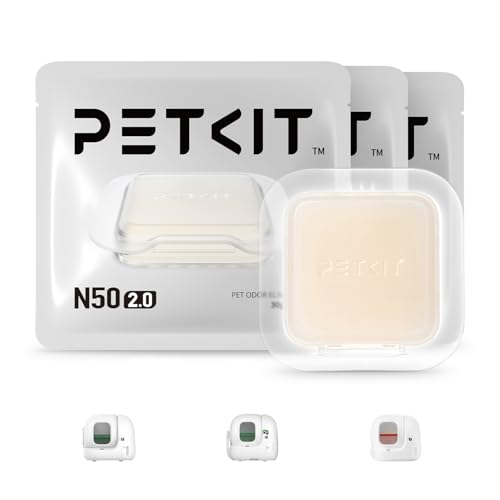
  • filters built into covered litter boxes
  • loose charcoal additives in some cases

They don’t add scent, and they don’t interfere with the litter itself. That makes them a good option if you’re trying to keep things as neutral as possible.

They’re especially useful in smaller rooms or enclosed spaces where odor tends to linger.

Scented Beads and Crystals

These are usually designed to sit on top of the litter and release fragrance over time.

They can make the area smell different right away, but they fall into the “masking” category. The odor isn’t being removed, just covered.

Because of that, they’re less reliable long-term. There’s also a higher chance they can bother sensitive cats, especially in enclosed litter boxes where the scent builds up.

Electronic and “Smart” Deodorizers

Some newer products attach to the litter box or sit nearby and release deodorizing agents automatically.

These vary quite a bit in how they work. Some use light scent dispersal, while others rely on filtration or chemical reactions to reduce odor.

It’s worth being cautious with anything that releases substances into the air continuously. If you’re considering one of these, it’s a good idea to check exactly how it works and whether it’s designed specifically for pet environments.

What This Means for Choosing a Deodorizer

The key difference between these types comes down to one thing:
whether they remove odor or just change how it smells.

Powders, charcoal, and enzyme-based products focus on reducing odor at the source. Scented products tend to cover it.

For most setups, especially if you’re trying to keep things simple and low-risk, starting with an unscented powder or charcoal option is usually the most reliable approach.

How to Choose the Right Litter Box Deodorizer (Based on Your Setup)

The best litter box deodorizer isn’t the same for every situation. What works in one home might not work as well in another, especially depending on where the litter box is and how many cats are using it.

Instead of focusing on brand names, it helps to match the type of deodorizer to your setup.

If Your Litter Box Is in a Small Space

When the litter box is in a bathroom, laundry room, or apartment corner, odor tends to build up faster because there’s less airflow.

In this case, unscented options work better. Strong fragrances can feel overwhelming in a confined space, and they don’t solve the underlying odor anyway.

A combination that usually works well here is:

  • an unscented powder mixed into the litter
  • plus a charcoal deodorizer placed nearby

This helps control odor without making the space feel heavy or artificial.

If You Have Multiple Cats

With more than one cat, odor builds up quickly, even if you’re scooping often.

This is where basic deodorizers can start to fall short. You’ll usually need something that handles ammonia more effectively, like a mineral-based additive or a deodorizer designed for stronger odor control.

It also becomes more important to stay consistent with cleaning. A deodorizer can help slow odor buildup, but it can’t keep up if the litter box is already overloaded.

If Your Cat Is Sensitive to Smells or Dust

Some cats are more sensitive to changes in their litter box than others. If your cat has ever avoided the box after a change in litter or environment, this is something to pay attention to.

In that case, stick with:

  • fragrance-free products
  • low-dust powders or non-powder options like charcoal

Avoid anything heavily scented or overly fine, since both scent and dust can cause irritation or hesitation.

If You Use a Covered or Enclosed Litter Box

Covered litter boxes tend to trap odor inside, which can make smells more noticeable when you open them.

For this setup, charcoal filters or inserts are especially useful. They help absorb odor within the enclosed space without adding scent.

You can still use a powder in the litter, but the added benefit usually comes from improving airflow and using passive odor control like carbon filters.

If You Want a Simple, Low-Cost Option

If you’re just trying to keep things manageable without adding extra products, basic options can still work well.

Baking soda is one of the simplest ways to reduce odor. A light layer at the bottom of the box or mixed into the litter can help absorb moisture and slow odor buildup.

It’s not as strong as some specialized products, but it’s easy to use and doesn’t introduce new scents into the litter box.

The Key Takeaway

The goal isn’t to find the strongest deodorizer. It’s to find something that fits your setup and supports a routine that already keeps the litter box clean.

When the basics are handled first, the right deodorizer makes a noticeable difference. Without that, even the strongest product tends to fall short.

Why Your Litter Box Still Smells (Even With a Deodorizer)

It’s frustrating when you’re using a deodorizer and the litter box still smells. At that point, it usually feels like the product just isn’t working.

In most cases, the issue isn’t the deodorizer itself. It’s that odor is building up faster than the deodorizer can handle.

Not Scooping Often Enough

Odor starts building as soon as waste sits in the litter. Even a good deodorizer can only do so much if the box isn’t being scooped regularly.

Scooping at least once a day helps keep odor from getting out of control. In multi-cat setups, twice a day often makes a noticeable difference.

The Litter Has Been in the Box Too Long

Over time, litter holds onto moisture and odor, even if you’re removing clumps.

At a certain point, adding deodorizer on top doesn’t help much because the entire box has already absorbed odor.

A full litter change resets everything and gives the deodorizer a clean starting point to actually work.

The Litter Box Itself Holds Odor

Plastic litter boxes can absorb odor over time, especially if they’ve been used for a while.

Even after cleaning, smells can linger in the surface, which makes it seem like the litter is the problem when it isn’t.

Using an enzyme cleaner during full clean-outs can help break down that buildup and reduce lingering odor. If the smell keeps coming back, the material of the box can be part of the issue. This breakdown of plastic vs stainless steel litter boxes explains why some boxes hold odor more than others and when it might be worth switching.

In some cases, switching to a stainless steel box can make odor easier to manage long-term, since the surface doesn’t hold onto smell the same way plastic can.

Too Few Litter Boxes

In multi-cat homes, one box often isn’t enough.

When a box gets used too frequently, odor builds faster than it can be managed. Even strong deodorizers struggle in that situation.

Adding another box can reduce how quickly each one gets dirty, which makes odor much easier to control.

Trying to Cover Instead of Fix

If a deodorizer is mainly adding scent, it can give the impression that the problem is handled when it isn’t.

Once the scent fades, the odor comes back just as strong.

That’s why neutralizing odor at the source and keeping the box clean works better than trying to mask it.

The Bottom Line

A deodorizer works best as part of a routine, not as a replacement for one.

When the litter box is scooped regularly, cleaned consistently, and set up properly, the right deodorizer can make a noticeable difference. Without that foundation, even the best product won’t keep up.

Simple Routine for an Odor-Free Litter Box

A deodorizer works best when it’s part of a simple routine. Once everything is working together, odor becomes much easier to manage and doesn’t build up as quickly.

This doesn’t have to be complicated. A few consistent habits make the biggest difference.

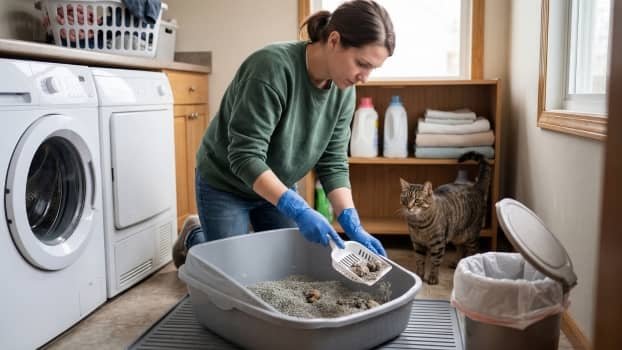
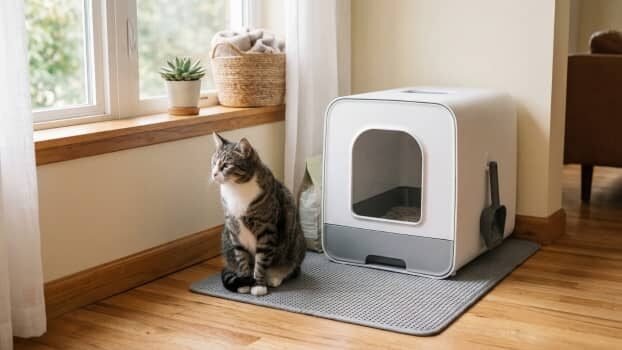
cleaning litter box with scoop to reduce odor buildup

Regular scooping and cleaning is one of the most effective ways to control litter box odor.

Daily: Keep Waste From Building Up

Scoop the litter box at least once a day. This is the single most important step for controlling odor.

If you have more than one cat, scooping twice a day usually keeps things much more manageable. It prevents ammonia from building up and reduces how hard the deodorizer has to work.

You can also lightly top up the litter if needed, so there’s always enough clean material to absorb moisture.

Weekly or Biweekly: Reset the Litter

Even with regular scooping, litter eventually holds onto odor.

Dumping the litter and starting fresh every couple of weeks helps reset the box. This gives you a clean base where a deodorizer can actually do its job instead of trying to fight built-up odor.

Before adding new litter, it helps to wipe or rinse the box so you’re not carrying over any residue.

During Full Clean-Out: Clean the Box Properly

When you fully empty the litter box, take a few extra minutes to clean it properly.

Using an enzyme cleaner can help break down odor-causing residue that regular soap doesn’t remove. This is especially useful if the box has started to smell even after being washed.

Make sure the box is completely dry before adding new litter. Moisture can lead to faster odor buildup.

Where the Deodorizer Fits In

Once the basics are in place, the deodorizer becomes much more effective.

  • Powders can be mixed into fresh litter or lightly sprinkled after scooping
  • Charcoal options can sit near or inside the litter area
  • Sprays are best used during cleaning, not as a daily cover-up

Used this way, a deodorizer helps maintain a clean setup instead of trying to fix an overwhelmed one.

Keep It Simple

The goal isn’t to add more products. It’s to keep a routine that prevents odor from building up in the first place.

Once that’s in place, even simple deodorizers can make a noticeable difference without needing strong scents or complicated solutions.

DIY Litter Box Deodorizer (What Actually Works and What to Avoid)

If you’re trying to keep things simple or low-cost, there are a few DIY options that can help with litter box odor. Some of them work surprisingly well, while others can create more problems than they solve.

The key is sticking with options that reduce odor without introducing strong scents or irritating materials.

Baking Soda (Simple and Reliable)

Baking soda is one of the easiest ways to help control odor.

A light layer at the bottom of the litter box or mixed into the litter can help absorb moisture and slow down odor buildup. It doesn’t add any scent, which makes it a safer choice for cats that are sensitive to changes in their environment.

adding baking soda to litter box to reduce odor naturally

A small amount of baking soda can help reduce litter box odor without adding strong scents.

It’s not as strong as some commercial products, but it works well as a basic support, especially if you’re already scooping regularly.

Activated Charcoal (Stronger Odor Absorption)

Activated charcoal is another option that works by absorbing odor rather than covering it.

Instead of mixing it directly into the litter, it’s usually better to place charcoal pouches or containers near the litter box. This helps reduce odor in the surrounding area without affecting the texture of the litter.

activated charcoal bags placed near litter box for odor control

Charcoal bags placed near the litter box help absorb odor without adding scent.

It’s a good option if the smell tends to spread into the room rather than staying just in the box.

What to Avoid

Some DIY suggestions sound helpful but can cause issues.

Strong essential oils are one of the biggest ones to avoid. Even small amounts can be overwhelming for cats, and certain oils can be harmful if inhaled or ingested.

Powders that create a lot of dust can also be a problem. Fine particles can irritate a cat’s respiratory system, especially in enclosed spaces like covered litter boxes.

Anything that changes the smell of the litter too much can lead to hesitation or avoidance, which creates a much bigger problem than odor.

When DIY Works (And When It Doesn’t)

DIY options work best when the litter box is already being cleaned consistently and odor is relatively under control.

If the smell is strong or keeps coming back quickly, a basic solution like baking soda may not be enough on its own. In that case, a more targeted deodorizer or a change in setup usually makes a bigger difference.

Keep It Practical

Simple solutions can go a long way, but they still depend on the same routine.

Used alongside regular scooping and cleaning, DIY options can help keep odor manageable without adding extra cost or complexity.

Best Litter Box Deodorizers (Top Picks by Situation)

At this point, the goal isn’t to find the strongest product. It’s to find something that fits your setup and works alongside a consistent routine.

These picks focus on low-scent or unscented options that help reduce odor without overwhelming your cat.

Best Overall (Balanced, Low-Scent Option)

This type of deodorizer usually comes in a powder or mineral blend designed to mix directly into the litter.

It works by absorbing moisture and reducing ammonia запах before it builds up. Because it doesn’t rely on heavy fragrance, it tends to be more consistent and easier for cats to tolerate.

This is a good starting point if you want something simple that works with most litter types and doesn’t change the environment too much.

Best Unscented Option for Sensitive Cats

Nature’s Miracle Litter Box Deodorizer

Nature’s Miracle litter box deodorizer powder for odor control

View on Amazon

This type of deodorizer is a good starting point if you want something simple that doesn’t rely on strong fragrance.

One example is a powder-based option like Nature’s Miracle Litter Box Deodorizer. It mixes easily into the litter and helps reduce odor without adding an overpowering scent.

It works by absorbing moisture and slowing down odor buildup rather than trying to cover it. That makes it a better fit for cats that are sensitive to changes in their litter box.

It’s also easy to use. You can mix a small amount into fresh litter or lightly sprinkle it after scooping to help keep things under control between cleanings.

Best for Strong Odor or Multi-Cat Homes

ARM & Hammer Cat Litter Deodorizer Double Duty

Arm and Hammer cat litter deodorizer powder for ammonia odor control

View on Amazon

When odor builds up faster, you need something that can handle ammonia more directly.

A product like Arm & Hammer Double Duty Litter Deodorizer is designed for heavier use. It helps reduce strong odor by targeting moisture and ammonia before it builds up.

It’s mixed directly into the litter, so it starts working right away. In multi-cat setups, this can help slow down odor between cleanings and make the overall setup easier to manage.

Because it does include a light scent, it’s best to use a smaller amount at first and see how your cat responds. Used lightly, it can provide extra odor control without overwhelming the litter box.

Best Spray for Cleaning the Litter Box

THORNELL Cat Odor-Off Concentrate Pet Smell Odor Eliminator

enzyme cleaner for cat litter box urine odor removal

View on Amazon

Sprays are often misunderstood. They’re not meant to be used as a daily deodorizer on top of fresh litter.

Instead, they’re most useful during full clean-outs.

An enzyme-based cleaner works by breaking down the bacteria and residue that cause lingering odor. This is especially helpful if the litter box still smells even after washing.

A product like Thornell Cat Odor-Off is designed specifically for pet odors and works by neutralizing odor at the source rather than covering it up. It can be applied to the empty litter box during cleaning to help remove buildup that regular soap doesn’t fully eliminate.

Used this way, it helps prevent odor from coming back as quickly and makes the entire setup easier to manage over time.

Best Passive Odor Control (Charcoal Option)

Activated Bamboo Charcoal Odor Absorber

activated charcoal odor absorber bags for litter box smell control

View on Amazon

Charcoal-based deodorizers work differently from powders or sprays. Instead of interacting with the litter, they absorb odor from the air around the box.

This makes them a good option if the smell tends to spread into the room rather than staying just in the litter.

A product like activated charcoal odor absorber bags can be placed near the litter box or in the surrounding area. They work quietly in the background, helping reduce odor without adding any scent.

Because they don’t change the litter itself, they’re often a better choice for cats that are sensitive to smell or texture changes. They can also be used alongside other deodorizing methods without interfering with them.

Choosing What to Start With

If you’re unsure where to begin, start simple:

  • an unscented powder mixed into the litter
  • plus consistent scooping

From there, you can add other options like charcoal or cleaning sprays if needed.

The goal is to build a setup that keeps odor under control without relying on strong scents or constant adjustments.

Frequently Asked Questions

Is litter box deodorizer safe for cats?

Most litter box deodorizers are generally safe when used as directed, but it depends on the ingredients. Fragrance-free and low-dust options are usually better tolerated. It’s a good idea to introduce any new product gradually and watch for changes in behavior or sensitivity.

Can I put baking soda directly in the litter box?

Yes, a small amount of baking soda can be mixed into the litter or placed at the bottom of the box. It helps absorb moisture and reduce odor without adding scent. Just avoid using too much, since it can affect the texture of the litter.

Why does my litter box still smell even with deodorizer?

A deodorizer can only do so much if odor is already built up. If the litter hasn’t been changed recently or the box hasn’t been cleaned thoroughly, the smell will keep coming back. Regular scooping and full clean-outs make the biggest difference.

Do deodorizers remove ammonia smell?

Some do, especially products designed to absorb or neutralize odor rather than mask it. Mineral-based powders, charcoal, and enzyme cleaners tend to work better for ammonia compared to scented products.

What’s better: changing litter or adding a deodorizer?

Changing the litter usually has a bigger impact. A deodorizer works best as a support tool, helping maintain a clean setup rather than replacing regular cleaning.

Final Thoughts

A litter box deodorizer can make a noticeable difference, but it works best as part of a simple routine.

The biggest improvements come from keeping the litter box clean, using the right type of deodorizer, and avoiding products that rely on strong fragrances. Once those pieces are in place, odor becomes much easier to manage without creating new problems for your cat.

If you’re just getting started, stick with a low-scent powder or charcoal option and build from there. Simple setups tend to be the most reliable, especially when they’re easy to maintain over time.

Perfect Litter Box
Logo