Is a Closed Litter Box Better? What Cat Owners Should Know

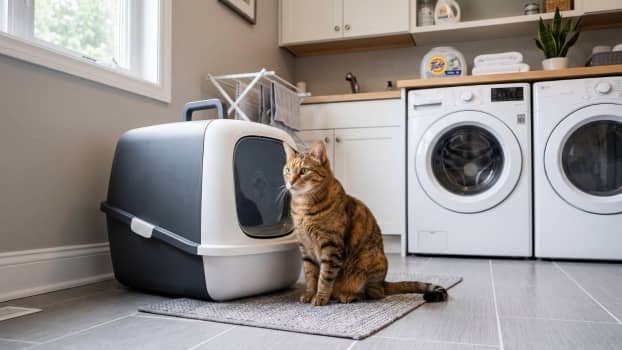
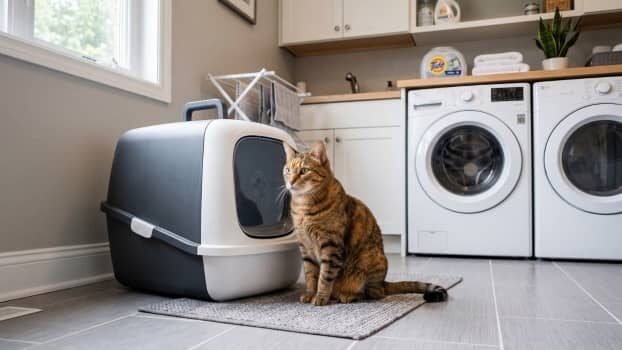
cat sitting beside a closed litter box in a laundry room

Disclaimer: This post may contain affiliate links. As an Amazon Associate, we earn from qualifying purchases.

A closed litter box looks like a simple upgrade. The lid hides the mess, reduces scattered litter, and makes the whole setup look cleaner.

But a covered litter box doesn’t automatically solve every litter box problem. Some cats love the privacy of an enclosed litter box, while others prefer the openness of a traditional pan.

The key is understanding how closed litter boxes work, when they help, and when they can create new problems.

What Is a Closed Litter Box?

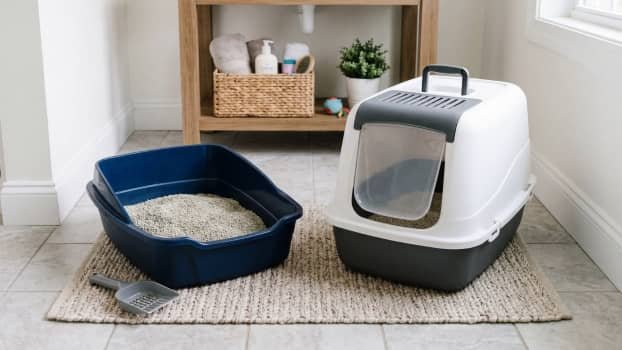
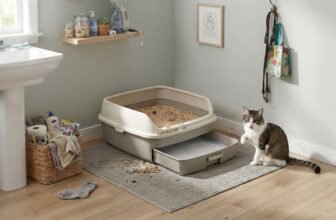
open litter box next to a closed hooded litter box

An open litter box compared with a closed litter box with a lid.

A closed litter box is a litter tray with a lid or hood that covers the litter area.

Instead of a completely open pan, the litter sits inside an enclosure with one or more entry points. This design helps contain litter scatter and gives cats a more private place to use the box.

You’ll often see these referred to as:

  • covered litter box

  • enclosed litter box

  • litter box with lid

  • cat litter box with cover

All of these describe the same basic idea: the litter area is partially enclosed instead of fully open.

Most closed litter boxes include a few simple parts:

  • a base tray that holds the litter

  • a removable hood or lid

  • an entry opening or flap door

  • ventilation holes or carbon filters in some models

Some designs also include features like sliding trays or hinged tops that make cleaning easier.

The goal of a closed litter box is simple: keep litter contained, hide the mess, and create a more private bathroom space for the cat.

Why People Choose a Closed Litter Box

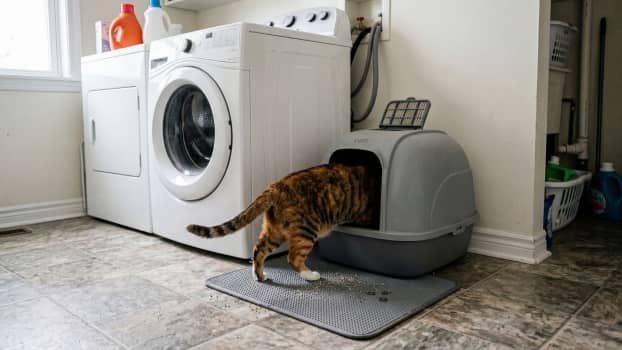
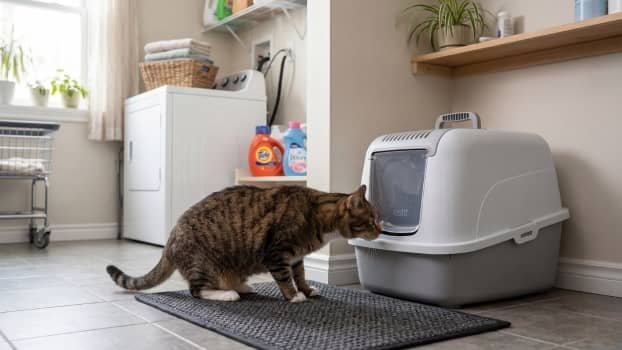
cat entering a closed litter box in a laundry room

A closed litter box gives cats a more private place to use the litter box.

A closed litter box is usually chosen to solve a few common litter box problems: scattered litter on the floor, visible mess, and lingering odors in the room.

The lid changes how the litter box interacts with the surrounding space. Instead of everything being exposed, the mess stays contained inside the enclosure.

Less Litter on the Floor

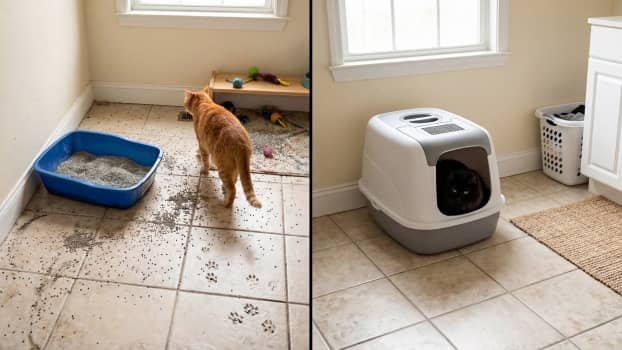
litter scattered around an open litter box on the floor

Open litter boxes often allow litter to scatter onto the surrounding floor.

Cats dig aggressively when covering their waste. With an open litter box, litter easily gets kicked over the edge and spreads across the floor.

A covered litter box keeps most of that movement inside the enclosure. The higher walls and single entry opening prevent litter from being flung outward while the cat is digging.

Top-entry designs reduce tracking even more because the cat climbs into the box instead of stepping over a low edge.

A Cleaner Look in the Room

An open litter pan is very noticeable.

A cat litter box with cover hides the litter and waste from view, which makes the litter area feel much cleaner. This can make a big difference in small apartments or homes where the litter box sits in a visible space.

Furniture-style enclosed litter boxes take this even further by disguising the litter box as a cabinet or table.

Privacy for the Cat

Cats often prefer some level of privacy when using the litter box.

An enclosed litter box blocks activity around them, which can make some cats feel more secure. This can help in homes where the litter box is placed in a busier area like a hallway or laundry room.

It can also help reduce stress in multi-pet homes where another animal tends to watch or approach the litter box.

Some Odor Containment

A litter box with lid traps odor inside the enclosure rather than letting it spread immediately through the room.

However, the lid does not eliminate odor on its own. Regular scooping and good litter still matter more than the box design.

Without consistent cleaning, odor can build up inside the enclosure and make the box unpleasant for the cat.

cat sitting beside a closed litter box in a laundry room

A closed litter box helps contain litter scatter and gives cats more privacy.

Potential Downsides of Closed Litter Boxes

A closed litter box can solve several problems, but it also introduces a few new ones. Understanding these limitations helps prevent litter box avoidance and other issues later.

The Space Can Feel Too Small

Many closed litter boxes are smaller inside than they appear from the outside.

The hood reduces the usable space, which can make it difficult for larger cats to turn around comfortably. If the interior feels cramped, a cat may avoid the box or stand awkwardly while using it.

In some cases, switching to a larger box design can help. Our guide to stainless steel litter boxes explains why many cat owners choose them for their larger interior space and easier cleaning.

A good rule is that the box should be at least 1.5 times the length of your cat’s body so they can move naturally while digging and covering waste.

Extra-large models are usually a better choice than compact ones.

Odor Can Build Up Inside the Enclosure

The lid traps odor inside the box, which can help prevent smells from spreading through the room.

However, that same enclosure can also allow ammonia from urine to concentrate inside the box if it isn’t cleaned frequently.

From the cat’s perspective, the litter box may smell far worse than the room does. Daily scooping and good ventilation are essential for closed designs.

It’s Harder to Monitor Your Cat’s Health

Litter boxes provide important clues about a cat’s health.

Changes in urine amount, stool consistency, or frequency can signal problems like urinary tract infections or digestive issues. With a covered litter box, waste is less visible unless the lid is removed regularly.

Scooping daily makes it easier to notice these changes.

Some Cats Prefer Open Boxes

Cats have individual preferences when it comes to litter boxes.

Some cats appreciate the privacy of an enclosed space, while others dislike the reduced visibility or confined interior. When a cat feels uncomfortable using a box, they may start eliminating outside it.

If you switch to a closed litter box and notice avoidance, it may simply not be the right style for that particular cat.

Closed vs Open Litter Boxes

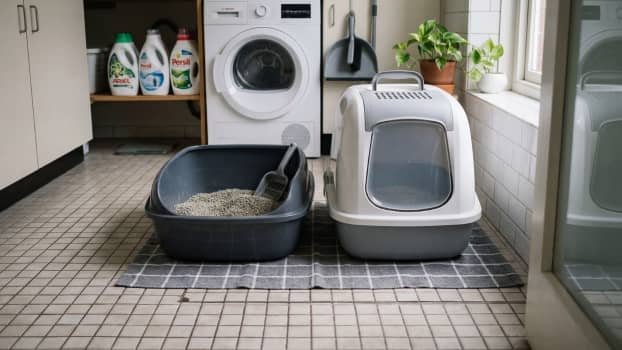
open litter box next to a closed hooded litter box

Open litter boxes provide more visibility, while closed litter boxes help contain litter and odor.

Both styles can work well. The better option depends on your cat’s comfort and the problems you’re trying to solve.

Feature Closed Litter Box Open Litter Box
Odor Helps contain odor inside the enclosure Odor spreads more quickly but airflow prevents buildup
Litter Tracking Walls and lid contain most scattered litter More litter escapes over the sides
Cat Comfort Offers privacy but less interior space More open space and visibility
Cleaning May require removing the lid to scoop Quick and easy access for cleaning

Both designs can work well when the box is large enough, placed in a good location, and cleaned regularly.

Types of Closed Litter Boxes

Closed litter boxes come in several different designs. Each type solves a slightly different problem, whether it’s litter tracking, hiding the box in a room, or reducing daily cleaning.

Understanding these styles makes it easier to choose the right closed cat litter box for your home.

Hooded Litter Boxes

Hooded litter boxes are the most common type of covered litter box.

They use a removable plastic hood that snaps onto the base of the litter tray. The front opening allows the cat to enter while the hood keeps litter contained inside the box.

This design works well for most cats because it feels familiar and easy to access.

Many hooded boxes also include:

  • carbon filters for odor

  • hinged lids for easier scooping

  • removable doors

These are usually the most affordable enclosed litter boxes, making them a popular starting point.

Example models to look at:

  • large hooded litter box with carbon filter

  • extra large covered litter box with flap door

  • high-sided hooded litter box for litter scatter


1. Petphabet Jumbo Hooded Cat Litter Box (Extra Large)

Petphabet Jumbo Hooded Cat Litter Box extra large covered litter box

View on Amazon

The Petphabet Jumbo Hooded Cat Litter Box is a good example of a traditional hooded design that focuses on space and litter containment. The box is noticeably larger than many standard covered litter boxes, which gives cats more room to turn around and dig comfortably.

One detail that stands out is the clear hood. The transparent lid allows light inside the box and gives cats visibility while still providing the privacy of an enclosed space. Some cats adjust more easily to this design compared to fully opaque covers.

The high sides and enclosed hood help keep litter inside the box during digging, which can reduce the amount of litter that ends up on the floor.

At roughly 25 inches long, it’s also large enough for bigger cats or multi-cat homes that need a little more interior space.


2. Catit Airsift Jumbo Hooded Litter Pan

Catit Airsift Jumbo Hooded Litter Pan covered litter box

View on Amazon

The Catit Airsift Jumbo Hooded Litter Pan is a popular covered litter box designed to provide privacy while helping contain litter and odor. The large interior makes it suitable for bigger cats or multi-cat households that need more space.

One useful feature is the lifting front door, which makes daily scooping easier without removing the entire hood. The box also includes a slot for a carbon filter, which helps reduce litter box odor inside the enclosure.

The raised back and overlapping design help prevent urine leaks, which can be a problem with smaller litter boxes. Overall, this model is a good example of a classic hooded litter box that balances privacy, size, and easy cleaning.


Top Entry Litter Boxes

A top-entry litter box has an opening in the lid instead of the front.

The cat jumps onto the top of the box and climbs down into the litter area. When they leave, litter on their paws falls back through the textured lid.

This design is extremely effective for reducing litter tracking.

Top-entry boxes work best for:

  • younger or agile cats

  • homes where litter scatter is a big problem

  • homes with dogs that try to access the litter box

They are usually not ideal for senior cats or cats with mobility issues.

Example models to look at:

  • large top entry litter box with textured lid

  • modern enclosed litter box with top entry

  • extra deep top entry litter box for high diggers


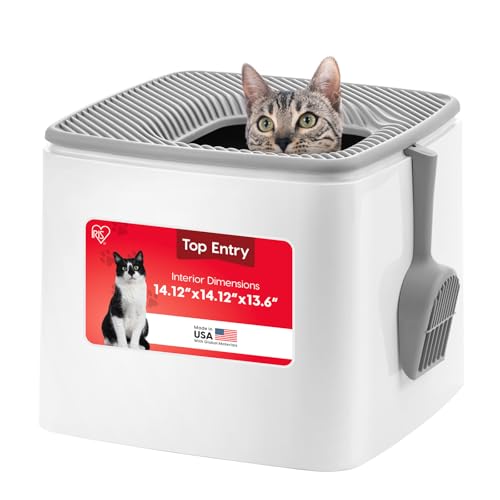
1. IRIS USA Large Top Entry Cat Litter Box

IRIS USA large top entry cat litter box with lid

View on Amazon

The IRIS USA Large Top Entry Cat Litter Box is one of the most popular top-entry litter box designs. Instead of entering from the front, cats jump through the opening in the lid, which helps keep litter contained inside the box.

The textured grooves on the lid catch litter from your cat’s paws as they step out, which can reduce litter tracking around the house. The tall walls also help contain digging and spraying, making this design a good option for cats that tend to kick litter over the sides of a traditional box.

Another practical detail is the removable lid, which makes it easy to scoop and clean the litter. The box also includes a scoop that hangs on the side so it’s always within reach.

With its simple design and large interior, this model works well for single cats or multi-cat homes where litter scatter is a problem.


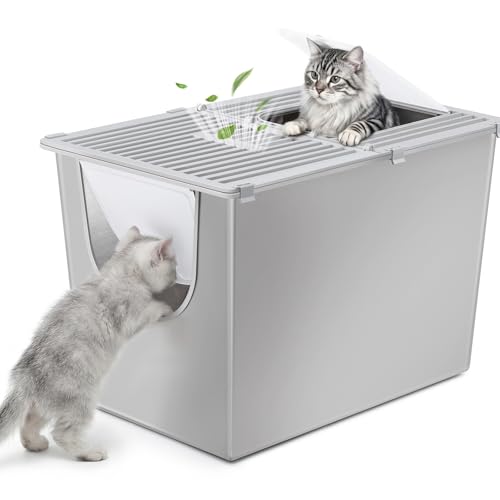
2. Petmate Top Entry Litter Box

Petmate top entry cat litter box with grated lid

View on Amazon

The Petmate Top Entry Litter Box uses a simple enclosed design that allows cats to enter from the top instead of the front. This layout helps keep litter inside the box and reduces mess on the surrounding floor.

The wide top opening gives cats enough room to comfortably enter and turn around, while the grated lid helps catch litter from their paws as they exit. This can noticeably reduce litter tracking compared to traditional open litter boxes.

The lid also includes a built-in odor filter, which helps control smells inside the enclosure. When it’s time to clean, the top lifts off easily so the litter can be scooped without difficulty.

Because the walls are tall and the entry is on top, this design also helps keep dogs from accessing the litter box. It’s a simple and practical option for households trying to control litter scatter and odor.


Furniture Style Enclosed Litter Boxes

Furniture-style boxes hide the litter box inside a cabinet or table.

The cat enters through a side opening, and the litter box sits inside the furniture enclosure. From the outside, it looks like a regular piece of furniture.

This design is popular in living rooms where a traditional litter box would be visible.

Furniture-style boxes can:

  • hide the litter box completely

  • reduce litter tracking

  • blend into home décor

They take up more space than standard litter boxes but dramatically improve how the litter area looks.

Example models to look at:

  • litter box enclosure end table

  • modern litter box cabinet

  • bench style litter box furniture


1. SETVSON Handwoven Rattan Hidden Litter Box Enclosure

SETVSON handwoven rattan hidden litter box enclosure furniture

View on Amazon

The SETVSON Handwoven Rattan Litter Box Enclosure hides a standard litter box inside a decorative piece of furniture. Instead of seeing a plastic litter box in the room, it looks more like a small wicker cabinet or cat house.

The handwoven rattan panels allow air to circulate while still keeping the litter box mostly out of sight. A front opening gives cats easy access, while the enclosed design helps keep litter contained inside the unit.

Inside the enclosure there’s a litter mat designed to catch stray litter before it reaches the floor. The top surface can also be used as a small table for plants, décor, or pet supplies, which makes it easier to blend the litter box into living spaces like a bedroom or living room.

This type of hidden litter box enclosure works well for people who want to keep the litter area more discreet while still giving cats a private place to use the litter box.


2. Homhedy Cat Litter Box Enclosure Furniture

Homhedy cat litter box enclosure furniture cabinet

View on Amazon

The Homhedy Cat Litter Box Enclosure hides a litter box inside a cabinet-style piece of furniture, helping it blend naturally into a living space instead of standing out.

The enclosed cabinet design keeps the litter box out of sight while still allowing cats to enter through a side opening. This layout can help reduce litter tracking around the surrounding area and gives cats a more private place to use the litter box.

Inside the cabinet there is enough space to fit most standard litter boxes. The front doors open for easy access when it’s time to scoop or replace litter.

Because the top surface functions like a small table, the enclosure can also be used for plants, décor, or everyday items. This makes it easier to place the litter box in rooms like a living room or bedroom without it feeling out of place.


Self-Cleaning Closed Litter Boxes

Some automatic litter boxes also use a closed design.

Sensors detect when the cat leaves the box, and the machine automatically moves waste into a sealed compartment.

These systems reduce daily scooping and help keep the litter box consistently clean.

However, they usually require:

  • specific litter types

  • regular maintenance

  • higher upfront cost

They can work well in homes with multiple cats or for owners who want less daily maintenance.


1. Ellenpent Automatic Self-Cleaning Litter Box

Ellenpent automatic self cleaning enclosed cat litter box

View on Amazon

The Ellenpent Automatic Self-Cleaning Litter Box is a fully enclosed litter box that automatically separates waste from clean litter after each use.

Sensors detect when a cat leaves the litter box, then the internal drum slowly rotates to sift the litter. Waste is moved into a sealed compartment below, which reduces odor and removes the need for daily scooping.

This model also includes app control, allowing you to monitor usage and trigger cleaning cycles from your phone. Safety sensors pause the machine if a cat approaches or enters during a cleaning cycle.

With a large internal chamber and a 9-liter waste bin, it can handle multiple cats before needing to be emptied. The enclosed design also helps keep litter contained and reduces odor spreading into the room.


2. EYESUN Automatic Self-Cleaning Litter Box

EYESUN automatic self cleaning enclosed cat litter box

View on Amazon

The EYESUN Automatic Self-Cleaning Litter Box is another enclosed option designed for cat owners who want to reduce daily litter box maintenance.

After your cat uses the litter box, the system automatically rotates and separates waste from clean litter. The waste is then moved into a sealed container underneath, helping reduce odor and keeping the litter area cleaner between emptying.

This model includes multiple safety sensors that detect when a cat enters or approaches the box. If the unit is cleaning and your cat comes near, the cycle immediately pauses to prevent accidents.

The litter box also connects to a mobile app, allowing you to monitor usage, receive notifications, and trigger cleaning cycles remotely. With a large internal drum and a 13-liter waste bin, it can handle multiple cats and several days of use before needing attention.

Because it’s fully enclosed, it also helps contain litter scatter and gives cats a more private space to do their business.


How to Choose the Right Closed Litter Box

Not all closed litter boxes work well for every cat. The right choice depends on your cat’s size, mobility, and litter box habits.

A few design details make a big difference in how comfortable the box is for your cat and how easy it is to maintain.

Size Is the Most Important Factor

A litter box that is too small is one of the most common reasons cats avoid using it.

Closed litter boxes often look larger on the outside than they feel inside because the hood reduces the usable space.

Your cat should be able to:

  • turn around easily

  • dig comfortably

  • fully cover waste

A good rule is that the litter box should be about 1.5 times the length of your cat’s body so they can move naturally inside the enclosure.

When choosing between sizes, larger is almost always the better option.

Choose an Entry Style Your Cat Can Use Easily

Closed litter boxes come with several different entry styles.

Front entry
The traditional design. Most cats adapt to this quickly.

Flap door
Provides more privacy but some cats dislike pushing through the door.

Top entry
Excellent for controlling litter tracking, but may be difficult for senior cats or kittens.

If your cat already uses an open litter box, a front-entry enclosed litter box is usually the easiest transition.

Look for Good Ventilation

A closed litter box should still allow air to circulate.

Ventilation holes or carbon filters help reduce odor buildup inside the enclosure. Without airflow, ammonia from urine can accumulate and make the box unpleasant for the cat.

Even with filters, regular scooping is still essential.

Make Sure Cleaning Is Easy

If a litter box is difficult to clean, it often doesn’t stay clean for long.

Look for features that simplify maintenance, such as:

  • removable lids

  • hinged tops

  • sliding litter trays

Easy access makes daily scooping much faster and helps maintain a cleaner litter environment.

How to Transition a Cat to a Closed Litter Box

cat sniffing and investigating a closed litter box

Cats may take time to investigate and adjust to a new closed litter box.

Cats usually prefer familiar routines. Switching litter box styles too quickly can lead to avoidance.

A gradual transition works much better.

Start by placing the new closed litter box next to the existing one so your cat becomes familiar with it.

Then transition in stages:

  1. Place the new box near the old one

  2. Remove the lid for the first few days

  3. Add the lid but leave the door open

  4. Close the door once the cat is using the box comfortably

Keeping the same litter type and location during the transition helps prevent confusion.

If your cat resists the change, slow the process down rather than forcing it.

Practical Setup Tips

Even the best covered litter box won’t work well if the setup is poor.

A few small details can make a big difference.

Place the box in a quiet area
Cats prefer litter boxes away from busy walkways and noisy appliances.

Scoop daily
Closed litter boxes trap odor inside the enclosure, so daily scooping keeps the interior environment comfortable.

Maintain proper litter depth
About 2–3 inches of litter allows cats to dig and cover waste properly.

Use the right number of litter boxes
In multi-cat homes, the general guideline is one box per cat plus one extra.

If you’re setting up litter boxes for more than one cat, our guide to multi-cat litter box setups explains how to arrange them.

FAQ

Are closed litter boxes better for odor?

A closed litter box can contain odor inside the enclosure, but odor control still depends mostly on litter quality and cleaning frequency.

Daily scooping and regular litter replacement are the most effective ways to control odor.

Do cats like closed litter boxes?

Some cats enjoy the privacy of an enclosed space, while others prefer the openness of a traditional litter box. Preference varies between individual cats.

Are enclosed litter boxes bad for cats?

They are not harmful as long as the box is large enough, well ventilated, and cleaned regularly.

Can kittens use a covered litter box?

Kittens often learn faster with open litter boxes because the entrance is easier to see and access. A lid can be added later once the kitten is consistently using the box.

How often should you clean a closed litter box?

Solid waste and clumps should be scooped at least once per day. The entire litter box should be emptied and washed every few weeks depending on usage.

Final Thoughts

A closed litter box can help reduce litter scatter and make the litter area look cleaner in your home.

However, the most important factors are still size, cleaning routine, and your cat’s comfort. Some cats appreciate the privacy of an enclosed space, while others prefer the openness of a traditional litter box.

If you’re unsure which style your cat will prefer, offering both options for a short time can help you see which one your cat naturally chooses.

The best litter box is simply the one your cat consistently uses without hesitation.

Perfect Litter Box
Logo