Stainless Steel Litter Box vs Plastic: Which Is Better for Cats?

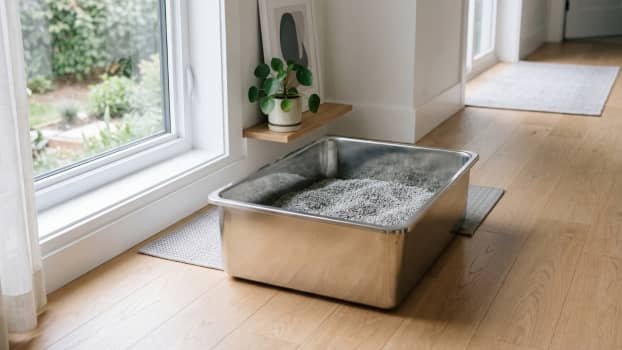
stainless steel litter box vs plastic comparison

Disclaimer: This post may contain affiliate links. As an Amazon Associate, we earn from qualifying purchases.

Stainless steel litter box vs plastic usually becomes a real question after dealing with lingering litter box odors or a plastic box that never seems completely clean.

Plastic litter boxes are everywhere. They’re inexpensive, easy to find, and come in just about every shape and size. At first they work fine. But over time, the downsides start to show. Digging claws and regular scooping leave small scratches in the plastic, and those grooves can trap bacteria and odor that washing doesn’t always remove.

That’s where the idea of switching materials comes in. A stainless steel litter box is often recommended as a more durable and hygienic alternative. Stainless steel has a smooth, non-porous surface, so it doesn’t absorb odor the way plastic can, and it’s far more resistant to scratching.

Both materials still have their place. Plastic litter boxes are affordable and widely available, while stainless steel litter boxes are built for durability and easier long-term cleaning.

In this guide, we’ll look closely at stainless steel litter box vs plastic options and how they compare in everyday use. We’ll cover odor control, cleaning, durability, cost, and practicality to help you decide which type of litter box makes the most sense for your home.

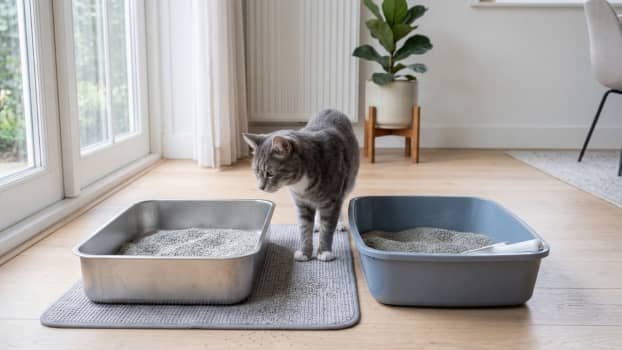
stainless steel and plastic litter box comparison

Comparing stainless steel and plastic litter boxes

Feature Stainless Steel Litter Box Plastic Litter Box
Odor Resistance Non-porous surface that resists odor absorption Plastic can absorb odors over time
Durability Highly durable and scratch-resistant Scratches easily from digging and scooping
Cleaning Smooth surface rinses clean quickly Scratches can trap residue and bacteria
Lifespan Often lasts many years Usually replaced every 1–2 years
Price Higher upfront cost Budget-friendly
Design Options Fewer design styles available Many shapes, covered, and corner designs

Stainless Steel Litter Box vs Plastic: Key Differences

At first glance, stainless steel litter box vs plastic might not seem like a big difference. Both hold litter and serve the same purpose. The real differences start to show after months of daily use.

The biggest distinction is the material itself. Plastic litter boxes are lightweight and inexpensive, but the surface gradually wears down. Digging and regular scooping create small scratches that are almost impossible to avoid.

Those scratches may look minor, but they can trap bacteria, moisture, and odor. Over time, that buildup can make a plastic litter box smell even after it’s been cleaned.

A stainless steel litter box has a much harder, smoother surface. Scratches are far less common, and the non-porous material doesn’t absorb moisture or odor.

Odor buildup is where the difference often becomes most noticeable. Plastic can slowly hold onto smells after months or years of use. Stainless steel doesn’t absorb liquids, so waste and residue rinse away more easily.

When a litter box is brand new, the difference may not seem dramatic. After steady daily use, however, the gap between a stainless steel vs plastic litter box becomes much easier to notice.

Odor Control: Stainless Steel vs Plastic Litter Box

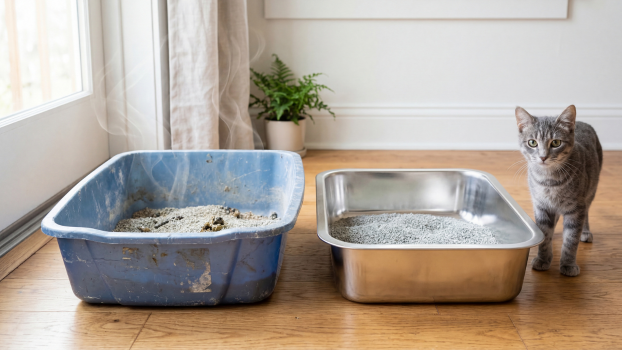
plastic vs stainless steel litter box odor comparison

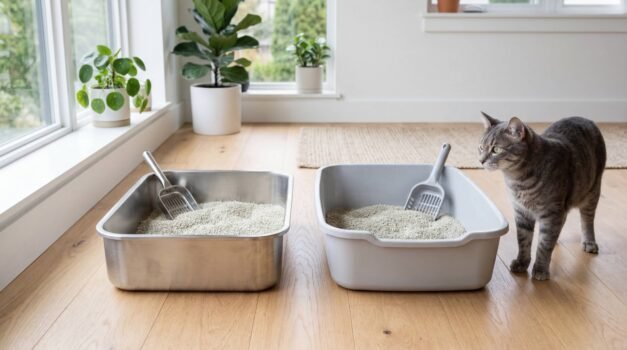
Plastic litter boxes can develop scratches that trap odor, while stainless steel surfaces remain smooth and easier to clean.

Plastic litter boxes can develop scratches that trap odor, while stainless steel surfaces stay smooth and easier to clean.

Odor control is usually the reason the stainless steel litter box vs plastic comparison comes up in the first place. Even with regular scooping and fresh litter, some boxes begin to smell over time.

Why Plastic Litter Boxes Can Hold Odor

Plastic litter boxes are slightly porous. At first this isn’t noticeable, but with regular use the surface can begin holding small amounts of moisture and odor.

Scratches make the problem worse. Digging and covering waste creates tiny grooves in the plastic where urine residue and bacteria can collect. Once those odors settle into the surface, they can be difficult to remove completely with normal washing.

That’s why older plastic litter boxes sometimes continue to smell even after they’ve been cleaned.

How Stainless Steel Handles Odor

A stainless steel litter box has a smooth, non-porous surface that doesn’t absorb liquids. Waste and residue stay on the surface instead of soaking into the material.

When the litter is changed and the box is rinsed or wiped down, the surface cleans up quickly. For many people, this difference in odor buildup becomes one of the most noticeable advantages when comparing a plastic vs stainless steel litter box.

Cleaning and Maintenance

Cleaning is another place where the difference between a metal vs plastic litter box becomes noticeable.

Both types still require daily scooping and occasional washing. The difference is how easily residue comes off the surface.

Cleaning Plastic Litter Boxes

A new plastic litter box usually cleans up without much trouble. Over time, however, scratches from digging and scooping can make the surface harder to wash.

Residue and litter dust may start sticking to those small grooves, which can lead to:

  • litter clinging to the sides

  • stains that develop gradually

  • odors that linger even after scrubbing

Once the surface becomes worn, plastic doesn’t always return to that “like new” condition.

Cleaning Stainless Steel Litter Boxes

A stainless steel litter box has a smooth, non-porous surface that doesn’t trap residue the same way plastic can.

Waste and litter dust usually rinse off quickly with warm water and mild soap. Because the surface resists scratching, the box tends to stay easier to clean even after long-term use.

For routine litter box maintenance, that often means less scrubbing and faster cleanup.

Durability and Lifespan

Another important part of the stainless steel litter box vs plastic comparison is how long each type lasts. A litter box gets used multiple times a day, and that constant digging and scooping eventually wears down the material.

How Plastic Litter Boxes Wear Down

Plastic litter boxes are lightweight and affordable, which is why they’re so common. Over time, though, regular use can leave visible wear on the surface.

Digging and scratching gradually create marks in the plastic, and the box may start to show:

  • visible scratches and wear

  • stains that are harder to remove

  • surfaces that no longer look or feel smooth

After extended use, some plastic litter boxes simply start to feel worn out, which is why they’re often replaced periodically.

Stainless Steel Durability

A stainless steel litter box is built from a much harder material, so it holds up differently over time. The surface resists scratching and doesn’t stain easily.

Because the metal stays smooth and non-porous, many stainless steel litter boxes continue to look and function well for years with normal use.

The upfront cost is usually higher than plastic, but the longer lifespan can make stainless steel a practical long-term option.

If you’re still deciding whether metal litter boxes are worth the switch, you may also want to read our guide on stainless steel litter boxes pros and cons, which looks more closely at the advantages and possible drawbacks.

Are Stainless Steel Litter Boxes Better?

When comparing stainless steel litter box vs plastic, the better option depends on what matters most.

If odor control and long-term durability are the priority, stainless steel litter boxes usually come out ahead. The smooth, non-porous surface resists scratching and doesn’t absorb odor the way plastic can.

Plastic litter boxes still have a few advantages. They cost less and come in far more styles, including covered boxes, corner designs, and top-entry models.

In the end, the choice usually comes down to budget, durability, and the type of litter box design you prefer.

Which Type of Litter Box Is Best for Different Situations?

When comparing a plastic vs stainless steel litter box, the better option usually comes down to the problem you’re trying to solve.

Best for Odor Control

If litter box odor is a constant issue, stainless steel usually performs better. The smooth, non-porous surface doesn’t absorb liquids or bacteria, so smells are less likely to linger in the box itself.

Best for a Budget-Friendly Setup

Plastic litter boxes are typically much cheaper. If you need several litter boxes or plan to replace them occasionally, plastic is often the more affordable choice.

Best for Long-Term Durability

If the goal is a litter box that lasts for years, stainless steel litter boxes tend to hold up better. The harder surface resists scratches and stains, which helps the box maintain a cleaner interior over time.

Best for Unique Designs

If you need a specific design—like a covered litter box, corner box, or top-entry style—plastic litter boxes offer far more options. Stainless steel models are becoming more common, but the selection is still limited.

Top Stainless Steel Litter Boxes to Consider

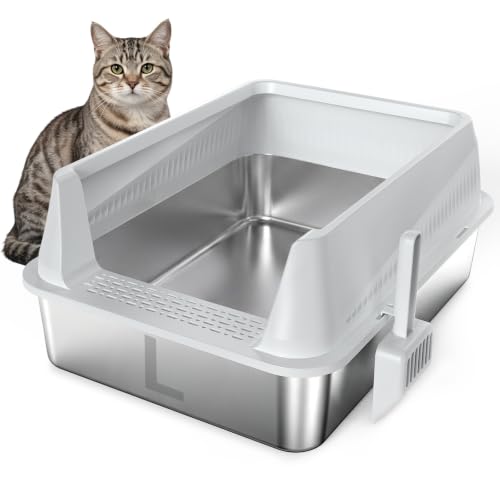
high sided stainless steel litter box for cats

High-sided stainless steel litter boxes help contain litter scatter while providing a durable and easy-to-clean surface.

Product Best For Key Features Check Price
AIPERRO Stainless Steel Litter Box
⭐ Best Overall
Most homes and multi-cat households • Spacious design for large cats
• Strong odor resistance
• Durable stainless steel build
• Easy to clean surface

Check price →
WoofiGo Enclosed Stainless Steel Litter Box
⭐ Best for Messy Cats
Reducing litter scatter • High sided enclosure
• Helps contain litter mess
• Spacious interior
• Good odor control

Check price →
Tevila Extra Large Stainless Steel Litter Box
⭐ Best for Tracking Control
Homes dealing with litter tracking • Front entry / top exit design
• Helps remove litter from paws
• Dog-proof access design
• Extra large interior

Check price →

If you’d like a closer look at each option, here’s a quick breakdown of these recommended stainless steel litter boxes and what makes each one stand out.

If you’re leaning toward stainless steel after comparing a stainless steel litter box vs plastic, here are a few popular options for durability and odor control.


1. AIPERRO Stainless Steel Litter Box with Lid

AIPERRO stainless steel litter box with lid for large cats

Check Price on Amazon

The AIPERRO Stainless Steel Litter Box is one of the best-selling stainless steel litter boxes on Amazon and is designed for durability, odor control, and larger cats. This enclosed design helps reduce litter scatter while giving cats a more private space. The stainless steel construction resists odor buildup and makes the box easier to clean compared to traditional plastic litter boxes. Why many cat owners like it

  • High-sided enclosed design helps reduce litter scatter
  • Stainless steel surface resists odor absorption
  • Extra-large size works well for big cats and multi-cat homes
  • Includes litter mat and metal scoop

2. WoofiGo Enclosed Stainless Steel Litter Box

WoofiGo enclosed stainless steel litter box with lid for large cats

Check Price on Amazon

The WoofiGo enclosed stainless steel litter box is another highly rated option designed for larger cats and multi-cat homes. The stainless steel pan helps prevent odor absorption, while the high-sided enclosure reduces litter scatter and helps contain urine spray. With its spacious interior and durable construction, this litter box offers a practical upgrade for cat owners who want something longer lasting than traditional plastic litter boxes.


3. Tevila Extra Large Stainless Steel Litter Box with Lid

Tevila extra large stainless steel litter box with lid for big cats

Check Price on Amazon

The Tevila extra large stainless steel litter box is designed for cat owners who want better odor control and less litter tracking. Its stainless steel litter pan resists stains and odors, making it easier to keep clean compared to traditional plastic litter boxes. One unique feature of this model is its front entry and top exit design.

Cats enter through the front door and exit through the top, which helps remove litter from their paws and reduces tracking around the house. The enclosed design also helps contain messes and provides extra privacy for cats. With its large interior space and sturdy construction, this litter box works well for bigger cats and multi-cat households that need a durable, long-lasting litter box solution.


When a Plastic Litter Box Might Still Be the Better Choice

Even with the advantages of stainless steel, plastic litter boxes can still make sense in certain situations.

  • Budget setups: Plastic litter boxes are much cheaper and easy to replace when needed.

  • Special designs: Top-entry, corner, covered, and self-cleaning litter boxes are most commonly made from plastic.

  • Lightweight boxes: Plastic is easier to move when cleaning or repositioning the litter area.

  • Lower entry options: Some plastic litter boxes are designed with lower sides, which can help kittens or older cats step in more easily.

A plastic litter box can still work well when it’s cleaned regularly and replaced once the surface begins to wear out.

If you have a large cat or multiple cats, choosing the right size litter box matters just as much as the material. You may also want to see our guide to the best extra large litter boxes for bigger cats.

Frequently Asked Questions

Do stainless steel litter boxes smell less than plastic ones?

Often, yes. A stainless steel litter box has a smooth, non-porous surface that doesn’t absorb moisture the way plastic can. Because of that, odors are less likely to linger in the box itself and are easier to remove during cleaning.

Why do plastic litter boxes start to smell?

Plastic litter boxes can develop small scratches from digging and regular scooping. Those tiny grooves can trap residue and odor over time. Plastic may also hold onto small amounts of moisture, which can make smells harder to remove even after washing.

Do stainless steel litter boxes last longer?

In most cases, yes. Stainless steel is more resistant to scratching and staining than plastic. Because the surface stays smooth, a stainless steel litter box can often last for years without needing to be replaced.

Are stainless steel litter boxes safe for cats?

Yes. Stainless steel is widely used in kitchens and veterinary environments because it’s durable and hygienic. As long as the edges are smooth and the box is large enough for your cat, it’s perfectly safe.

Is a metal vs plastic litter box better for multiple cats?

With multiple cats, litter boxes tend to get heavier daily use. In many cases, a metal vs plastic litter box comparison favors stainless steel because the material handles wear, moisture, and odor buildup more effectively.

Final Thoughts

When comparing stainless steel litter box vs plastic, the real difference shows up over time.

Plastic litter boxes are affordable, widely available, and come in many designs. They work well, especially when they’re cleaned regularly and replaced once the surface begins to wear.

A stainless steel litter box, however, tends to hold up better with long-term use. The smooth metal surface resists scratching, doesn’t absorb odor, and usually stays easier to clean even after months or years of daily use.

Neither option is automatically “better” for every situation. The right choice depends on your budget, the style of litter box you need, and how much wear the box gets each day.

But if you’re constantly dealing with lingering odors or replacing worn plastic boxes, switching to stainless steel can be a simple upgrade worth trying.

Perfect Litter Box
Logo