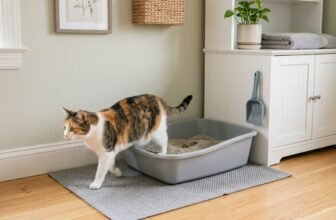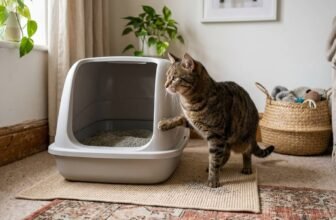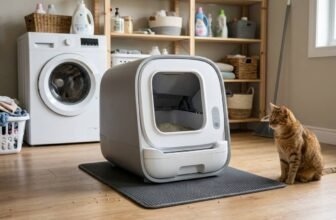
Why Is My Cat Peeing Outside the Litter Box? A Step-by-Step Fix Guide

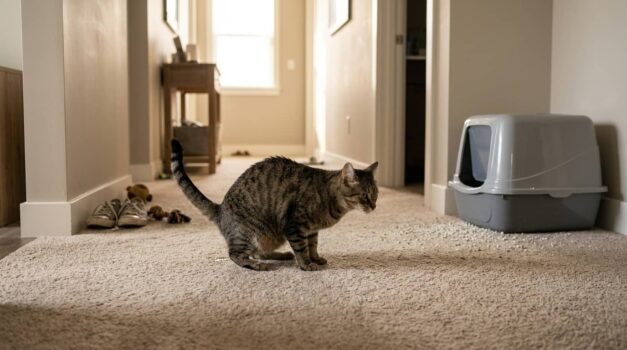
why is my cat peeing outside the litter box on carpet near litter box

Disclaimer: This post may contain affiliate links. As an Amazon Associate, we earn from qualifying purchases.

Finding cat pee outside the litter box is frustrating. The smell sticks around, the mess keeps coming back, and it can feel like nothing is working.

It might even seem like your cat is doing it on purpose, but that is not what is happening.

Cats usually pee outside the litter box for a reason. It can be a health problem, an issue with the litter box, stress, or something in the environment that is bothering them.

The good news is that this is fixable once you understand what is causing it.

In this guide, you will learn how to figure out the cause step by step and what to do to stop it.

Why Is My Cat Peeing Outside the Litter Box? (Quick Answer)

Cats pee outside the litter box because of medical issues, litter box problems, stress, or territory-related behavior.

In many cases, the location of the accident gives you a clue. Peeing on the bed, next to the box, or in different spots around the house usually points to different underlying problems.

The fastest way to fix it is to:

  1. Rule out any health issues
  2. Check the litter box setup
  3. Look for stress or changes in the home

Once you identify the cause, the behavior usually improves quickly.

What the Location Tells You

Where your cat is peeing is one of the fastest ways to figure out what is going on. The location is not random. It usually points directly to the problem.

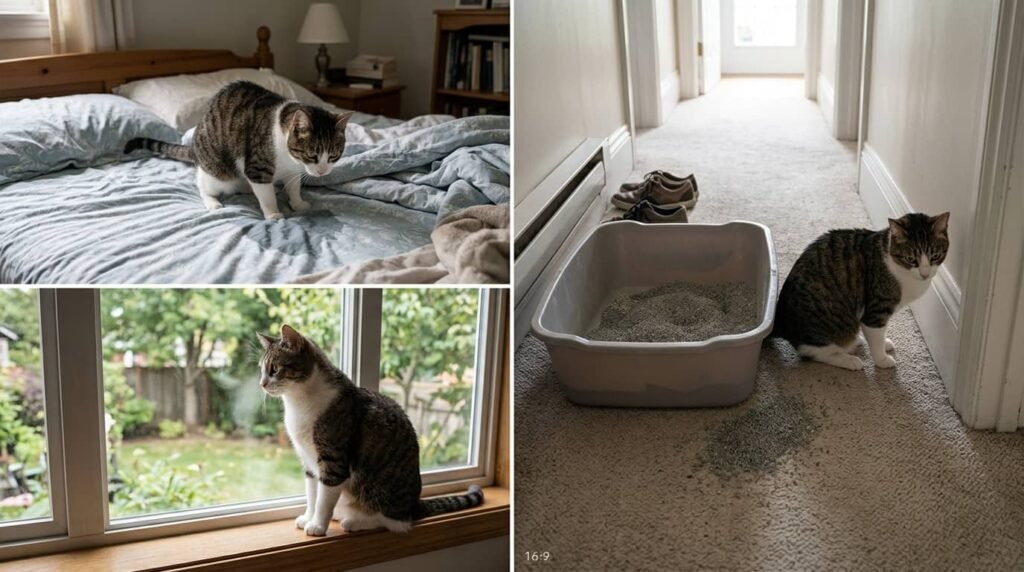
different places cat peeing outside litter box bed floor near window

Where your cat pees can help you figure out what the problem is.

Peeing on the Bed, Couch, or Clothes

This usually means your cat is dealing with stress, discomfort, or a strong need for security.

Soft surfaces feel safer and more comfortable, especially if using the litter box has become unpleasant. This can happen with urinary pain or after a stressful change like a new pet or a schedule shift.

It can also be scent-related. Your bed smells like you, which can make your cat feel more secure.

Peeing Right Next to the Litter Box

This is one of the clearest signs that something is wrong with the litter box itself.

Your cat is trying to use it but does not fully commit. Common reasons include:

  • the box is too small
  • it is not clean enough
  • the sides are too high
  • the box is covered and feels trapped

Older cats may also struggle to step inside comfortably.

Peeing in Multiple Spots Around the House

When accidents happen in different places, it usually points to urgency, stress, or a bigger setup issue.

This can happen with medical problems where your cat cannot hold it long enough. It can also happen in multi-cat homes where the litter box does not feel safe or accessible.

If it feels random, it usually is not. There is often a pattern once you start paying attention.

Peeing Near Doors, Windows, or Walls

This often points to territory or outside stress.

Cats can see or smell other animals outside, especially other cats. When that happens, they may pee near entry points to mark their space and feel more secure.

This is more common in homes with visible outdoor activity.

Spraying vs Regular Peeing

It helps to know the difference because the cause is different.

  • Spraying: your cat stands up, backs up to a wall, and releases a small amount
  • Peeing: your cat squats and empties their bladder on a flat surface

Spraying is usually about territory or stress. Peeing is more often linked to litter box problems or medical issues.

Step 1: Rule Out Medical Issues First

If your cat suddenly starts peeing outside the litter box, health should be the first thing you check.

Urinary problems can make peeing painful. When that happens, your cat may start avoiding the litter box because they associate it with discomfort.

Watch for signs like:

  • going in and out of the litter box frequently
  • straining or taking a long time to pee
  • small amounts of urine
  • meowing or acting uncomfortable while trying to pee
  • licking the genital area more than usual

If you notice any of these, it is important to contact a vet as soon as possible.

Male cats need extra attention here. If a male cat is trying to pee but nothing is coming out, that can be a blockage, which is an emergency.

Even if the signs are mild, a vet visit is still worth it. Issues like urinary infections, bladder inflammation, or crystals are common and can show up as litter box problems before anything else.

If your cat gets a clean bill of health, then you can move on to fixing the litter box setup and environment with more confidence.

Step 2: Fix the Litter Box Setup

Small setup problems are one of the most common reasons cats stop using the box. The good news is that fixing this often makes a big difference quickly. If you want a full breakdown, you can read our guide on litter box setup and placement.

Make Sure the Box Is Big Enough

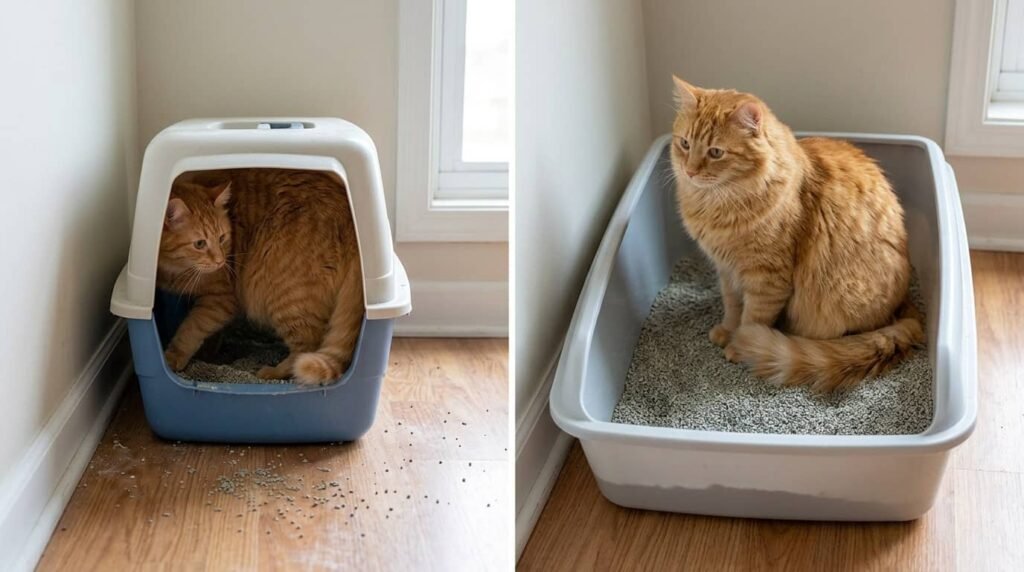
covered vs open litter box showing why cats avoid enclosed boxes

Some cats avoid covered litter boxes because they feel cramped or trapped.

A litter box should be large enough for your cat to turn around comfortably.

If it feels cramped, your cat may choose to go right outside instead. This is especially common with larger cats.

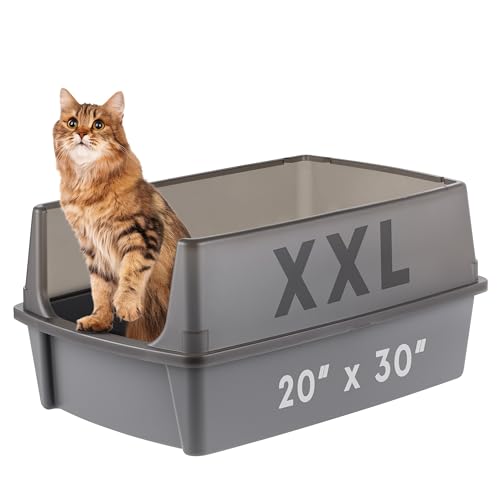
Switching to a bigger, open litter box often helps right away. Extra-large boxes give your cat more space and feel less restrictive.

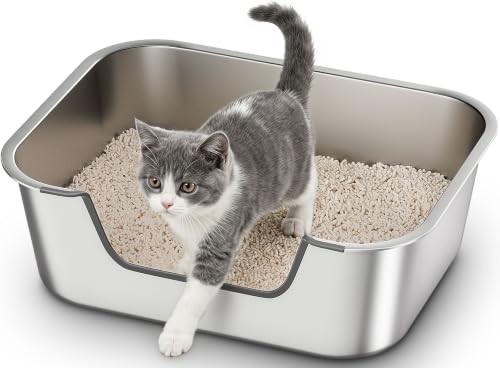
One example is an extra-large stainless steel litter box like this, which gives enough room for turning and digging comfortably. The smooth surface also makes it easier to clean and helps reduce lingering odors.

extra large stainless steel litter box for big cats

View on Amazon

Use the Right Type of Box

Covered boxes can trap odor and make the space feel closed in. Some cats will avoid them completely.

Open boxes are usually a safer choice because they feel easier to enter and exit.

For older cats, low-sided boxes are important. If getting into the box is uncomfortable, they may stop using it consistently.

A low-entry litter box like this can make a big difference. It allows easy access while still keeping litter contained, which helps prevent accidents right next to the box.

low entry litter box for senior cats easy access

View on Amazon

Check the Litter

Litter type matters more than it seems.

Most cats prefer:

  • unscented litter
  • fine, sand-like texture
  • clumping formula

Strong scents or rough textures can push your cat away from the box.

If you change litter, do it gradually so your cat has time to adjust.

Clean the Box More Often

A dirty litter box is a very common trigger.

Scoop at least once a day. If you have multiple cats, you may need to scoop more often.

A full clean with warm water and mild soap should be done regularly. Avoid strong chemical smells that can linger.

Follow the “One Per Cat Plus One” Rule

If you have more than one cat, you need more than one litter box.

The general rule is:

one box per cat
plus one extra

This helps prevent competition and gives each cat a safe option. In multi-cat homes, litter box setup becomes even more important, especially if you have three or more cats.

Place the Box in the Right Location

Location is just as important as the box itself.

Avoid:

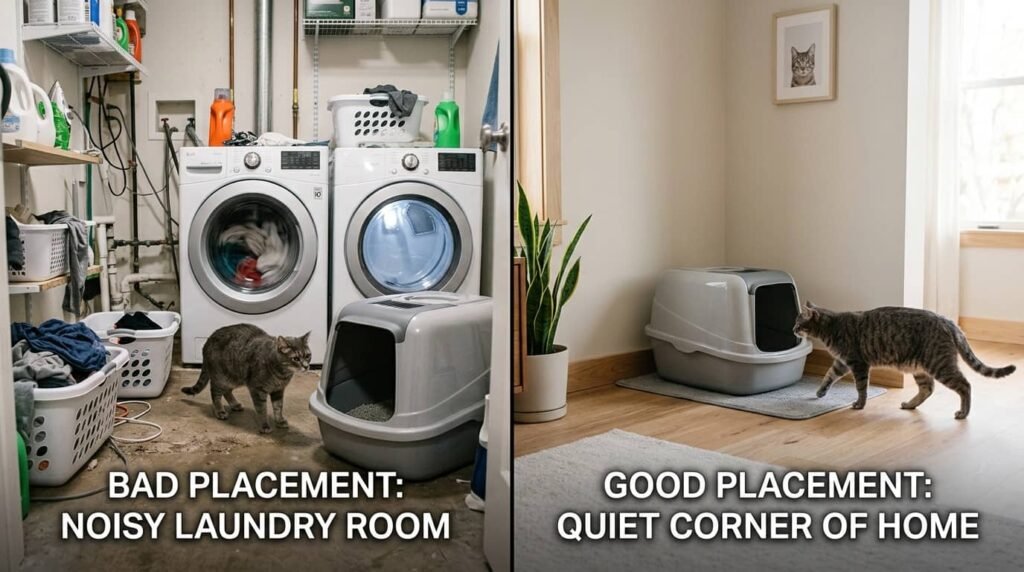
  • noisy areas like laundry rooms
  • tight corners with no escape route
  • high-traffic areas
bad vs good litter box placement noisy laundry room vs quiet corner

Litter box placement can make a big difference. Cats prefer quiet, low-traffic areas.

Choose a quiet, easy-to-reach spot where your cat feels safe.

If your home has multiple floors, it helps to have a box on each level.

If your setup is off in even one of these areas, your cat may start avoiding the box.

Once this is dialed in, many cats go back to using it consistently.

Step 3: Reduce Stress and Environmental Triggers

If the litter box setup looks good and your cat is healthy, the next thing to look at is stress.

Cats are sensitive to changes in their environment. Even small changes can lead to litter box problems.

Look for Recent Changes

Start by thinking about what has changed recently.

Common triggers include:

  • a new pet in the home
  • a new person or guest
  • moving furniture
  • changes in your schedule
  • construction or loud noises

Even something small like a new routine can throw things off.

If the behavior started around the same time as a change, that is usually not a coincidence.

Watch for Tension in Multi-Cat Homes

If you have more than one cat, stress can come from other cats in the house.

One cat may block access to the litter box or make the area feel unsafe. This can lead to accidents in other parts of the home.

Signs to watch for:

  • one cat following another to the litter box
  • hiding or avoiding certain areas
  • sudden changes in behavior between cats

In this case, adding more litter boxes in different locations often helps.

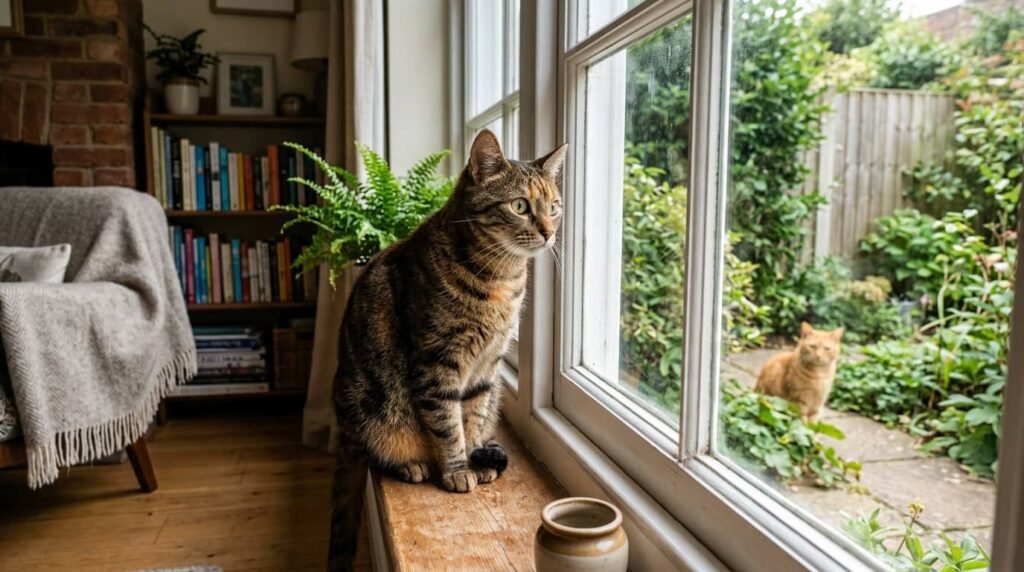
Outdoor Cats Can Trigger This

indoor cat watching another cat outside window causing stress

Seeing other cats outside can trigger stress and territorial behavior indoors.

This is a big one that gets missed.

If your cat can see or smell other cats outside, it can trigger territorial behavior. This often leads to peeing near doors, windows, or walls.

You can reduce this by:

  • blocking the view of outdoor cats
  • closing blinds or curtains
  • moving the litter box away from windows

Keep a Consistent Routine

Cats feel more secure when their routine stays the same.

Try to keep:

  • feeding times consistent
  • litter box cleaning on a regular schedule
  • daily interaction and playtime

Even a small amount of daily play can help reduce stress.

Once stress is reduced, many cats stop peeing outside the litter box without needing anything else.

Step 4: Clean the Right Way (So It Doesn’t Keep Happening)

If your cat has already peed outside the litter box, cleaning it properly is critical.

If any smell is left behind, your cat may keep going back to the same spot.

Why Regular Cleaners Don’t Work

Most household cleaners do not fully remove urine.

Some even make it worse. Products with ammonia can smell similar to urine, which can attract your cat back to the same area.

Use an Enzymatic Cleaner

Hepper bio enzyme pet stain and odor remover spray for cat urine cleanup

An enzymatic cleaner breaks down the odor completely instead of just covering it up.

This is what actually stops repeat accidents.

When cleaning:

    1. Blot the area first. Do not rub it
    2. Soak the area with the cleaner
    3. Let it sit long enough to fully absorb
  1. Allow it to air dry

For carpets and fabric, the cleaner needs to reach below the surface where the urine has soaked in.

View on Amazon

Don’t Rush This Step

If the smell is still there, your cat can still smell it, even if you cannot.

That is why some spots keep getting used again and again.

Taking the time to clean properly can break that cycle.

If Nothing Has Worked Yet

If you have already tried everything above and the problem is still happening, there are a few additional things to try.

Try a Litter Attractant

Some litters are designed to attract cats back to the box.

These can help if your cat has developed a habit of going elsewhere.

Block Access to Problem Areas

If your cat keeps returning to the same spot, block access temporarily.

You can:

  • close doors
  • place objects over the area
  • move food or bedding there

Cats usually avoid going where they eat or rest.

Add a Temporary Litter Box

If your cat keeps using one specific area, place a litter box there temporarily.

Once your cat starts using it, you can slowly move it back to the desired location.

Look for Hidden Causes

At this point, it helps to look deeper.

  • Is another cat guarding the box?
  • Is something scaring your cat near the box?
  • Is the box location too exposed?

Sometimes the issue is not obvious until you really observe what is happening.

When to Get Extra Help

If the problem continues, it may be worth:

  • going back to the vet for further testing
  • speaking with a cat behavior specialist

Some cases take a bit more trial and error to fully resolve.

Practical Tips to Prevent It From Coming Back

Once things improve, a few habits can help prevent the problem from returning.

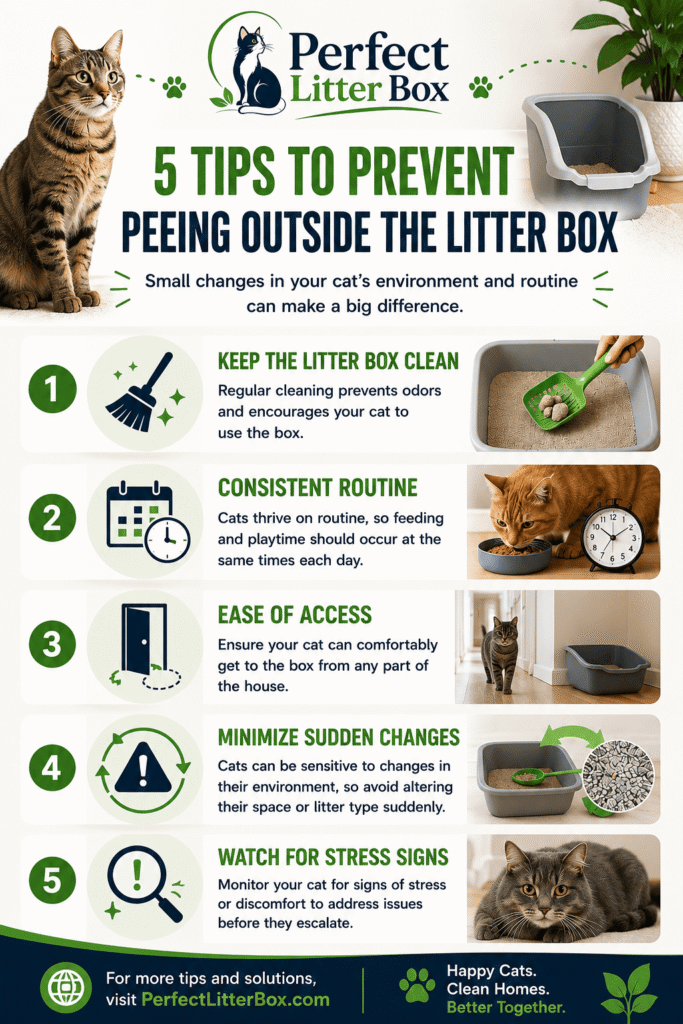
  • keep the litter box clean
  • stick to a consistent routine
  • avoid sudden changes when possible
  • make sure your cat always has easy access to the box
  • watch for early signs of discomfort or stress

Catching small changes early makes a big difference.

tips to prevent cat peeing outside the litter box infographic with litter box cleaning routine and stress signs

FAQ

Why is my cat peeing outside the litter box?

A sudden change usually points to a medical issue or a recent change in the environment.

Why is my cat peeing on my bed?

This is often linked to stress, comfort, or scent. Your bed smells like you, which can make your cat feel more secure.

Why is my cat peeing right next to the litter box?

This usually means something about the litter box setup is not working, such as size, cleanliness, or accessibility.

Should I punish my cat for peeing outside the box?

No. Punishment increases stress and usually makes the problem worse.

How long does it take to fix this problem?

It depends on the cause. Some cats improve within a few days once the issue is fixed, while others may take a few weeks.

Final Thoughts

Cats do not pee outside the litter box without a reason.

Once you figure out what is causing it, the solution becomes much clearer.

Start with health, then fix the litter box setup, and then look at stress and environment.

With the right adjustments, most cats go back to using the litter box consistently.

Perfect Litter Box
Logo