Best Cat Litter Deodorizer: What Works, What Doesn’t, and Why

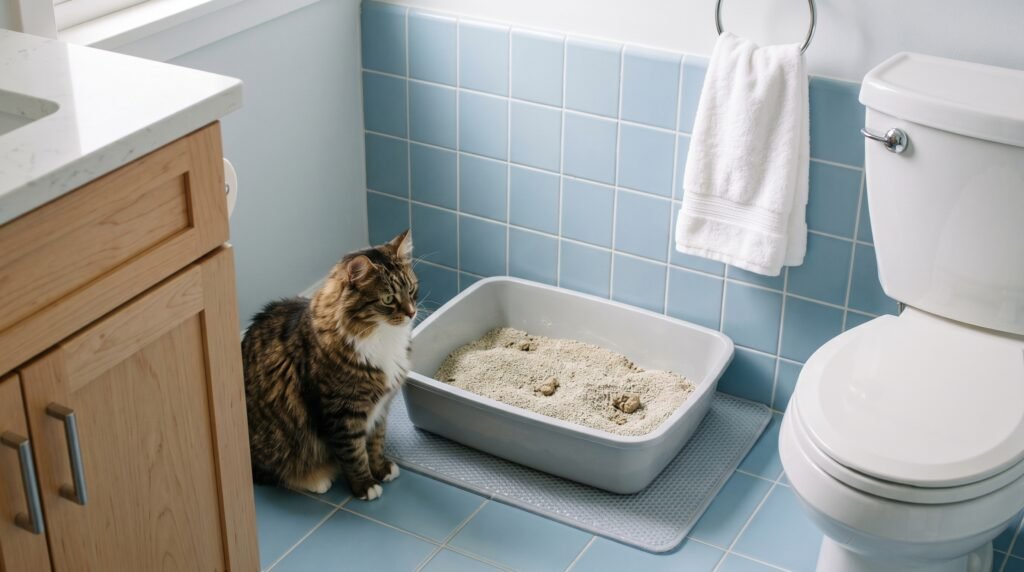
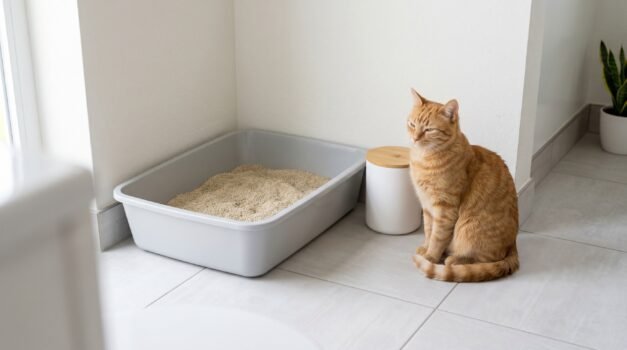
clean cat litter box with cat sitting nearby in bright bathroom

Disclaimer: This post may contain affiliate links. As an Amazon Associate, we earn from qualifying purchases.

Litter box odor can be frustrating, especially when it comes back right after you clean it. You scoop, replace the litter, maybe add a deodorizer, and the smell still lingers in the room.

Finding the best cat litter deodorizer sounds like the obvious solution, but not every product works the way you expect. Some reduce odor right away, while others barely make a difference or create new problems, such as dust, tracking, or strong artificial scents.

The difference usually comes down to what is causing the odor and whether the deodorizer matches your litter and setup.

This guide covers the best cat litter deodorizer options, how they work, and when they are actually worth using so you can fix the smell instead of just covering it up.

Quick Answer

Cat litter deodorizers help reduce smell by absorbing moisture, neutralizing ammonia, or breaking down waste, but they only work if they match your litter type and the actual cause of the odor.

Some products work well for strong urine smell, while others are better for keeping a clean box fresh longer. Using the wrong type often leads to more dust, tracking, or a scent that mixes with the litter instead of fixing the problem.

Why Litter Boxes Still Smell Even After Using Deodorizer

slightly used cat litter box with clumps in a clean bathroom

A litter box can look clean on the surface but still hold odor underneath.

A deodorizer can only do so much if the source of the smell is still there.

One of the most common issues is moisture sitting at the bottom of the litter box. Even if the top looks clean, urine can collect underneath and start to smell quickly. Adding deodorizer on top doesn’t reach that layer.

Ammonia buildup is another reason the smell keeps coming back. As urine breaks down, it releases a strong odor that basic powders can’t fully handle, especially in boxes that aren’t emptied often enough.

The litter itself also makes a difference. Some types hold onto moisture longer, which gives odor more time to build. In multi-cat setups, this gets worse because the box fills up faster than it can dry out.

There’s also the litter box itself. Plastic can start to hold odor over time, especially if it has small scratches. If the box smells even when it’s empty, a deodorizer won’t fix that.

And in some cases, the issue isn’t the litter box at all. Strong-smelling waste can come from diet or digestion, which no deodorizer can fully mask.

Types of Cat Litter Deodorizers

Not all cat litter deodorizers work the same way. Some absorb odor, some neutralize it, and others try to cover it up with scent.

Understanding the difference makes it much easier to choose the right one for your setup.

Baking Soda Based Deodorizers

These are the most common and usually the most affordable.

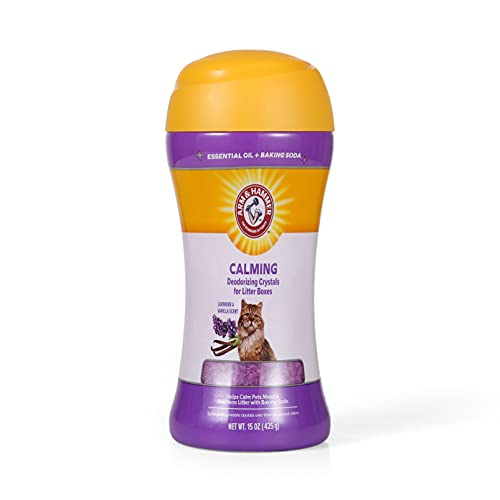
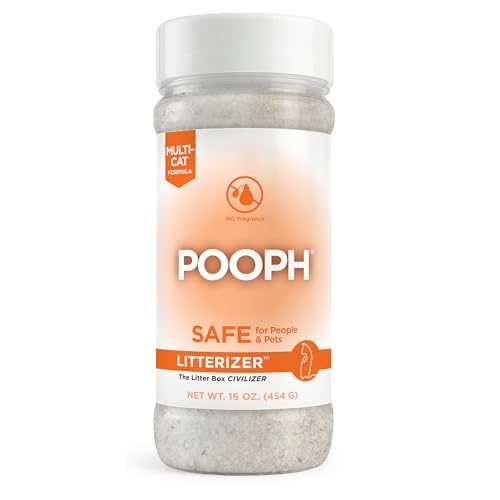
They help reduce odor by neutralizing acidic smells, especially from urine. They work well in standard clumping clay litter and are easy to sprinkle on top or mix in. A simple baking soda-based deodorizer like this one is a good example of how these products are typically used.

The downside is that they do not handle strong ammonia smell very well on their own. They can also create fine dust, which ends up on the floor or stuck to your cat’s paws.

Activated Charcoal or Carbon

Charcoal works by absorbing odor instead of masking it.

It is especially useful for stronger smells or enclosed spaces where odor builds up quickly. Compared to powders, it usually creates less dust and does not add any scent. If you want something low-scent and low-dust, a charcoal-based deodorizer like this is a good option to look at.

These deodorizers tend to work well across different litter types, including clay, tofu, and some pellet systems, as long as the pieces are not too fine.

Enzyme Based Deodorizers

Enzyme deodorizers break down the source of the smell instead of just controlling it.

They target the proteins in urine that cause lingering odor, which makes them useful for strong or repeated smells. These are often sprays rather than powders. A spray-style enzyme cleaner like this is usually used for deeper odor problems rather than daily use.

They are better suited for deep cleaning or ongoing odor issues, not just daily maintenance. Some also require a short drying time before the box is used again.

Scented Deodorizers

These are designed to cover up odor with fragrance.

They might make the litter box smell fresh at first, but the scent often mixes with waste and creates a stronger, less pleasant smell over time.

Strong fragrances can also make some cats avoid the litter box, especially in smaller spaces.

Unscented options are usually a safer choice if your goal is to reduce odor without changing how the litter box smells to your cat.

Why Your Deodorizer Isn’t Working

It’s easy to assume the product is the problem, but most of the time it comes down to how it’s being used or whether it matches your setup.

One common issue is using the wrong type for your litter. Fine powders can sink to the bottom in pellet systems and turn into a damp layer that smells worse over time. On the other hand, lightweight additives may not be strong enough for heavy clumping clay litter.

Using too much deodorizer can also backfire. A heavy layer creates dust, sticks to your cat’s paws, and gets tracked outside the box. It can also change the texture of the litter, which some cats don’t like.

Another problem is where the deodorizer is applied. Sprinkling it only on top doesn’t help if the odor is coming from underneath. Moisture and waste tend to settle at the bottom, and that’s where smell starts to build.

Litter depth plays a role too. If the layer is too shallow, urine reaches the bottom quickly and has nowhere to go. Deodorizer can’t fix that on its own.

In multi-cat setups, the issue is often volume. One box fills up faster than it can stay fresh, so even a good deodorizer gets overwhelmed.

There’s also the condition of the litter box itself. If the box already holds odor, adding deodorizer won’t solve the problem. You’ll notice this if the smell is still there even after everything has been emptied and cleaned.

When a deodorizer isn’t working, it usually points to a mismatch between the product, the litter, and how the box is being used.

Litter Compatibility Guide

The type of litter you use has a direct impact on how well a deodorizer works. Using the wrong combination can make odor worse instead of better.

which cat litter works best with deodorizer types clay pellets tofu crystal and multi cat setups

Clumping Clay Litter

This is the most forgiving setup and works with the widest range of deodorizers.

Baking soda based powders and charcoal additives both work well here. They mix evenly and help control moisture and odor without affecting how the litter clumps.

This setup works best with a high-quality clumping litter that forms solid clumps and keeps moisture from sitting at the bottom. A low-dust clay litter with tight clumping helps the deodorizer work more effectively instead of getting overwhelmed. You can see an example of that type of litter here.

Wood Pellet Litter

Pellet systems work very differently, and this is where a lot of people run into problems.

Fine powders should be avoided because they fall through the pellets, collect at the bottom, and turn into a damp layer that smells quickly. This defeats the purpose of a pellet system.

Pellet systems rely more on airflow and separation than additives. A well-designed pellet litter that breaks down cleanly and drains properly will control odor better than adding powders that interfere with the system. You can see an example of this type of pellet litter here.

Tofu or Corn Based Litter

These litters are lightweight and absorb moisture quickly, which changes how deodorizers interact with them.

Heavy powders can clump unevenly or create sticky patches. Lighter charcoal based options are usually a better fit because they sit on top without changing the texture too much.

This type of litter already does a good job controlling odor, especially when paired with a lightweight charcoal deodorizer. A fine, low-dust tofu litter that clumps quickly tends to work best in this setup. You can see an example of this type of litter here.

Crystal (Silica) Litter

Crystal litter is designed to absorb moisture and control odor on its own.

Adding extra deodorizer is often unnecessary and can interfere with how the crystals work. If additional odor control is needed, a small amount of charcoal placed near or around the box is usually more effective than mixing anything directly into the litter.

Multi Cat Setups

In homes with more than one cat, the issue is usually volume rather than litter type.

Even the right deodorizer will struggle if the box fills up too quickly. In this case, stronger odor absorbers like charcoal can help, but they work best when combined with enough litter boxes and regular cleaning.

Best Cat Litter Deodorizer Options

Not all deodorizers solve the same problem. Some are better for daily odor control, while others work better when the smell is stronger or harder to manage.

These options are based on how they actually perform in real setups, not just how they’re marketed.

Arm & Hammer Cat Litter Deodorizer Double Duty
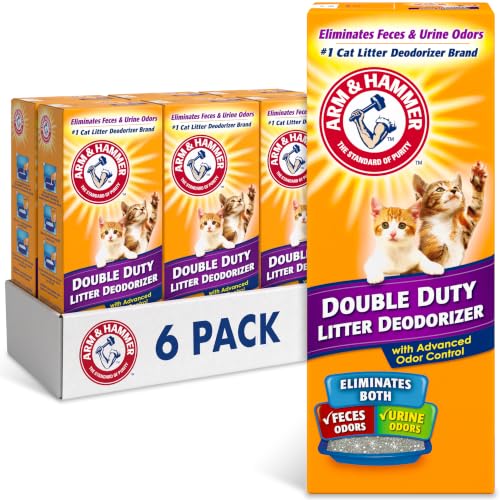
Arm and Hammer cat litter deodorizer powder box for odor control

What It Is

A baking soda based litter deodorizer designed for simple, everyday odor control. It mixes easily into most litters and is one of the most common options people start with.

Best For

Regular maintenance in a clean litter box. It helps keep odor under control between scooping and works well with standard clumping clay setups.

Limitations

It doesn’t handle strong ammonia smell very well on its own, especially in multi-cat setups. The added scent can also become noticeable if too much is used.

How to Use It

Sprinkle a light layer after scooping and mix it into the top layer of litter. A small amount works better than a heavy application.

View on Amazon

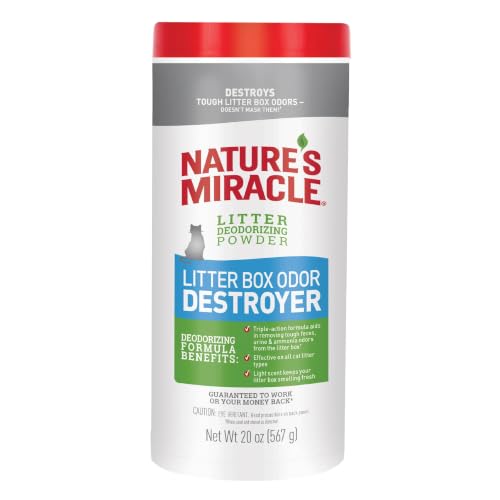
Nature’s Miracle Litter Box Odor Destroyer

Natures Miracle litter box odor destroyer powder for strong odor control

What It Is

A stronger deodorizing powder designed to handle heavier litter box odor, especially from urine. It’s made for situations where basic odor control is not enough.

Best For

Stronger smells that build up quickly, especially in multi-cat setups. It helps reduce odor between full litter changes and works well when the box gets used frequently.

Limitations

It still relies partly on scent, so it may not be ideal if you prefer a completely neutral setup. Using too much can also create dust or make the smell feel stronger instead of cleaner.

How to Use It

Sprinkle a moderate amount after scooping and mix it lightly into the litter. Consistent use works better than adding a large amount all at once.

View on Amazon

Fresh Step Charcoal Litter Box Odor Eliminator

Fresh Step charcoal cat litter deodorizer powder for odor absorption

What It Is

An activated charcoal based deodorizer powder that absorbs odor instead of covering it with fragrance. It’s designed to be added directly to existing litter for ongoing odor control.

Best For

Low-scent setups where you want to control odor without adding fragrance. It works well in smaller spaces or when strong scents become overwhelming.

Limitations

It’s not the strongest option for heavy, built-up odor on its own. In multi-cat setups or very dirty boxes, it works better as maintenance rather than a full solution.

How to Use It

Sprinkle a light, even layer after scooping. A small amount is usually enough since the charcoal spreads easily and works across the surface.

View on Amazon

Rocco & Roxie Litter Box Odor Eliminator
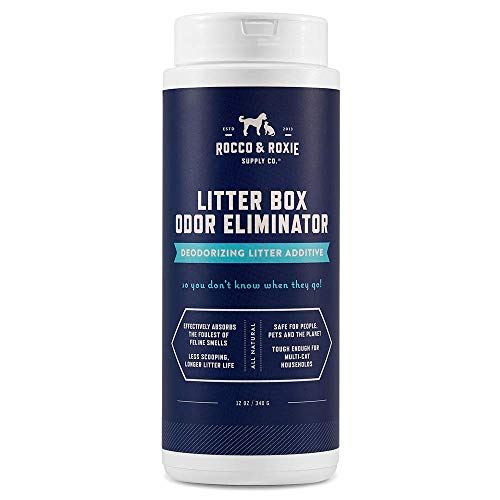
Rocco and Roxie cat litter deodorizer granules for low dust odor control

What It Is

A granule-based deodorizer made from corncob material instead of fine powder. It’s designed to absorb and neutralize odor while staying mixed into the litter without creating dust.

Best For

Setups where dust and tracking are a problem. The larger granules stay in place better than powder and are easier to manage, especially in automatic litter boxes or enclosed spaces.

Limitations

The scent can be strong at first, especially if too much is used. It works best with a light application rather than following the full recommended amount.

How to Use It

Sprinkle a small amount into the litter and mix it in. You can also add a bit to waste drawers or trash bags to control odor outside the box.

View on Amazon

Cat Litter Deodorizer Comparison

Type Best For Main Limitation
Baking Soda Powder Everyday odor control Not strong enough for heavy odor
Heavy-Duty Powder Multi-cat / strong smell Often scented
Charcoal Low-scent setups Less effective for heavy odor
Granules Low dust / cleaner setup Can have strong scent

How to Use Cat Litter Deodorizer Properly


Using a deodorizer correctly makes a bigger difference than the product itself. Small changes in how it’s applied can completely change how well it works.

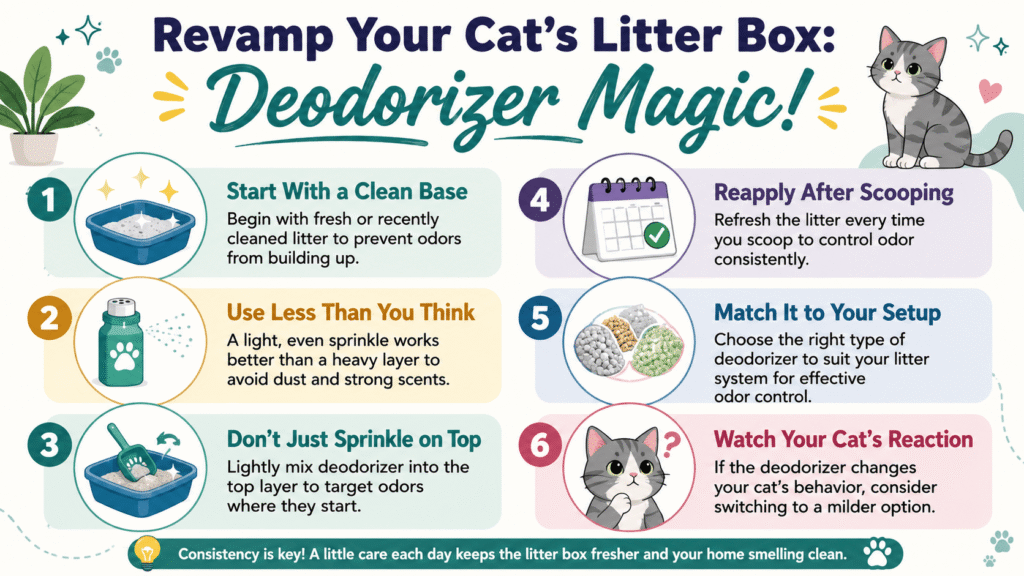
How to Use the Best Cat Litter Deodorizer for Odor Control

Start With a Clean Base

Deodorizer works best when the litter is already in decent condition.

If the litter is saturated or smells strong before you add anything, the deodorizer won’t fix the problem. It will just mix with the existing odor and make it worse.

Start with fresh or recently cleaned litter whenever possible.

Use Less Than You Think

It’s easy to assume more product means better results, but that usually backfires.

A heavy layer can create dust, stick to your cat’s paws, and make the scent too strong.

A light, even sprinkle works better and keeps the litter consistent.

Don’t Just Sprinkle on Top

Most odor doesn’t sit on the surface.

Urine and moisture settle lower in the litter, which is where smell starts to build. If deodorizer stays only on top, it won’t reach the source.

Lightly mixing it into the top layer helps it work more evenly.

Reapply After Scooping

Deodorizer works best as part of a routine, not a one-time fix.

After scooping, add a small amount to refresh the litter. This helps control odor before it builds up again instead of trying to fix it later.

Match It to Your Setup

Different litter setups need different approaches.

Powders work well in clumping clay but can create a mess in pellet systems. Granules stay in place better and are easier to manage in low-dust setups.

Using the right type makes the deodorizer more effective without changing how the litter works.

Watch Your Cat’s Reaction

If your cat starts avoiding the litter box, the deodorizer might be the reason.

Strong scents or changes in texture can make the box less appealing. If that happens, reduce the amount or switch to a lighter or unscented option.

When Cat Litter Deodorizers Won’t Fix the Problem

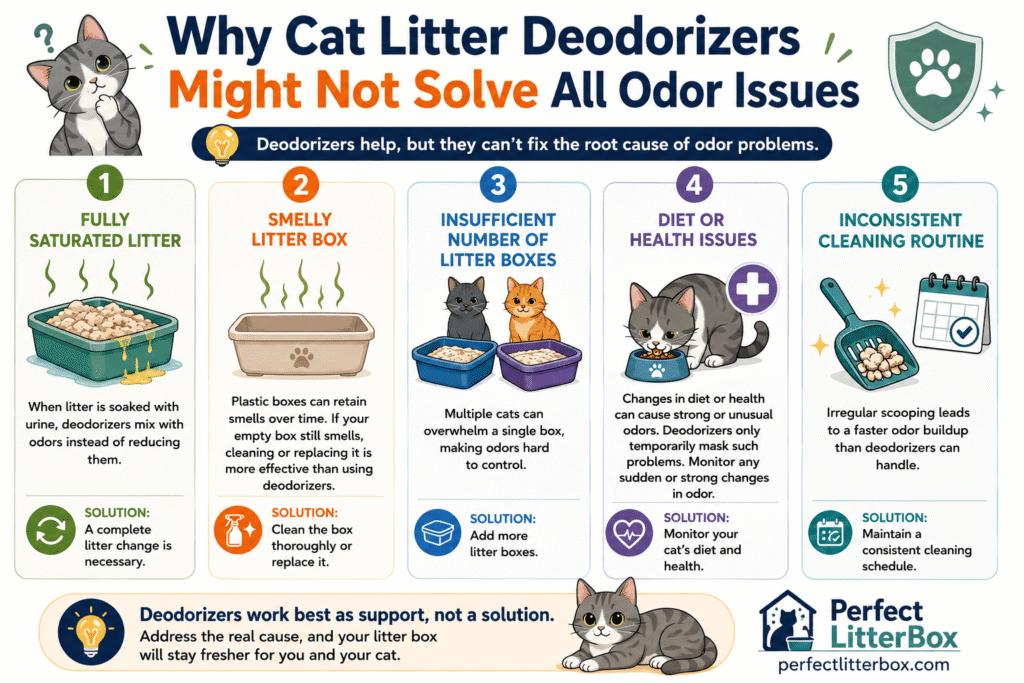
reasons cat litter deodorizer does not work and how to fix litter box odor problems

A deodorizer can help control smell, but it won’t fix every odor issue. If the source of the smell isn’t addressed, the problem will keep coming back no matter what you add.

When the Litter Is Already Saturated

Once litter is fully soaked with urine, odor control drops fast.

At that point, adding deodorizer just mixes with the smell instead of reducing it. You might notice a stronger or more unpleasant scent instead of improvement.

A full litter change is the only real fix in this situation.

When the Litter Box Itself Smells

Sometimes the odor isn’t coming from the litter at all.

Plastic litter boxes can start to hold smell over time, especially after months of use. If the box smells even when it’s empty, deodorizer won’t solve it.

Cleaning the box thoroughly or replacing it usually makes a bigger difference than adding more product.

When There Aren’t Enough Litter Boxes

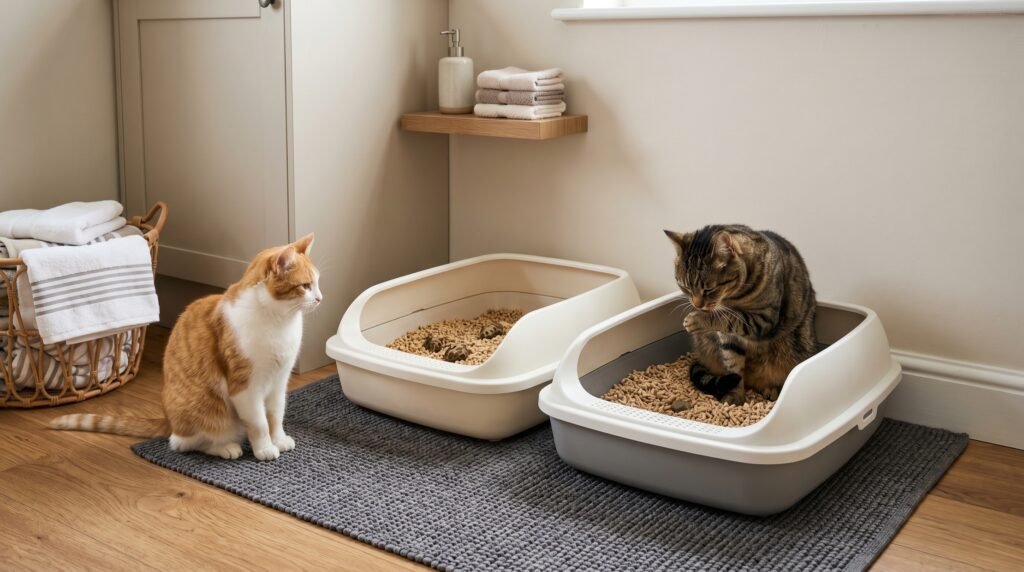
two cats using separate litter boxes in a clean multi cat setup

Using more than one litter box helps control odor in multi-cat homes.

In multi-cat setups, odor builds up faster than one box can handle.

Even a strong deodorizer gets overwhelmed if the box is used too often without enough time to dry out between uses.

Adding another litter box usually improves odor control more than switching products. If you’re not sure how many you actually need, this guide on how many litter boxes per cat and how to set them up breaks it down clearly.

When the Issue Is Diet or Health

Some smells come from what your cat is eating or how their body is processing it.

Strong or unusual odor can point to digestive issues or diet changes. In that case, deodorizer only masks the problem temporarily.

If the smell changes suddenly or becomes unusually strong, it’s worth paying attention instead of relying on additives.

When Cleaning Routine Is Inconsistent

Deodorizer works best as support, not a replacement for cleaning.

If scooping is irregular or the litter isn’t changed often enough, odor builds up faster than any product can control.

Keeping a simple routine usually makes a bigger difference than switching between different deodorizers. If you’re unsure what that routine should look like, this daily guide on how often you should scoop a litter box explains it clearly.

FAQ: Best Cat Litter Deodorizer

Do cat litter deodorizers actually work?

Cat litter deodorizers can reduce smell, but they don’t fix the source of the odor. They work best when the litter is clean and used as part of a regular scooping routine.

If the litter is already saturated or the box smells on its own, deodorizer won’t solve the problem.

What is the best cat litter deodorizer for odor control?

The best cat litter deodorizer depends on the situation.

Baking soda based powders work well for daily maintenance, charcoal options help absorb odor without adding scent, and stronger formulas are better for multi-cat setups or heavier smell.

Choosing the right type matters more than picking the most popular product.

Can you use baking soda as a cat litter deodorizer?

Yes, baking soda is commonly used to reduce litter box odor.

It helps neutralize smell and is safe when used in small amounts mixed into the litter. Many commercial deodorizers are built around baking soda for that reason.

How often should you add litter deodorizer?

It’s best to add a small amount after each scooping.

This helps control odor before it builds up instead of trying to fix it later. Using too much at once can create dust or make the scent too strong.

Why does my litter box still smell after using deodorizer?

This usually happens when the underlying issue isn’t addressed.

Common reasons include saturated litter, a dirty litter box, not enough boxes in multi-cat setups, or inconsistent cleaning. Deodorizer only works when those basics are already in place.

Final Thoughts

Finding the best cat litter deodorizer comes down to understanding what’s actually causing the smell.

Some products work well for everyday odor control, while others are better for stronger or more persistent issues. The key is matching the deodorizer to your litter, your setup, and how the box is being used.

In many cases, small changes like scooping more often, using the right type of litter, or adjusting your setup will make a bigger difference than switching products.

A deodorizer works best as part of that system, not as a shortcut.

Perfect Litter Box
Logo