Disclaimer: This post may contain affiliate links. As an Amazon Associate, we earn from qualifying purchases.
The best cat litter for odor control will not fix a litter box that already smells.
That is where most people get stuck. You switch litters, maybe even try a highly rated one, and it works for a short time. Then the smell comes back, sometimes even stronger than before.
The problem usually is not just the litter. Odor builds up from a mix of things like shallow litter, trapped residue in the box, poor airflow, or waste sitting longer than it seems. When those factors stack up, even a good litter starts to fail.
Most guides skip this and go straight into product lists. They tell you what to buy, but not why certain litters stop working after a few days or why some setups always smell no matter what you use.
This guide focuses on what actually makes a difference. You will see why litter box odor happens, how different litter types perform in real use, and how to choose the right one based on your setup so the smell does not keep coming back.
Quick Answer
The best cat litter for odor control depends on the type of smell you are dealing with and how your litter box is set up.
Clumping clay litter works best for quickly sealing waste and controlling smell right after use. Crystal litter handles urine odor longer by absorbing moisture, but it does less for uncovered waste. Natural litters like wood or paper help reduce odor in low-smell setups but can struggle in multi-cat homes or humid spaces.
If odor keeps coming back, the issue is usually not just the litter. Depth, cleaning routine, box condition, and airflow all affect how well any litter controls smell.
Choosing the right litter helps, but fixing those underlying factors is what actually keeps the odor from returning.
Why Litter Box Odor Happens

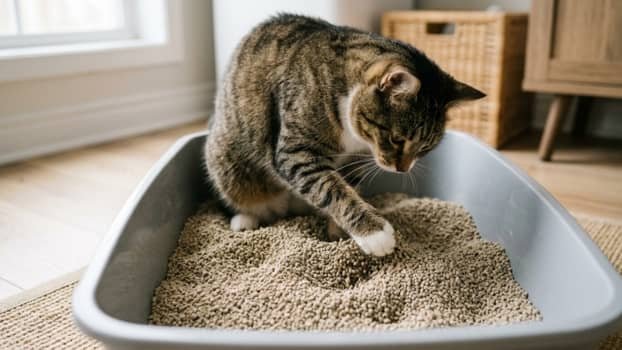
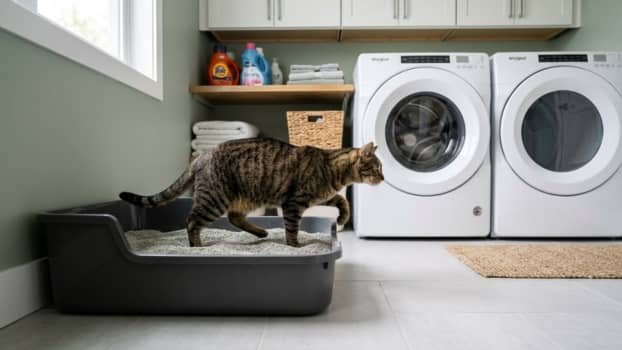
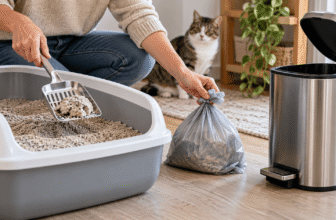
Cats need enough litter depth to properly cover waste and reduce odor.
Litter box odor does not build up all at once. It develops in layers, and once those layers start to stack, the smell becomes much harder to control.
The first part is urine. After a cat uses the box, bacteria begin breaking it down almost immediately. Within about a day, that process creates ammonia, which is the sharp, lingering smell most people notice. If the litter does not fully absorb or seal it, that odor starts spreading into the room.
The second part is waste that is not fully covered. Clumping litters can coat solid waste quickly, but if the litter is too shallow or the cat does not bury it well, the smell escapes right away. This is why some boxes smell within minutes even when the litter itself is considered “good.”
The third issue is buildup inside the box. When clumps stick to the bottom or get scraped off in pieces, a thin layer of residue is left behind. Over time, that layer holds odor even after you scoop and clean. This is also where older plastic boxes start to smell no matter what litter you use.
Airflow plays a bigger role than most people expect. A box tucked into a corner or enclosed space traps odor and lets it concentrate. In smaller rooms or humid areas, smells linger longer and become stronger, even if the litter is doing its job.
All of these factors combine. That is why switching litter sometimes helps for a few days but does not fix the problem long term. The odor is not coming from one source, and it cannot be solved by one change alone.
Features That Actually Control Odor
Not all litter controls odor in the same way. What matters is how it handles moisture, how quickly it traps waste, and whether it keeps working after a few days of use.
Fast Clumping
This is what prevents odor right after your cat uses the box.
Clumping litter forms a solid seal around urine and waste. When it works well, it locks moisture in before bacteria can spread and create stronger smells. This is why good clumping litter often smells fine on day one.
The problem shows up later if clumps break apart or sit too long. Once that seal weakens, odor starts leaking out.
Moisture Absorption
Odor gets worse when moisture stays in the box.
Some litters focus on pulling moisture out completely instead of sealing it. Crystal litter is a good example. It absorbs urine and dries it out, which slows down ammonia buildup.
This can keep urine smell under control longer, but it does not do much for solid waste unless it is buried.
Depth and Coverage
Litter needs enough depth to actually work.
When the layer is too shallow, urine hits the bottom of the box and creates hard buildup that is difficult to remove. That is where odor starts to linger even after cleaning.
Keeping around three inches of litter allows clumps to form properly and stay separated from the bottom surface.
Odor Neutralizing Additives
Some litters include materials that target odor directly.
Activated charcoal, baking soda, or natural enzymes can help reduce smell instead of just covering it. These work best when combined with good clumping or absorption, not as a replacement for it.
If the base litter is weak, additives will not fix the problem on their own.
Low Dust and Clean Surface
Dust and residue can hold onto odor.
When litter breaks down into fine particles, it spreads through the box and sticks to surfaces. This can trap smell in places that are harder to clean.
A cleaner, more stable litter keeps odor contained and makes the box easier to maintain over time.
A litter might be great at one thing but still struggle overall if another part is missing. That is why choosing based on your specific situation matters more than picking the highest rated option.
Best Cat Litter for Odor Based on Your Situation
| Situation | Best Litter Type | Why It Works |
|---|---|---|
| Strong urine smell | Crystal litter | Absorbs moisture and slows ammonia buildup |
| Smell right after use | Clumping clay (tight clumps) | Seals waste quickly before odor spreads |
| Small spaces | Low dust clumping litter | Controls odor without spreading particles in the air |
| Multi-cat homes | Multi-cat clumping litter | Handles constant waste buildup and frequent use |
| Lingering odor after cleaning | Not litter related | Usually caused by box material or surface buildup |
The best cat litter for odor control depends on what kind of smell you are dealing with and how your litter box is set up. A litter that works well in one home can fail quickly in another.
Here is how to match the right type of litter to your situation.
Strong Urine Smell That Comes Back Fast
If the smell is sharp and starts building within a day, that usually means ammonia is not being controlled.
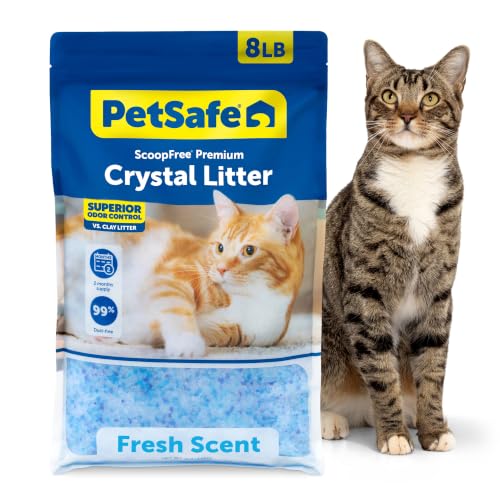
Crystal litter tends to work better here because it absorbs moisture and slows down ammonia buildup. Something like PetSafe ScoopFree Crystal Cat Litter is designed for this type of situation since it pulls moisture away instead of just clumping it.
Some high-quality clumping litters with carbon or baking soda can also help, but they need to be scooped consistently to stay effective.
If the smell returns quickly even after switching, check the litter depth and the condition of the box. Urine reaching the bottom will keep causing odor no matter what you use.
Litter Box Smells Right After Your Cat Uses It
This usually points to waste not being covered or sealed properly.
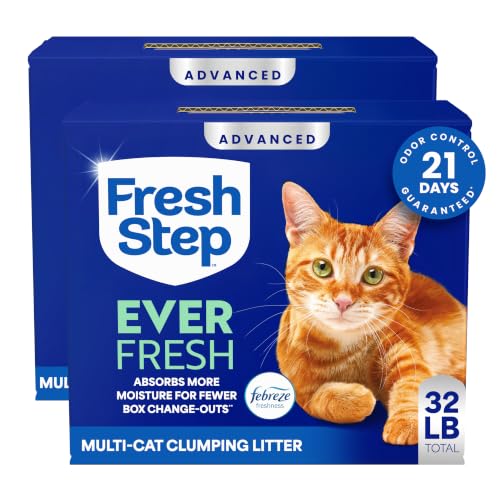
Clumping clay litter works best in this situation because it coats waste quickly and traps odor before it spreads. Heavier, finer clumping litters tend to perform better than lightweight ones. A good example is Fresh Step Advanced Simply Unscented Clumping Cat Litter, which forms tight clumps and helps stop odor right when your cat uses the box.
If this is a constant issue, adding more litter can make a noticeable difference. A deeper layer gives your cat enough material to properly cover waste.
Small Apartment or Poor Ventilation
In smaller spaces, odor builds up faster and lingers longer.
Fast clumping litter is usually the safest option because it controls smell immediately instead of relying on airflow. Low dust also helps keep the area cleaner and prevents odor from spreading through fine particles. A good example is ARM & HAMMER Clump & Seal SLIDE Platinum Multi-Cat Clumping Cat Litter, which is designed to seal and trap odor quickly, even in tighter spaces.
Covered boxes can make this worse if airflow is limited, so placement matters just as much as the litter itself.
Multi Cat Homes

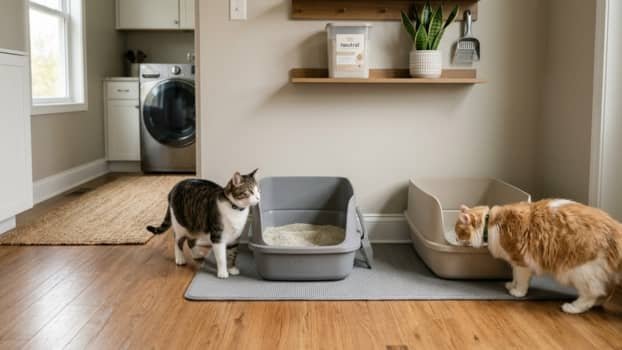
Using multiple litter boxes helps reduce odor buildup in homes with more than one cat.
Multiple cats increase odor much faster because waste builds up throughout the day.
Clumping litter with strong odor control is usually the most reliable choice here. It allows you to remove waste quickly and keep the box manageable between full cleanings. A good example is Fresh Step Advanced Clean Paws Multi Cat Clumping Cat Litter, which is designed to handle heavier use and control odor throughout the day.
Setup matters even more in this situation. Adding an extra litter box often reduces odor more than switching litter.
Ongoing Smell Even After Cleaning
If the box smells even after you fully clean it, the issue is usually not the litter.
Plastic litter boxes can start holding odor over time, especially once the surface wears down. Residue trapped in small scratches or worn areas keeps releasing smell even after washing. In this case, switching litter will not fix the problem.
This is where it makes sense to look at the box itself or your overall setup instead of focusing only on litter.
Best Cat Litter for Odor Control (Top Picks by Category)
Not all litter handles odor the same way. Some are better at stopping smell right away, while others work better over time or in heavier-use setups.
Here are a few options that stand out based on how they perform in real conditions.
Best for Strong Urine Odor: PetSafe ScoopFree Crystal Cat Litter
Crystal litter works differently from clumping litter. Instead of forming clumps, it absorbs urine and dries it out, which slows down ammonia before it spreads.
That is what makes it effective for strong urine smell. When moisture is removed quickly, the sharp odor does not build up the same way it does with traditional clay litter.
This type of litter can stay odor-neutral longer, especially in a single-cat setup. One bag can last much longer than regular clumping litter, since you are not removing urine clumps every day.
It also creates less mess around the box. The crystals are low dust and do not stick as easily to paws, so tracking is usually minimal.
There are a couple of trade-offs to keep in mind.
Crystal litter does not seal solid waste the same way clumping litter does. If your cat does not bury waste well, you may still notice odor right after use. It also costs more upfront, even though it tends to last longer.
Best for: strong urine smell, low-maintenance setups, single-cat homes
Best for Immediate Odor Control: Fresh Step Advanced Simply Unscented Multi Cat Clumping Cat Litter
When odor shows up right after your cat uses the box, fast clumping makes the biggest difference.
This type of litter forms tight clumps quickly, which helps seal waste before smell spreads into the room. That is especially important in smaller spaces or setups where odor becomes noticeable right away.
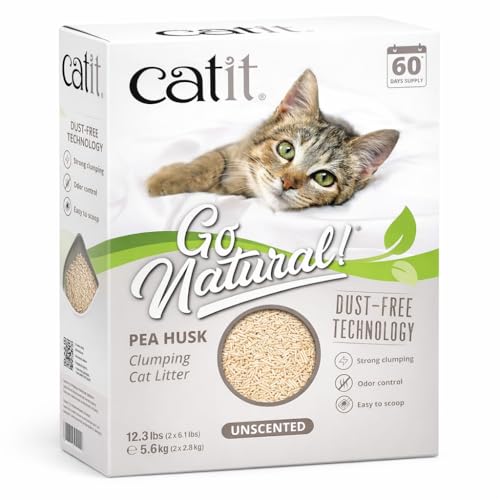
This formula uses activated charcoal and ammonia-blocking technology to neutralize odor on contact instead of covering it with fragrance. Since it is unscented, you do not get that mixed “clean scent plus litter box” smell that some litters create.
It also holds together well during scooping. Strong clumps mean less leftover residue in the box, which helps prevent odor from building up over time.
Dust levels are lower than many standard clay litters, although some fine particles can still show up when pouring or scooping.
Best for: immediate odor control, small spaces, daily-use litter boxes
Best for Small Spaces: Cat’s Pride Max Power: Total Odor Control Cat Litter
In smaller spaces, odor builds up faster and has nowhere to go. That makes consistency and clean air more important than heavy-duty formulas.
This litter works well in that kind of setup because it keeps things simple. It forms solid clumps for easy removal and helps control odor without overwhelming the space. The lighter formula also makes it easier to handle, which helps if you are cleaning the box more frequently in a smaller home.
Dust levels are low, so less fine debris spreads around the room. That makes a noticeable difference in tight areas where everything is close to the litter box.
It is not the strongest option for heavy odor situations, but it holds up well with regular scooping and works as a practical everyday choice.
Best for: small apartments, enclosed spaces, lighter daily use
Best for Multi-Cat Homes: Fresh Step Advanced Clean Paws Multi Cat Clumping Cat Litter
Multi-cat setups create constant odor pressure throughout the day. Waste builds up quickly, and the litter needs to keep working between scoops.
This formula is designed for that kind of use. It forms tight clumps that are easy to remove, which helps keep the box manageable even with frequent use. The combination of carbon, ammonia-blocking technology, and added odor control helps reduce both urine and feces smell as it builds up.
It also does a good job limiting tracking. The larger particles are less likely to stick to paws, so less litter ends up outside the box, which helps keep the surrounding area cleaner.
There are a couple of trade-offs to keep in mind. The added scent can feel strong in smaller spaces, and some clumps can stick to the bottom of the box if they sit too long.
Best for: multi-cat homes, heavy daily use, litter boxes that need consistent odor control
Practical Solutions That Actually Reduce Litter Box Odor
Even the best cat litter for odor control will struggle if the setup is working against it. Small adjustments can make a bigger difference than switching brands.
Fix Litter Depth First
If the litter layer is too shallow, urine reaches the bottom of the box and creates buildup that keeps smelling even after you scoop.
Keeping around three to four inches of litter gives clumps enough space to form properly. It also keeps waste from sticking to the base, which is one of the main sources of lingering odor.
Scoop Based on Timing, Not Routine

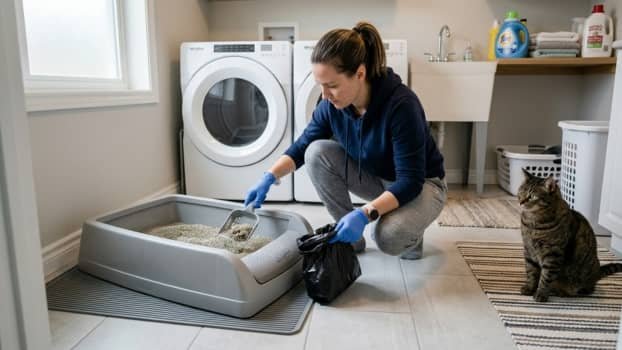
Removing waste daily helps stop odor from building up and keeps the litter box easier to manage.
Odor starts building within a day. Waiting longer allows ammonia to develop, which is what causes that strong, sharp smell.
Scooping at least once every 24 hours keeps things under control. In multi-cat setups, twice a day makes a noticeable difference because waste builds up faster.
Reset the Box Before It Starts Smelling
Topping off litter over and over eventually leads to a hidden layer of residue underneath.
Emptying the box completely and washing it removes that buildup before it turns into a constant odor source. This is especially important if clumps break apart or stick to the bottom.
If you want a step-by-step process, this is a good place to link to your guide on litter box cleaning.
Improve Airflow Around the Box

Placing a litter box in a more open area with airflow helps prevent odor from building up and lingering.
A litter box tucked into a corner or enclosed cabinet traps odor and lets it concentrate.
Even small changes help. Pulling the box slightly away from walls or placing it in a more open area can reduce how strong the smell feels in the room.
This also ties into litter box placement, which can make a bigger difference than expected.
Replace the Box When It Starts Holding Odor
If the box smells right after cleaning, the material is usually the problem.
Plastic can hold onto odor over time, especially once the surface wears down. At that point, no litter will fully fix the smell.
Switching to a new box or a different material can solve a problem that keeps coming back. A stainless steel option like iPrimio Stainless Steel Cat Litter Box is a good example, since it does not absorb odor the way plastic can.
Watch for Sudden Changes in Smell
If the odor suddenly gets stronger, something else may have changed.
Diet shifts can affect how strong waste smells. In some cases, it can also point to a health issue. When the smell changes quickly without any setup changes, it is worth paying attention.
Related Solutions That Help With Litter Box Odor
Even with the best cat litter for odor control, a few small additions can make the setup easier to manage day to day.
These are not replacements for good litter, but they help close the gaps where odor can still slip through.
Litter Box Deodorizers
Deodorizers can help extend how long your litter stays effective.
Some options go beyond simple powders. Products like Rocco & Roxie Litter Box Odor Eliminator use absorbent granules that pull in moisture and neutralize odor directly inside the litter. A small amount mixed in after cleaning or scooping can help keep the box smelling fresh between full changes.
These work best as a support tool, not a replacement for good litter. Adding too much can make the scent stronger than expected, so it is better to start with a light amount and adjust as needed.
Litter Mats
Tracking spreads odor outside the box.
Loose litter sticks to your cat’s paws and gets carried into the surrounding area. That is where a lot of the “room smell” comes from, even when the box itself is clean.
A large mat like Drymate Cat Litter Box Mat helps contain that mess before it spreads. The soft surface pulls litter off paws, while the absorbent layer holds onto moisture and prevents it from reaching the floor.
This type of mat also makes cleanup easier. You can vacuum it, shake litter back into the box, or wash it when needed. That helps keep the area around the box from slowly building up odor over time.
Air Purifiers
Odor does not just stay in the litter box. It spreads into the air and lingers in the room.
An air purifier helps by pulling in that air and filtering out particles and some of the odor before it builds up. A model like HEAPETS Pet Air Purifier for Home is designed for pet spaces, helping reduce airborne litter dust, dander, and lingering smell around the box.
This can make a noticeable difference in smaller rooms or apartments where airflow is limited. Instead of odor sitting in the air, it gets filtered out gradually throughout the day.
It is not a replacement for good litter or cleaning, but it helps keep the room from holding onto that constant “litter box smell.”
Enzymatic Cleaners
Odor does not always come from the litter itself. It often builds up on the floor, walls, or nearby surfaces over time.
Regular cleaners can leave that smell behind, especially if urine has soaked into porous materials. An enzymatic cleaner works differently by breaking down the source of the odor instead of just covering it.
A product like Hepper Advanced Bio-Enzyme Pet Stain & Odor Eliminator Spray is designed for this kind of problem. It helps remove lingering smells from surfaces around the litter box, including floors, carpets, and corners where odor tends to build up.
It is simple to use. Spray the area, let it sit, and allow the enzymes to do the work. This helps prevent odor from coming back after cleaning.
Frequently Asked Questions About Litter Box Odor
How do you get rid of litter box smell fast?
Scoop all waste, add fresh litter, and improve airflow around the box.
If the smell is still there, the issue is usually buildup in the box or surrounding area. Cleaning the box fully or using an enzymatic cleaner on nearby surfaces can remove odor that regular scooping misses.
What is the best cat litter for odor control?
The best cat litter for odor control depends on the type of smell you are dealing with.
Clumping clay works best for stopping odor right after use. Crystal litter is more effective for reducing strong urine smell over time. Multi-cat formulas help in setups where waste builds up quickly throughout the day.
Why does my litter box smell even after I clean it?
This usually means odor has built up outside the visible litter.
Urine can soak into the bottom of the box, into scratches in plastic, or into the floor around the box. In those cases, switching litter will not fix the problem. Cleaning the area thoroughly or replacing the box often solves it.
Are scented litters better for odor control?
Scented litters do not always solve the problem.
They can mask odor at first, but they often mix with waste and create a stronger overall smell. Unscented litters with good odor control tend to work better because they neutralize odor instead of covering it.
How often should you completely change cat litter?
Most setups need a full litter change every two to four weeks.
This depends on how many cats use the box and how well the litter holds up. If odor starts returning faster than usual, it is usually a sign that the base layer needs to be replaced sooner.
Final Thoughts
Finding the best cat litter for odor control is not just about picking the strongest product.
Different types of litter solve different problems. Some stop odor right after use, while others work better over time or in heavier-use setups. Choosing the right one depends on what kind of smell you are dealing with.
At the same time, litter alone is not enough.
Things like litter depth, how often you scoop, airflow, and even the condition of the box all play a role in how odor builds up. When those are off, even the best litter will struggle to keep up.
The goal is to treat odor as a system, not a single fix.
Use the right litter for your situation, keep the box clean, and add simple tools where needed. When everything works together, the difference is noticeable right away.