Disclaimer: This post may contain affiliate links. As an Amazon Associate, we earn from qualifying purchases.
Last updated on October 2, 2026
Clay cat litter is the most common litter for a reason: it clumps fast, scoops easily and its fine texture suits many cats. But it can also bring dust, tracking and odor that comes back faster than you’d expect.
This guide covers what clay litter is, its real pros and cons, how to contain the mess, and when an alternative makes more sense. If you specifically use bentonite and want to know how it behaves over weeks of use, see our guide on bentonite clay cat litter.
Clay cat litter works well for clumping and early odor control, but it can also cause dust, tracking and lingering smells depending on the formula and how it’s used.
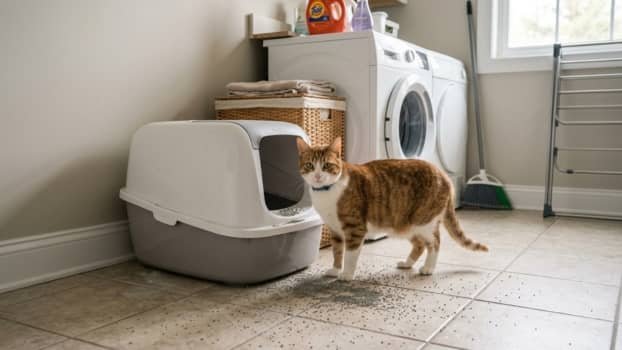
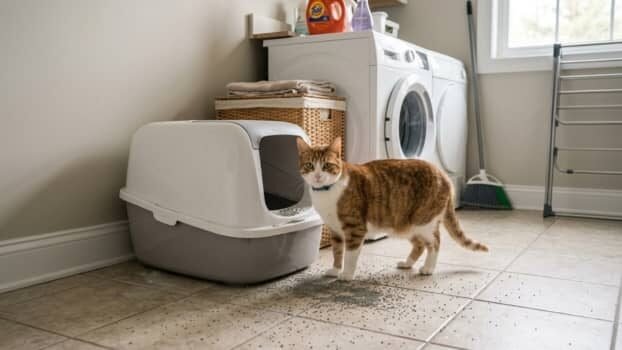
Clay cat litter often tracks outside the box, even in clean, well-maintained spaces.
Quick Picks
Best Low-Dust Clay: Dr. Elsey’s Ultra Unscented
Best Unscented Odor Control Clay: Fresh Step Simply Unscented Multi-Cat
Best Mat for Clay Tracking: UPSKY XL Litter Trapping Mat
Best Clay Alternative: World’s Best Multiple Cat Unscented
What Is Clay Cat Litter?
Clay cat litter is made from mined clay. Most clumping clay litter uses swelling bentonite, which absorbs moisture and binds together when wet, forming clumps you can scoop out. Non-clumping clay absorbs urine without forming scoopable clumps, so more of the soiled litter stays in the box until a full change.
Its fine, sand-like texture is similar to the soft, granular litter many cats prefer, but that fine texture can also contribute to dust and tracking.
Pros of Clay Cat Litter
Strong Clumping Makes Cleaning Easier
Clumping is the biggest advantage. Solid clumps form quickly and hold together, so you can remove waste without dumping the whole box. Scoop, top off and move on.
In multi-cat homes, strong clumping matters even more. Our guide to the best clumping cat litter for multiple cats covers which formulas hold up under constant use.
Good Odor Control at First
Fresh clay litter does a good job of locking in odor. The clumps trap urine before it spreads too far, which keeps the box manageable early on.
Many Cats Prefer It
AAHA notes that most adult cats prefer clumping litter, although individual preferences vary.
Easy to Find
Clay litter is sold almost everywhere, in plenty of formulas, so it’s easy to replace and easy to try different versions.
Cons of Clay Cat Litter
Dust Can Become a Problem
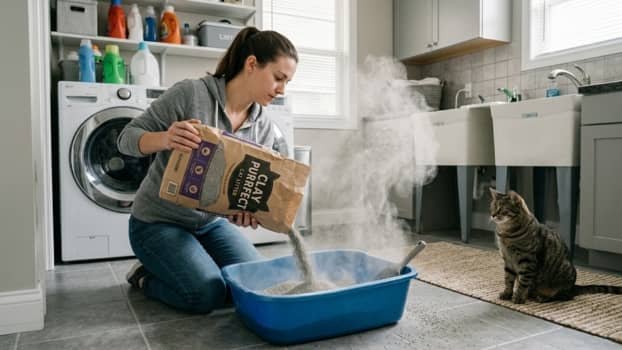
Pouring clay litter can release fine dust particles into the air.
The granules break down into fine particles as you pour, scoop and as your cat digs. Even low-dust formulas can release some fine particles, especially during pouring and digging, and it’s most noticeable in a small room.
Tracking Gets Everywhere
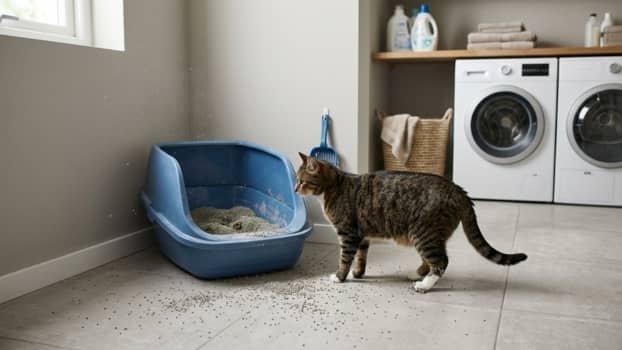
Clay litter sticks to paws easily and spreads outside the box.
The small grains cling to paws, so litter gets carried out of the box and into nearby rooms. If you’re constantly sweeping around the litter area, the litter itself is usually part of the problem.
Odor Builds Up Over Time
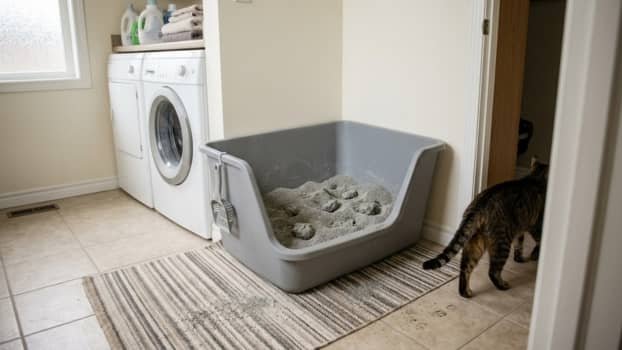
Even after scooping, buildup deeper in the litter can cause odor to return.
Broken or incomplete clumps can leave small amounts of soiled litter behind. Over time, that can contribute to lingering odor even when you’re scooping regularly. When odor remains after scooping, follow the litter’s directions for a full change.
Heavy and Harder to Handle
Clay litter is dense. Carrying large bags, refilling the box and disposing of used litter can feel like a chore, especially with larger boxes or several boxes.
Not Biodegradable
Clay litter is mined, commonly bentonite in clumping formulas. Unlike many wood, paper and plant-based litters, it isn’t biodegradable, so used clay litter normally goes in the household trash. Bentonite is generally extracted by open-pit mining, which is one of the main reasons some people look at alternatives.
What Makes a Better Clay Litter
Low Dust and Unscented
Look for a low-dust, unscented formula. Low-dust litters are designed to reduce the fine particles released during pouring and scooping, while unscented formulas avoid adding fragrance to the box. Most cats prefer unscented litter, and some may avoid strongly scented boxes.
Dr. Elsey’s Ultra Unscented is designed to reduce airborne particles while still forming firm clumps.

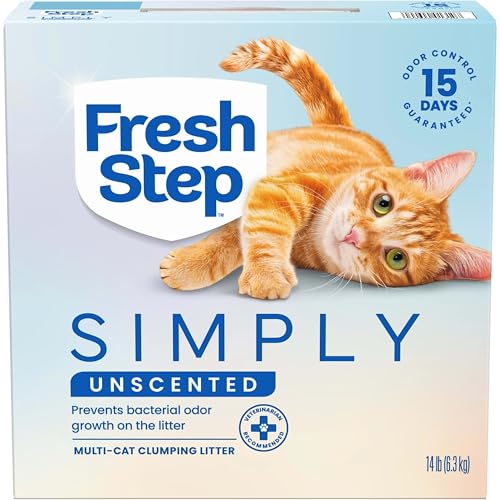
For odor without fragrance, Fresh Step Simply Unscented Multi-Cat is an unscented clumping clay with activated charcoal. It helps trap odor without relying on added fragrance.
Granule Size and Firm Clumps
Larger or slightly heavier granules tend to track less than very fine, sand-like litter. Firm clumps that don’t break apart during scooping also leave less residue behind, which slows odor buildup.
How to Contain Clay Litter
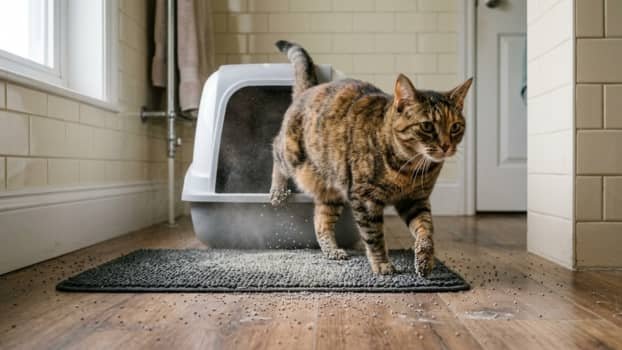
Fine clay litter sticks to paws and gets carried across the floor.
Put a large mat at the exit. A litter-trapping mat like the UPSKY XL Litter Trapping Mat catches loose particles as your cat steps out, instead of letting them spread across the floor.

Use a box with higher sides. A shallow box makes it easy for litter to spill over when your cat digs. A setup like the WoofiGo stainless steel high sided litter box puts a stainless pan inside tall walls, with an open top. The taller sides help keep litter from being kicked out, and the stainless steel pan is less likely than scratched plastic to retain lingering odor.

Pour slowly and keep a steady depth. Pouring slowly cuts the dust cloud, and keeping the litter at the depth recommended on the bag can help keep urine from reaching the bottom and forming stuck clumps. For more fixes, see our litter tracking solutions and litter box odor solutions.
Alternatives to Clay Cat Litter
Natural Clumping Litter
Corn, wheat, walnut and tofu litters offer plant-based alternatives to clay, and many are available in clumping formulas. Dust, tracking and odor control vary considerably by product.
World’s Best Cat Litter (Multiple Cat Unscented) uses compressed corn to form quick clumps without added fragrance, which makes it easier to switch from clay without changing your routine. See our World’s Best Cat Litter review and our walnut cat litter guide for more.

Crystal Litter
Crystal litter uses silica gel to absorb moisture instead of clumping. Many formulas are marketed for low dust and tracking, but performance varies by product. The texture is different, and some cats adjust slowly or not at all.
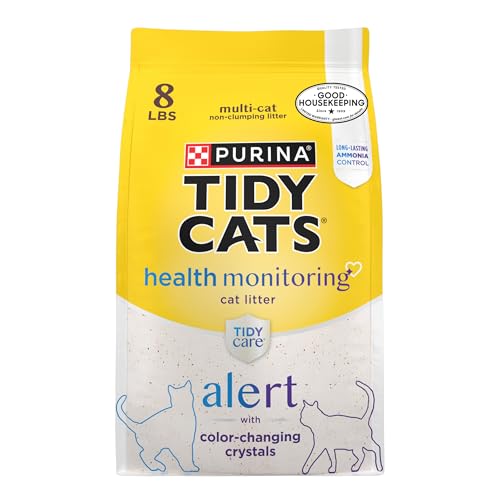
Purina Tidy Cats Tidy Care Alert crystals change color with urine pH. It’s not a diagnostic tool, so any color concern goes to your vet. Our color changing cat litter guide explains how to read it.
Pellet Litter
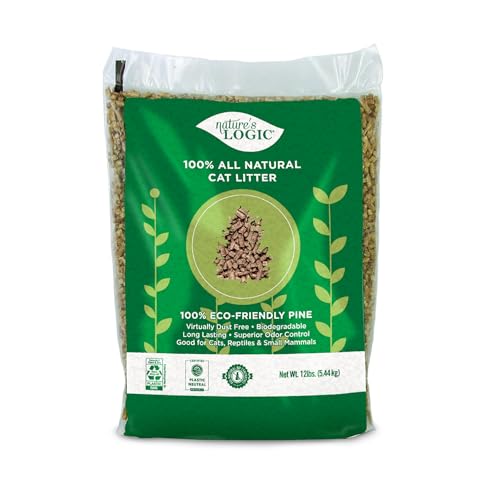
Wood and paper pellets are much larger than fine clay granules, so they can be useful when tracking is the main complaint. Dust varies by product, and they don’t clump the same way: wood pellets break down into sawdust, and paper pellets soften, so the cleaning routine is different.
If tracking and dust are your main concerns, Nature’s Logic Pine Pellets are worth considering.
FAQ
Is clay litter bad for cats?
Clay litter isn’t automatically bad for cats. AAHA notes that most adult cats prefer clumping litter. Its practical downsides are dust, tracking and weight. For kittens, AAHA suggests starting with unscented clumping litter, the litter they used before, or both, so ask your vet if you’re unsure which fits your cat.
Why does clay litter smell even after scooping?
Odor usually comes from moisture left in the lower layers. Even when clumps are removed, small amounts of waste can stay behind and start to break down.
How often should you change clay cat litter completely?
Scoop daily, and follow the replacement directions on your litter’s packaging for full changes. Change it sooner if odor remains after scooping or the litter stops clumping properly.
Is clumping or non-clumping clay litter better?
Clumping litter is easier to maintain because waste can be removed daily. Non-clumping litter absorbs moisture, but it usually needs more frequent full changes.
Does clay litter cause more tracking than other types?
Fine-grain clay can track more than larger litter such as pellets, because the small particles are easier to carry out on paws. Tracking varies by formula and by cat.